What are the harms of fruit flies? Analysis of the main harmful effects
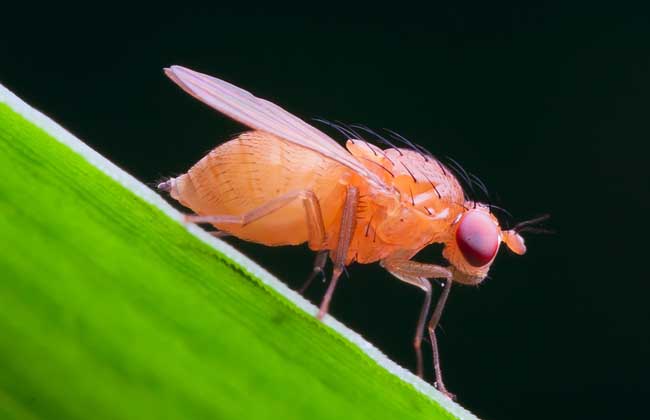
Fruit flies are widely found in temperate and tropical climate zones around the world. Because their main food is yeast, and rotting fruit easily breeds yeast, they can be seen in human habitats such as orchards and vegetable markets. Let's take a look below at what the harms of fruit flies are!
Are fruit flies harmful to humans?
Fruit flies are harmless to the human body. The eggs and larvae of fruit flies are actually harmless to the human body; they are just psychologically difficult to accept. Unlike the common housefly we usually see, fruit flies parasitize in plant fruits and only move around on fruit, so they are relatively clean and basically do not produce pathogens.
What are the harms of fruit flies
1. Harm to vegetables and fruits: The Mediterranean fruit fly is the most harmful fruit fly. It originated in the tropical regions of Africa and is now distributed in more than 80 countries and regions around the world. It can harm 250 species of plants, such as citrus, apples, pears and other fruits and solanaceous vegetables. It is called the “number one killer of fruit” and is recognized worldwide as the most destructive pest.
2. Terrifying reproductive capacity: What is even more frightening is that one female Mediterranean fruit fly can reproduce up to 21.5 billion individuals after three generations, in only 60 days.
Control methods for fruit flies
1. Agricultural control
① Eliminate infested fruit: During the harvest period of fruits such as pomegranate, loquat, peach and jujube, promptly remove fallen fruit in the field and pick off rotten fruit and infested fruit, and bury and destroy them in a centralized manner, so as to kill the larvae in the infested fruit and reduce the number of the next generation.
② Fruit bagging: During the young fruit stage of fruits such as pomegranate, loquat and peach, bag the fruit promptly before fruit flies lay eggs, which can effectively prevent harm caused by adult flies laying eggs.
③ Use insect-proof nets: For jujube grown in greenhouses, 60-mesh insect-proof nets can be used to prevent adult flies from entering the greenhouse to lay eggs, effectively preventing harm.
2. Chemical control
① During the fruit expansion period to the harvest period, hang fruit fly attractant (methyl eugenol) over a large area to trap and kill adult flies and reduce egg laying. Hang the traps on the tree canopy about 1.5 m above the ground, with 4-5 bottles per mu, arranged in a plum blossom pattern.
② During the peak occurrence period of adult flies, pomegranate from August to October, loquat from November to May of the following year, and peach from the end of April to mid-July, apply insecticide 1-2 times per month, that is, use cypermethrin insecticide at 3000 times dilution to control adult flies.
③ A 50% trichlorfon 1000 times dilution + 30% brown sugar solution can be sprayed on the tree canopy to trap and kill adult flies. Spray once every 5-6 days, for 3-4 consecutive sprays, which can eliminate more than 90% of adult flies. The best time to spray is at 9 a.m.