What kind of environment do termites like to live in?
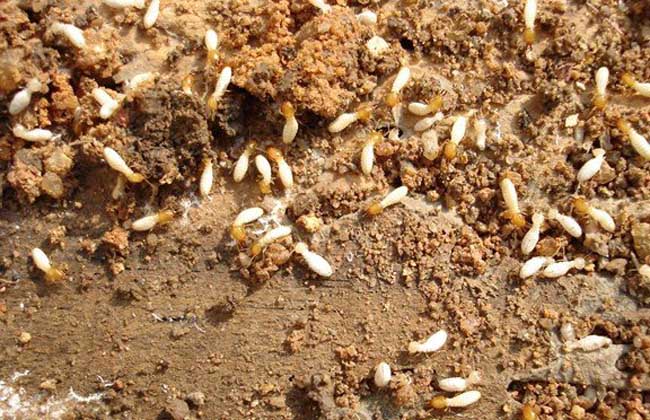
Termites are insects of the order Isoptera, and there are many species. In China, more than 480 known species of termites belonging to four families and forty-seven genera have been recorded, and the losses caused by their damage are astonishing. Their living environment is mainly related to temperature, humidity, air, light and soil. Let us take a look together below!
Temperature
Termites are warmth-loving insects, and air temperature is the main factor affecting their distribution. Therefore, termites are distributed on both sides of the equator. The closer to the equator, the more species of termites there are, the greater their density, and the more complex their lifestyles.
Humidity
Termites need a dedicated supply of water to maintain the water and humidity needs of the colony. The water content of the termite body is about 79%, and the average water content of the nest is 33%. There are dedicated water-collecting lines leading to the source (water-collecting termite trails), through which they ensure the water needs of themselves and the nest. In order to obtain the water needed by their colony, black-winged subterranean termites living on dams must have termite trails leading to water sources. On dams, the places relatively close to water sources are the reservoir water on the upstream slope, and the free water of the infiltration line and the inverted filter body inside the dam. Therefore, dam termites all build termite trails to these places rich in water to collect water.
Air
Termites are colonial organisms living in a semi-closed nest system, forming a world of their own within the dark nest system. Some people jokingly call them “residents of the darkness.” This nest system must interact with the outside world and obtain oxygen from the air in various ways, while discharging the carbon dioxide produced by colony respiration outside the nest. The characteristic of the nest system is that the carbon dioxide content is especially high, dozens to hundreds of times higher than the carbon dioxide content of air.
Light
Termites live hidden in their nests for long periods, and most individuals are photophobic. However, the dispersal and development of the colony cannot be separated from a light environment. When winged adults fly away from the colony, they all have phototactic habits. All winged adults have well-developed ocelli and compound eyes and, like many other insects, have a strong positive response to light——phototaxis. When winged adults fly away from the old colony and establish a new colony, light is an indispensable and important condition.
Soil
Except for wood-dwelling termites, which have no direct relationship with soil at all, soil-and-wood-dwelling termites and soil-dwelling termites are both extremely closely related to soil. Soil-dwelling termites in particular cannot build nests without soil and cannot survive once separated from soil. Soil-dwelling termites are strict in their selection of soil, which is the main component of the nests and termite trails of soil-and-wood-dwelling termites.