What are the methods for termite control? A share of practical ant-eradication tips
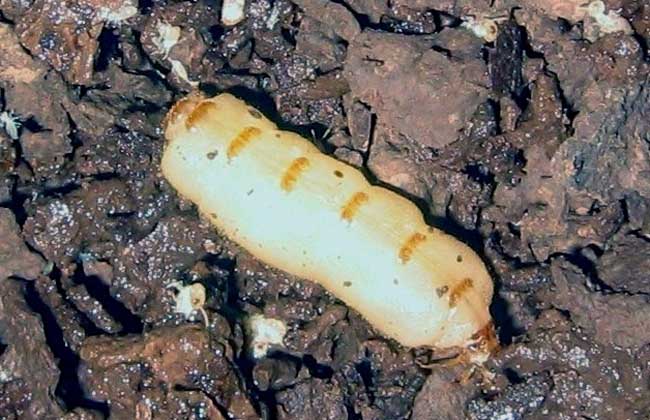
Termites live in social colonies similar to ants. Although more than 90% of termite species pose no harm to humans, some termites are still highly destructive. If you find termites at home, be sure to call in professionals to eliminate them. Let's take a look at the methods of termite control below!
Termite living habits
Termites are social insects composed of various castes. In the more advanced termites, a pair of dealate (wing-shedding) female and male reproductive termites governs the life of the colony. The female is called the queen (mother ant), and she usually lives together with the male in a specially built “royal palace”. The “royal palace” is generally located in a secluded part of the nest, with small holes above and below for workers and soldiers to pass through. The queen stays deep inside the palace, devoted solely to laying eggs. In more primitive termite nests, there are often multiple queens of varying sizes, which may be individuals that reproduced to replace the original queen after she was lost or died. When the queen lays eggs, workers often stand guard beside her, continuously moving the eggs into the egg chamber for protection. Reproductive termites in the nest can swarm and fly off in groups during a specific period of the year. The swarming period varies with termite species and environmental conditions, generally occurring during the rainy season or around sudden rainstorms.
Main harms caused by termites
1. Harm to crops: Termites are not yet important pests for crops in China, but they are fairly serious for the cash crop sugarcane. The main species include Taiwan subterranean termite (Coptotermes formosanus), Macrotermes barneyi, Odontotermes formosanus, Odontotermes hainanensis, and Coptotermes formosanus.
2. Harm to trees: There are many termite species that harm trees, mainly including Neotermes, Cryptotermes, Coptotermes, Kalotermes, Reticulitermes, Nasutitermes, Odontotermes, Macrotermes, and Mastotermes.
3. Destruction of houses and buildings: Termite damage to houses and buildings is especially severe in brick-and-wood and wood-frame structures. Because they hide inside the wood structure and damage or destroy its load-bearing points, they often cause buildings to suddenly collapse, which has drawn great public concern. In China, the termite genera that harm buildings mainly include Coptotermes, Reticulitermes, and Cryptotermes. Among them, species of the genus Coptotermes are the most destructive to buildings, characterized by strong spreading ability, large colonies, and rapid destruction, capable of causing huge losses in a short time.
4. Harm to river embankments and dams: The seriousness of termite damage to river embankments was already recorded in fair detail in ancient Chinese literature, and modern records are even more detailed. The species involved belong to the genera Odontotermes, Macrotermes, and Coptotermes. They build dense nests inside embankments and reproduce rapidly, scattered all over like stars in the sky (except Coptotermes). Their galleries extend in all directions, and some even penetrate the inner and outer slopes of the embankment. When water levels rise during flood season, pipe leaks and dangerous situations often occur, and in more severe cases, they lead to embankment collapse and dam failure.
Methods of termite control
1. Ecological control: Ecological control is a type of control method in which, before the start of construction of buildings and water conservancy projects, during construction, and over the long period after completion and delivery for use, as well as throughout a series of planting industry activities, various necessary measures are taken or activities carried out according to the requirements of termite control to create an environment unfavorable for termite breeding, so that buildings, earth embankments and dams, and agricultural and forestry crops are protected from termite damage.
2. Biological control: Biological control is based on interspecies competition existing in nature and the relationship between termites and fungi, using termites' natural enemies to control termites and using fungal indicators to locate nests.
3. Physical control: Physical control is a method of controlling termites using manual labor, equipment, and physical energies such as light, heat, electricity, sound, and waves. It mainly includes nest excavation, trapping and killing (light trapping of winged adults, bait trapping), heat killing, and building sand particle barriers to prevent termites from crossing.
4. Chemical control: Chemical control is the use of various toxic chemical substances——insecticides——through certain methods to directly contact termite bodies, or to treat their habitats, breeding sites, and the objects they damage, so that termites die from poisoning by contact with or ingestion of the insecticide, or develop repellence and thus cannot invade and cause damage. Its characteristics are quick effect, high efficiency, simple application methods, and little limitation by region.