Is honey an alkaline food or an acidic food?
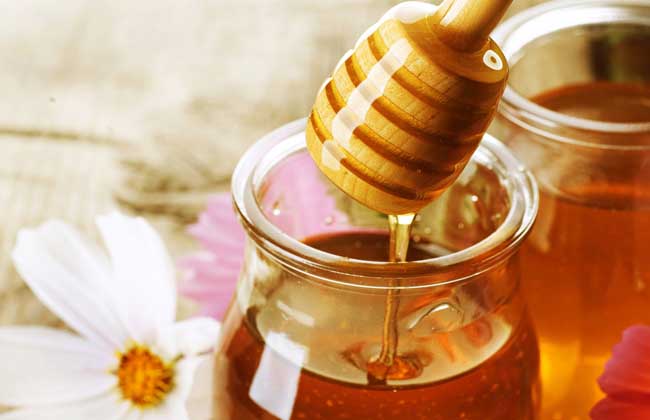
Honey is not only an alkaline natural tonic, but also an alkaline natural nutrient, very suitable for human absorption. Generally speaking, the pH value in the human body is weakly alkaline, so you can take in more alkaline foods in daily life to increase the body's resistance. Let's take a look together below!
Is honey alkaline or acidic
Honey is an alkaline food. Although honey itself is weakly acidic, analysis of honey's nutritional components shows that it contains quite high levels of alkaline minerals. So it is not that a food with a sour taste is an acidic food. The acidity or alkalinity of a food has nothing to do with its own pH value. A food that tastes sour is not necessarily an acidic food. It is mainly defined by whether, after digestion, absorption and metabolism, the food finally turns into acidic or alkaline substances in the human body. Those that produce acidic substances are called acidic foods, such as animal organs, muscle, plant seeds, etc.; those that produce alkaline substances are called alkaline foods, such as vegetables, melons and beans, tea, etc.
What honey should not be eaten with
1. Honey should not be eaten with tofu: Tofu tastes sweet and salty, is cold in nature, and can clear heat and dissipate blood stasis. Eating it with honey can easily cause diarrhea. At the same time, the various enzymes in honey and the various minerals, plant proteins, organic acids, etc. in tofu are not conducive to the body's biochemical reactions when the two are eaten together.
2. Honey should not be eaten with scallions: When the organic acids and enzymes in honey meet the sulfur-containing amino acids in scallions, harmful biochemical reactions will occur, or toxic substances will be produced, irritating the gastrointestinal tract and causing diarrhea.
3. Honey should not be eaten with Chinese chives: Chinese chives are rich in vitamin C and are easily oxidized and rendered ineffective by copper, iron and other ions in honey. In addition, honey can promote bowel movements, while Chinese chives are rich in cellulose and cause laxative effects, so they can easily cause diarrhea.
4. Honey should not be eaten with soy milk: Soy milk has a higher protein content than milk, while honey mainly contains about 75% glucose and fructose, and also contains a small amount of organic acids. When the two are mixed, the organic acids combine with protein to produce denatured precipitation, which cannot be absorbed by the human body.
What are the benefits of drinking honey
1. Skin care and beauty: Applying fresh honey to the skin can provide moisturizing and nourishing effects, making the skin delicate, smooth and elastic. Dilute honey with 2-3 times the amount of water and apply it to the face every day. You can also make a facial mask with oatmeal, egg white and honey and apply it to the face. When using it, massage the face for 10 minutes so that the nutrients in honey penetrate into the skin cells.
2. Restoring fatigue, especially after staying up late: Among all natural foods, honey has the highest content of the energy needed by brain neurons. The fructose and glucose in honey can be quickly absorbed and used by the body, improving the nutritional status of the blood. You can drink a cup of honey water at noon.
3. Promoting digestion: Research has proved that honey has a regulatory effect on gastrointestinal function and can make gastric acid secretion normal. Animal experiments have confirmed that honey can enhance intestinal peristalsis and significantly shorten defecation time. Honey has good effects on colitis and habitual constipation, and has no side effects. Honey can make stomach pain and stomach burning sensation disappear, and increase red blood cell and hemoglobin values. People with gastric and duodenal ulcers who often take honey also experience auxiliary effects.
4. Improving immunity: The various enzymes and minerals contained in honey, after synergistic action, can improve human immunity. Experimental research has proved that feeding honey to mice can improve the immune function of mice. Honey is commonly used abroad to treat colds and pharyngitis. The method is to add 2 spoons of honey and 1/4 spoon of fresh lemon juice to a cup of water, and take 3-4 cups every day.
5. Promoting longevity: Scholars from the former Soviet Union once surveyed more than 200 elderly people over 100 years old, among whom 143 were beekeepers, confirming that their longevity was related to regularly eating honey. The mechanism by which honey promotes longevity is relatively complex. It is a comprehensive regulation of the human body, rather than simply acting on a certain organ.
6. Improving sleep: Honey can relieve nervous tension, promote sleep, and has a certain pain-relieving effect. The glucose, vitamins, magnesium, phosphorus, calcium, etc. in honey can regulate the nervous system and promote sleep. People with neurasthenia can improve sleep by taking one spoon of honey before going to bed every night. Apple honey collected from apple blossoms has a relatively prominent sedative function.
7. Liver-protecting effect: Honey's protective effect on the liver can provide energy preparation for the liver's metabolic activities, stimulate liver tissue regeneration, and play a role in repairing damage. People with chronic hepatitis and poor liver function can often eat honey to improve liver function.
8. Anti-fatigue: The fructose and glucose in honey can be quickly absorbed and used, improving the nutritional status of the blood. When the human body is tired, taking honey can significantly eliminate fatigue symptoms in 15 minutes. Mental workers and people who stay up late can drink honey water to make themselves energetic. Athletes can take honey 15 minutes before competition to help improve physical performance.
9. Promoting children's growth and development: Compared with young children given sugar, young children given honey showed faster increases in body weight, height, chest circumference and subcutaneous fat, glossier skin, and fewer cases of dysentery, bronchitis, conjunctivitis, stomatitis and other diseases. Children who are frail and often ill, or who have a poor constitution, can eat more honey. Preschool children with rickets can take 30-50 grams of honey two or three times a day, which can improve rickets symptoms. Children with colds can drink a cup of honey water twice a day to help promote recovery from the cold. Children with poor sleep can drink a cup of warm honey water 30 minutes before going to bed, and they can fall asleep peacefully soon after getting into bed. Infants within one year of age are not suitable for taking honey.