Grow Lucky Bamboo This Way and Its Leaves Will Never Turn Yellow, Staying Green All Year Round
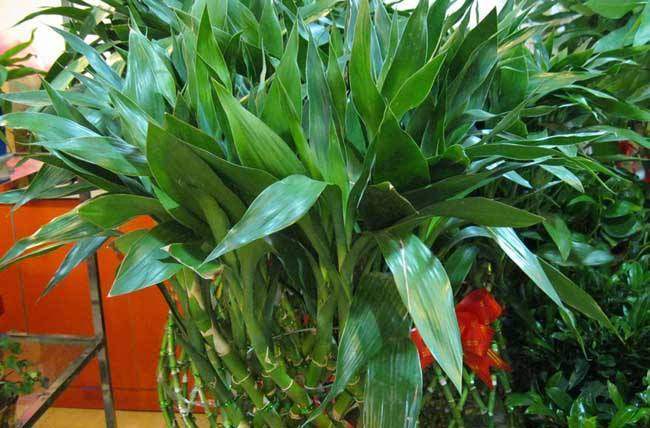
Lucky Bamboo is a very easy-care indoor plant. Many people like Lucky Bamboo not only because it carries excellent symbolism - wealth and prosperity, peace and safety, the ten-thousand-year bamboo, the fortune-bringing bamboo - but also because its stems and leaves are slender and its overall appearance is very attractive. Many people and many families keep them. Keeping a pot at home adds a touch of decoration to home life, and its air-purifying ability is also super strong, making it especially attractive. But once you start growing it, you will find the leaves turning more and more yellow. What is going on?
Growing Lucky Bamboo at home not only beautifies the environment but also helps purify the air. If the growing method is not right, the branches and leaves easily turn yellow. Next, the editor will talk about the techniques for growing Lucky Bamboo at home.
Temperature: Lucky Bamboo has fairly strong vitality, and its most suitable growing temperature is in the range of 20 to 28. Light must never be too strong; partial shade is best. In winter, it can grow safely when the temperature is not lower than 8 degrees; if it is the height of summer, the temperature had best not exceed 33 degrees. Too high or too low a temperature will both affect the growth of Lucky Bamboo.
Light: Judging from the growing habits of Lucky Bamboo, it is a shade-loving green plant. It needs sunlight but cannot take overly strong light. So if you keep Lucky Bamboo at home, just place it in a cool, ventilated spot. A cool indoor environment can promote rapid growth of Lucky Bamboo.
Nutrient solution: After rooting, you need to use some nutrient solution, or compound fertilizer, generally once every three to four weeks. You can also add some brandy, which can help the plant's leaves become greener. But the amount should not be too much. Growing Lucky Bamboo is not like growing vegetables, where adding more nutrient solution makes it grow more luxuriantly; that is wrong. Too much nutrient solution will cause root rot, and Lucky Bamboo cannot absorb it. Use nutrient solution for growing it. Fertilize according to the growth condition of Lucky Bamboo. Extra fertilizing should not be too frequent; fertilizing once every 2-3 months is enough.
Water quality: Lucky Bamboo is mostly grown in bottles, and for water-grown plants, water quality is very important. Do not use water taken straight from the tap, as it contains too much chlorine. Tap water needs to sit for two or three days or be exposed to strong sunlight before use. You can also use purified water directly. The water quality for growing Lucky Bamboo is very important. You can also let tap water at home sit for 24 hours before use, which can prevent the chlorine in the water from affecting root growth.
Changing the water: During the period of rooting, the water should be changed more often, about once a week. To encourage rooting, you can also use charcoal or a few rusty iron nails. After about two weeks, the roots can grow out. At this time, reduce the frequency of watering. Change it about once every three weeks, because the plant prefers to adapt to the current water. Changing the water too often easily makes the leaves turn yellow and, in severe cases, can even make them wither. However, between water changes, you need to top up with a small amount of water from time to time.
Grow Lucky Bamboo this way, and its leaves will never turn yellow again, staying green all year round - even the neighbors will be envious when they see it! That is all for this sharing. I hope it helps friends who love growing flowers. If you have better suggestions, you are welcome to leave a comment below.