Lucky bamboo not growing roots? Do these 8 things to grow big white roots
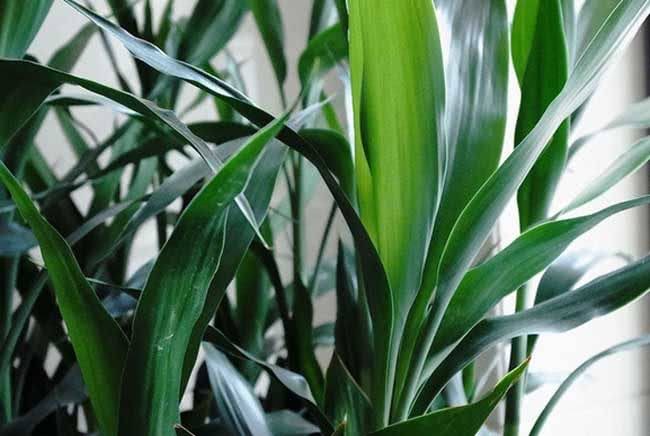
When it comes to lucky bamboo, surely everyone knows it, right? As a popular indoor potted plant, lucky bamboo not only has lush green leaves but is also a plant with very good symbolism. Many people and many families like to grow it. Hearing flower friends ask why lucky bamboo does not grow roots, I say do these 8 key points and big white roots will keep growing nonstop! Growing roots will no longer be a problem. Below I will introduce the eight key points to note for lucky bamboo to grow roots.
1. Watering
The yellowing caused by insufficient watering of lucky bamboo is completely different from the yellowing caused by lack of water. Yellowing from water shortage mainly shows as the leaf tips or edges drying up, but new leaves grow normally. At this time you only need to water directly, but be careful to water thoroughly. Watering too little will not work; with little water, the leaves naturally cannot become plump, and moreover a large part is lost to evaporation, so the plant simply does not have that much water for the lucky bamboo to absorb. But too much water is also not good. Watering too much will cause the roots of the lucky bamboo to rot. Roots are where nutrients are absorbed. If part of them rots, then the nutrients will certainly not be sufficient.
2. Treatment before inserting
First cut off some leaves to reduce transpiration as much as possible, so the plant can adapt to the environment faster and the survival rate will be higher. In addition, cut a slanted opening at its base. This increases the contact surface with the water.
3. Changing the water
During this period of root growth, the frequency of changing the water should be higher, about once every three to four days. To prevent rot, charcoal etc. can also be used. After about two weeks, the roots can grow out. At this time, reduce the frequency of watering. Change it about once every two weeks, because the plant rather likes stale water. Changing the water too often easily makes the leaves turn yellow, and in serious cases they will even wither. However, between two water changes, a small amount of water needs to be added from time to time.
Lucky bamboo needs frequent water changes so the water quality stays cleaner. At this time do not add nutrient solution. Generally in about half a month many white roots will grow.
4. The temperature is best within the range of 20 to 28. Light must not be too strong; half shade is best.
5. If the tips of the lucky bamboo leaves begin to appear dry brown, the leaf surface is thick but lacks luster, and the leaves turn scorched yellow and fall off, then it indicates too much fertilizer. At this time stop fertilizing, then change to clean water.
6. The main reason lucky bamboo leaves turn yellow is a lack of iron. You can put a few rusty iron nails in the vase to supplement iron, and it has a remarkable effect~
7. Radiation also affects plant growth. It is recommended to keep lucky bamboo away from some household appliances.
8. Every month it is appropriate to add a bit of monopotassium phosphate; you cannot use only water, otherwise the leaves cannot keep up with nutrition and will turn dry and yellow!
To sum up, before planting, cut off the leaves at the base of the cuttings, cut the base into a slanted opening, and the cut should be smooth to facilitate the absorption of water and nutrients. Change the clean water once every 3 to 4 days. Within 10 days do not move the position or change the direction. In about 15 days silvery white fibrous roots can grow.
Why does lucky bamboo not grow roots? Do these 8 key points and big white roots will keep growing nonstop! That is all for sharing. I hope it helps friends who love growing flowers. If you have better suggestions, you are welcome to leave a comment below.