What to do about yellow leaves on hydroponic lucky bamboo? One trick makes white roots shoot up and leaves stay green all year round
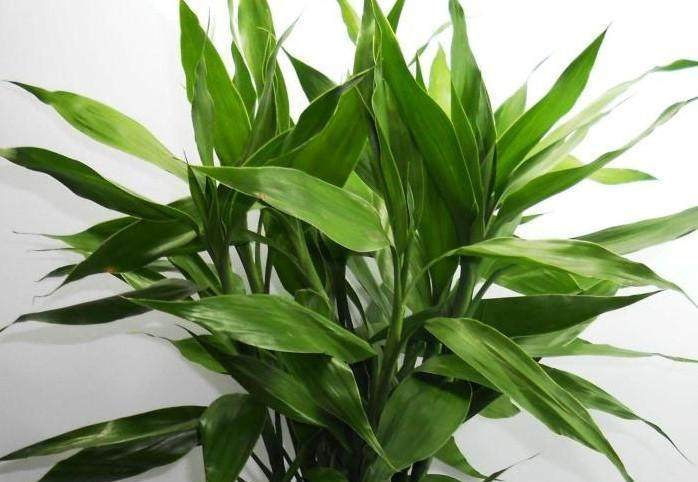
Lucky bamboo is a common foliage plant. Its stems are elegant, and its leaves are emerald green and glossy, full of bamboo charm. Lucky bamboo, which brings a feeling of coolness, has now become a must-have ornamental plant in many people's homes. Especially in the scorching summer, placing a pot at home will definitely catch your eye. With the meaning of "flowers bloom for wealth and honor, bamboo brings peace", it is deeply loved by flower lovers.
Lucky bamboo is usually grown hydroponically, which is why many people are very fond of lucky bamboo. But hydroponic lucky bamboo is relatively prone to yellow leaves, so what should we do? Today, the editor will introduce some tips on caring for lucky bamboo, so that its roots become white and plentiful and its leaves shine green.
In summer, as temperatures rise, the hydroponic liquid evaporates in large amounts, and both the water volume and the oxygen content in it decline noticeably. If water is not replenished in time, it is very likely to cause lucky bamboo to take in insufficient water, ultimately leading to yellow, wilted leaves and bent, non-upright stems. As for how to deal with it, it is also relatively simple: just add a certain amount of mineral water. Of course, doing so inevitably wastes some, and in fact we can also use tap water, but before adding it to the vase, it is best to let it sit in the sun for a whole day to remove chlorine and other chemical components in it. For hydroponic lucky bamboo, before it has grown roots, change the water frequently, keeping it to once every 2-3 days. Usually you can spray some water on the leaves to increase humidity and avoid yellow leaf tips caused by lack of water. After about half a month, roots will grow, so do not change the water frequently anymore; just replenish water in time.
Lucky bamboo likes a semi-shaded environment. You can place it in a spot with plenty of scattered light. In summer, sunlight is strong, so avoid direct sunlight, which can easily cause yellowing and scorched leaves. Solve the "yellow leaves" problem. When hydroponic lucky bamboo shows yellow leaves, part of the reason may be related to root infection, which we will discuss later. Apart from that, sunlight exposure and lack of water can both cause yellow leaves. In summer, sunlight is strong, and without proper shading measures, it is very likely to cause direct sunlight to hit the leaf surface, making originally emerald green leaves scorched and burnt yellow. Be careful not to place lucky bamboo where it is blown by a TV, air conditioner, or electric fan, to avoid dry, yellow leaf tips and leaf surfaces.
The problem of yellow leaves is relatively easy to handle, but root rot in hydroponic lucky bamboo is a bit harder to deal with. Usually, the root rot we know about in hydroponic lucky bamboo is mostly caused by deteriorating water quality infecting the roots. If you find that your lucky bamboo's roots are slightly rotting and accompanied by some yellowing and wilting leaves, what you most need to do at this time is cut off the infected parts, including the already damaged roots and leaves. It is best to disinfect the scissors used for cutting roots with alcohol first.
As for the water in the bottle, if the contamination is not serious, it does not need to be replaced. A little trick is that we can put a piece of charcoal in it, using charcoal's adsorption capacity to absorb impurities in the water, thereby improving water quality. The editor has tried this method personally, and the effect is pretty good; it is relatively simple and convenient.
However, if the degree of infection is relatively serious, then in addition to cutting off the infected parts as described above, you also need to thoroughly clean the container used to grow the lucky bamboo. Soak the wounded parts of the lucky bamboo in a carbendazim solution for about 30 minutes, then take it out and drain off the water. Clean the bottle itself with alcohol, potassium permanganate, etc., and finally add clean water.
Add a little aspirin solution to lucky bamboo
Hydroponic lucky bamboo always growing poorly makes many flower lovers feel a bit disappointed. At the same time, yellow leaves and root rot also appear from time to time. Here I tell everyone that the small aspirin tablets at home come in handy. They can not only play a sterilizing role, but also effectively inhibit bacteria and promote root growth.
Lucky bamboo
Usage and dosage
1. First prepare two aspirin tablets, preferably crushed into powder. Dilute with water 1000 times, then stir evenly to make an aspirin solution.
2. Add an appropriate amount of the prepared aspirin solution, about 10 drops, into the hydroponic bottle, once every two days, and wait patiently and observe. In about one month, the lucky bamboo will grow sturdy roots.
What to do about yellow leaves on hydroponic lucky bamboo? Grow it this way, white roots burst out, and leaves stay green all year round. That is all for sharing. I hope it helps friends who love growing flowers. If you have better suggestions, you are welcome to leave a comment below.