What Is Taiwan's New Agriculture Movement? A Complete Guide
Taiwan's New Agriculture Movement

The world's population is rapidly increasing, extreme climates are forming, and the agricultural environment is becoming ever more severe---huge business opportunities for soil-based plant factories
The world population will reach 7 billion in 2012 and is estimated to reach 9 billion by 2050. The available usable land on Earth is only 7.529 billion hectares, and its quality is still continuously degrading. Desertification alone swallows 2.5 million hectares of dry farmland and 125,000 hectares of paddy fields every year. With the rapid population increase, good farmland is being occupied by construction at twice the rate of population growth. It is estimated that by 2025, the global per capita arable land area will drop from the current 0.37 hectares to 0.17 hectares, and in Asia it will fall to 0.09 hectares, and it is currently still decreasing at a rate of about 20 million hectares per year.
Oxfam UK warns that within the next 20 years, the average price of staple foods for humanity will more than double, which will bring an unprecedented regression to human development. Oxfam states that human society is heading toward an era of permanent food crisis, which will also be accompanied by political turmoil. Improvement of the international food system is urgently needed. A research report published on June 1 predicts that before 2030, international prices of staple foods such as corn may rise by 180%, with half of this price increase stemming from the impact of climate change.
In 2007, parts of Inner Mongolia, Liaoning, Jilin, Heilongjiang, Jiangxi, Hunan and other provinces and regions in China experienced historically rare severe droughts, with the maximum affected area reaching 254 million mu, severely affecting corn and soybean production in the Northeast region and rice production in the Jiangnan region.
In the second half of 2010, major grain-exporting countries including Australia, Argentina, Thailand, Brazil, and India…… suffered massive floods due to La Niña climate, further aggravating difficulties in food supply. Combined with the drought and forest fires in Russia in the first half of the year that caused wheat output to drop by a quarter, and several Eastern European "breadbaskets" suspending exports due to poor harvests, prices of wheat, corn, and soybeans all hit new highs.
In 2011, the UN Food and Agriculture Organization (FAO), the World Bank and others warned one after another that global food reserves had fallen to a historic low of only fifty days, and worse still, the outlook remained bearish. Under the harsh food supply environment, countries have adopted overt or covert measures to increase grain sources, and international organizations have held consecutive food security conferences, hoping to ease the severe food supply situation.
In 2013, severe floods struck Northeast China, Hulunbuir in Inner Mongolia, Guangdong, Guangxi, and Sichuan. Droughts occurred in the Soviet Union and Russia, Australia, and 80% of the contiguous United States. The drought caused losses to major crops, and the US corn harvest hit a new low since 1995. In July, corn, wheat and soybeans all rose together: corn and wheat rose 25%, and soybeans rose 17%.
In November 2013, scientists for the first time pointed out in unusually severe wording that climate change may seriously endanger global food supply in the coming decades, and that global warming will cause agricultural production to decline by 2% per decade before the end of this century, while food prices will rise due to increased food demand.
This year, the UN Intergovernmental Panel on Climate Change (IPCC) released a report in Berlin, Germany on April 13, stating that countries around the world are moving too slowly to stop global warming, and only by stepping up action within the next 15 years can catastrophic climate change be avoided.
It must be emphasized that Taiwan's agricultural policy seems completely oblivious to a climate environment this severe, and to date there have been no effective response measures. Where is Taiwan's agricultural strategic direction? For the next 30 to 50 years, where is the agricultural policy that can ensure Taiwan's long-term stability and security? Is a free trade zone a miracle cure, or a new agriculture movement that can transform Taiwan, such as the movement to build Taiwan into an organic island? Perhaps this is what we must establish as soon as possible now, because time is not on our side.
Dr. Zhou Jiaoyuanhui, technical consultant of Wei Jing International Co., Ltd. and assistant professor at Hsing Wu University of Science and Technology, said: Wei Jing Company recently proposed a new type of technology-based agricultural model, using soil-based plant factories to set up silver-haired urban farms in idle urban spaces. There is currently a plan with Liugong Junior High School in Xinyi District, Taipei City to set up an urban farm, preparing to use idle school classrooms to establish a silver-haired urban farm. Suburban farmland is becoming scarcer and scarcer, and in the future silver-haired people can enjoy the same vegetable-growing pleasure as suburban citizen farms right next to their homes. This idea will be presented at the 2014 Cross-Strait Health and Leisure Agriculture Summit Forum on September 13 this year.
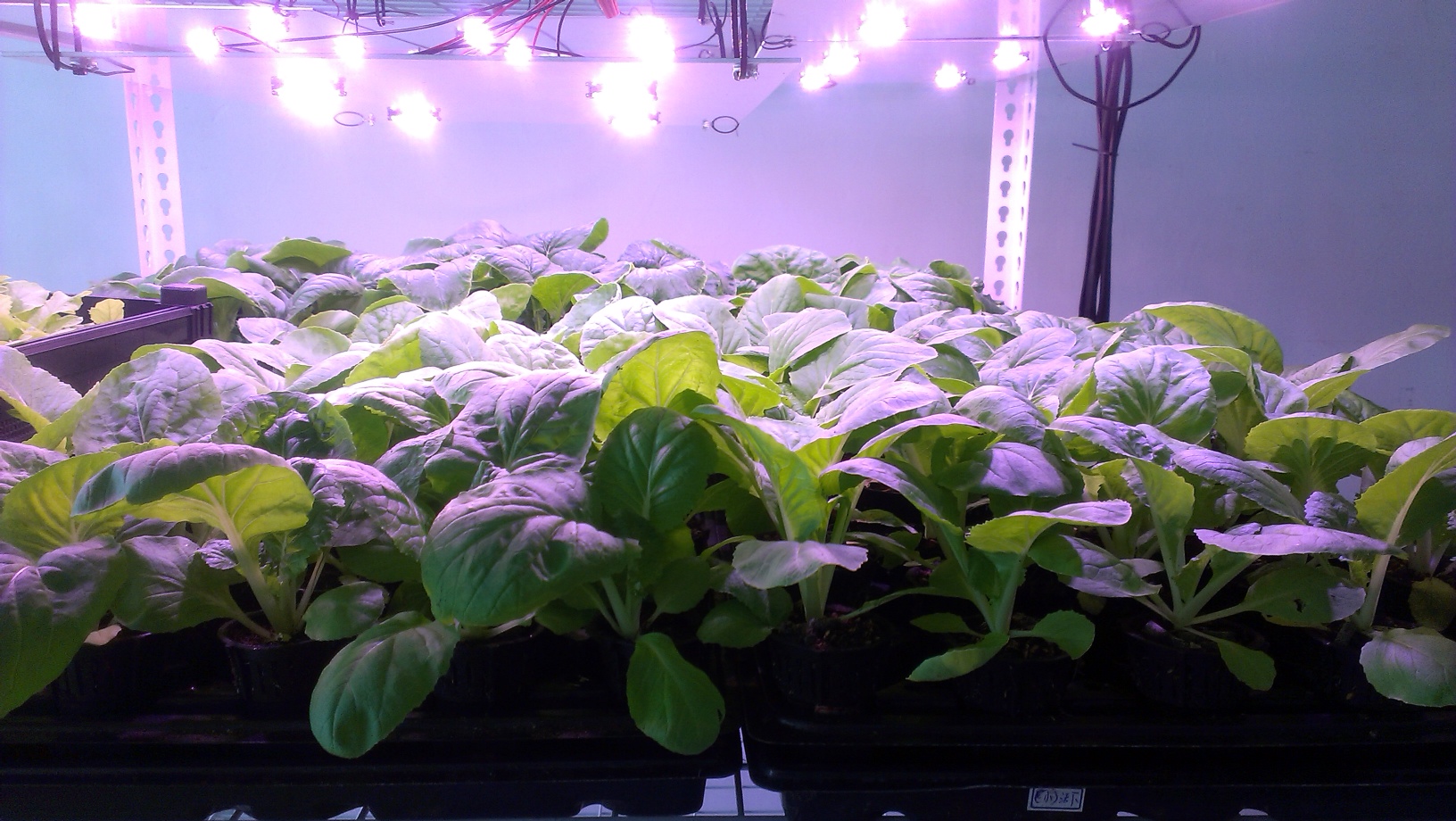
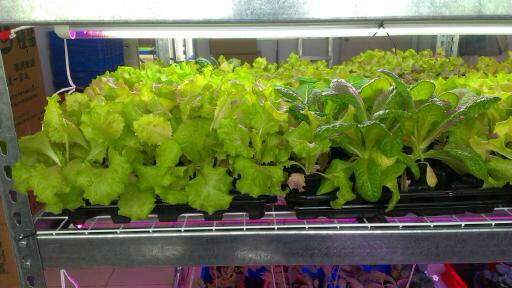
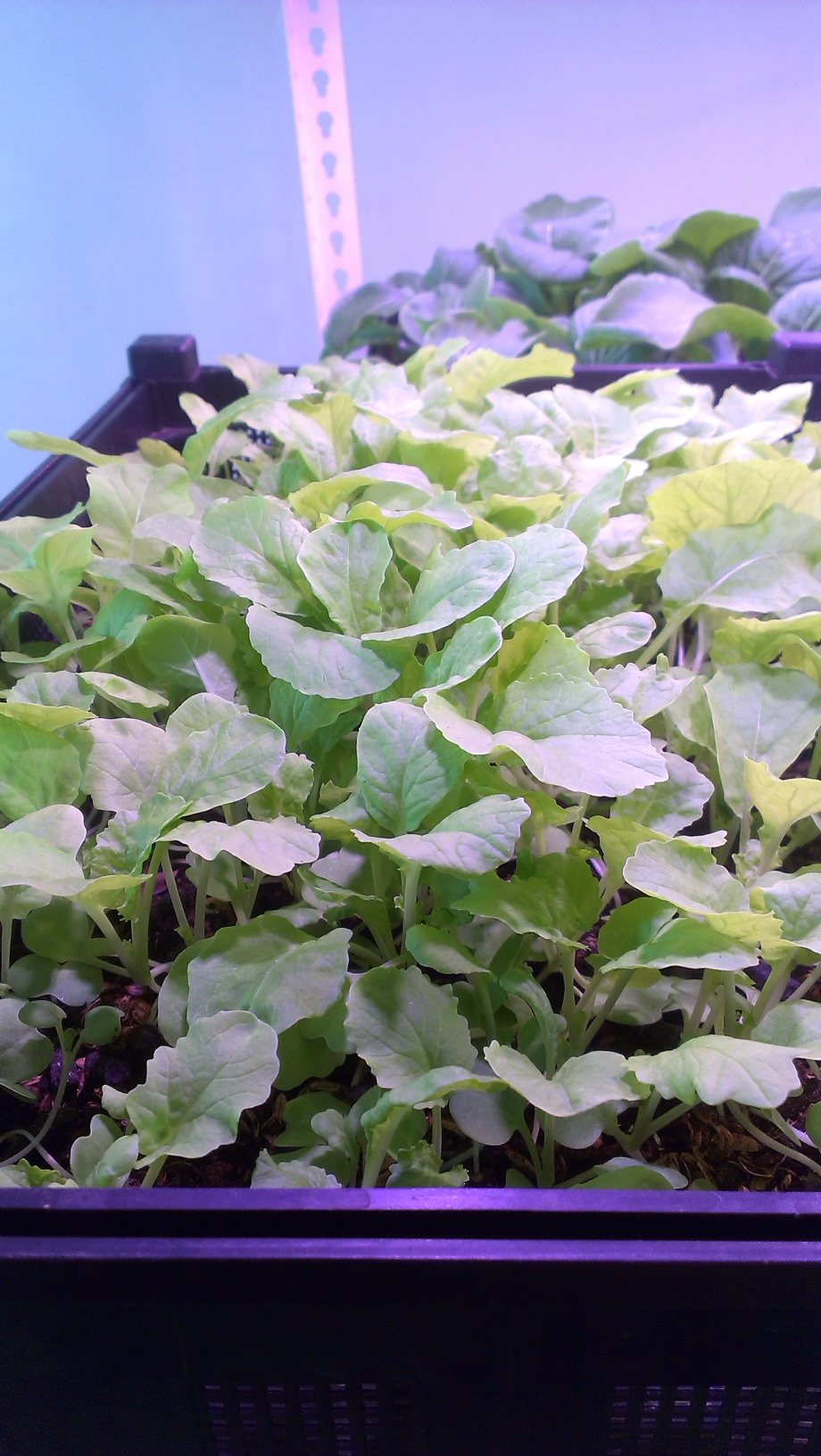
Wei Jing's soil-based plant factory has five major advantages that best fit the current stage of plant factories. First, it has developed a full-spectrum plant growth lamp that can be custom-researched and manufactured to produce plant growth light sources suitable for photosynthesis of various plants, with a light spectrum quite close to the solar spectrum. Second, the most suitable cultivation system: a low-soil cultivation system that does not discharge liquid, does not waste, and is fully absorbed, making it safe and environmentally friendly. Third, price advantage, only 1/3 to 1/5 of other manufacturers. Fourth, the yield per unit area is twice that of other brands. Fifth, it is currently the first soil-based plant factory to obtain organic certification transformation.
Wei Jing Company has now completed six months of phased system optimization. Market demand is urgent. Based on current inquiries received from mainland China, Macao, China, Hong Kong, China, Vietnam, and Taiwan, China, more than ten factories have accumulated, with a total price reaching several hundred million yuan, so it is officially launching, and subsequent orders will flow in continuously.
In terms of the company's preliminary business strategy, it adopts a cautious attitude toward accepting investment. Basically, the best approach is to operate, take orders, make profits, and then increase capital through conversion. However, in order to accelerate the company's development, it does not rule out bringing in funds to rapidly expand the market, making good use of flexible leverage operation strategies.
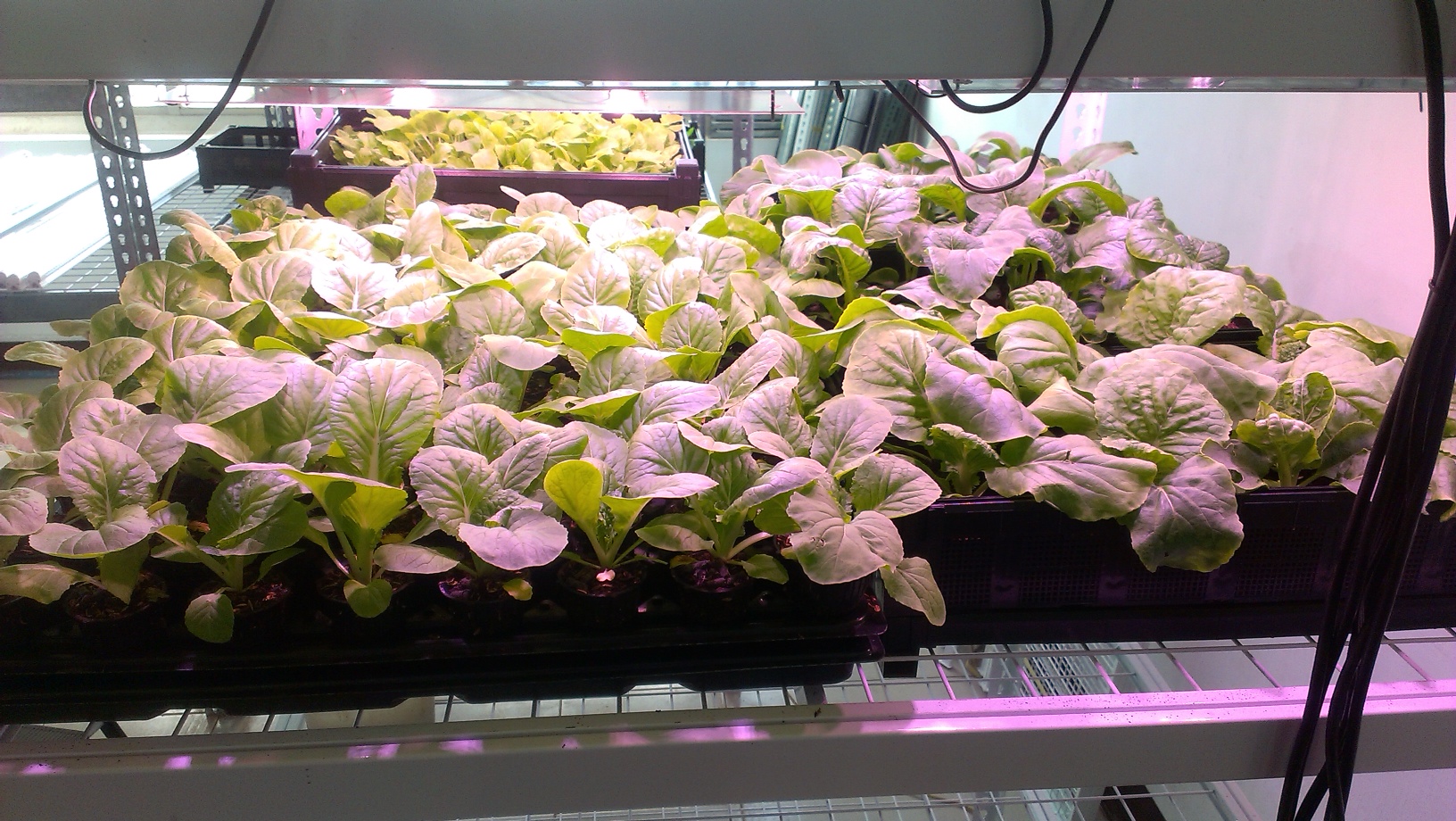
After completing the preliminary 6-month optimization, during which it actively organized a system technology R&D center (104.02 to present). It has currently invested 10 million yuan to establish an R&D center in the Tucheng Yongfeng Industrial Zone, containing 6 laboratories (tissue culture laboratory, cultivation technology and breeding research room, sex pheromone and pest control application research room, inspection room (soil, liquid fertilizer, water, nutrition, microbial count, light source), system equipment research room (drip irrigation, cultivation containers, plant growth lamps, cultivation racks, simple environmental control), agricultural materials research room (organic cultivation soil, organic liquid fertilizer, antibacterial liquid, energy water, chitosan, microbial bacteria, antibacterial water), and an experimental factory with 5 production lines, achieving the major result of shortening the optimization time that originally required one year to 6 months. During this time, it obtained the first organic certification transformation soil-based plant factory in Taiwan. It has currently obtained rapid growth cultivation technology for ice plant and Anoectochilus formosanus (shortening harvest from 4 months to 3 months). Organic vegetable planting has reached a level surpassing hydroponic production. It is currently preparing to establish its first 300 sq m mass-production plant factory so that clients can come to Taiwan for visits. And in the first half of 2015, it will set up a 1,500 sq m mass-production plant factory, producing 10,000 heads of vegetables per day.
Wei Jing Plant Factory: Low Energy Consumption, High Yield
The "Healthy Agriculture Excellence Program" is one of the three major priorities currently promoted by the Council of Agriculture of the Executive Yuan. Its core goal is to build a safe production management system for agricultural products to ensure food safety for consumers. In order to implement the promotion of healthy agriculture, since Year 100 of the Republic of China, the Council of Agriculture has comprehensively promoted its affiliated agricultural experiment and improvement stations, officially launching the promotion of our country's crop health management production system. Unlike traditional agriculture, which aims at intensive farming and the pursuit of high yields, its crop health management emphasizes coexistence with the environment, creating crop health through environmental health, thereby reducing pesticide use and safeguarding the health of farmers and consumers.
According to Gu Zhixiang, general manager of Wei Jing International, the low-cost, low-energy, high-yield soil-based plant factory meets the policy of healthy agriculture excellence and integrates smart agriculture with optoelectronic technology into a feasible path. It will integrate industry-academia resources in the promotion of refined agriculture, developing from production toward a healthy lifestyle agricultural product development mechanism, giving play to the diverse functions of refined agriculture moving toward smart agriculture, and making feasible a modern green ecological and service-industry business model platform. Gu Zhixiang said that general plant factories, due to high construction and production costs, have frighteningly high selling prices. For example, the production cost of lettuce grown in current plant factories means that 1 kilogram sells for an average of NT$1,000, which is unacceptable. However, scholars and industry figures unanimously believe that Taiwan's plant factory economic scale is still too small, and prices may still not be able to drop in the short term.
In addition to the above-mentioned excessively high equipment and production costs for vegetables in plant factories, electricity costs also account for too high a proportion. At present, the electricity consumption of plant growth lamps accounts for about 50% to 60% of total production costs, which is also one of the reasons costs remain high.
Gu Zhixiang then pointed out that under the guidance of Assistant Professor Zhou Jiaoyuanhui of Hsing Wu University of Science and Technology, after two years of industry-academia cooperation and R&D, Wei Jing International has gradually changed the plant factory production method to soil-based and greatly reduced equipment and material costs. Through continuous R&D and technical improvement, it now has the characteristics of low energy consumption and high yield. The developed soil-based plant factory has equipment costs one times lower than other types of manufacturers, double the yield, and low energy consumption, so that fewer solar panels can power a plant factory. This combination of green and energy-saving will change the existing form of agricultural production and the plant factories applying for organic certification.
In addition, Gu Zhixiang, general manager of Wei Jing International, said: Last year, combining plant factories and LED plant growth lamps, we thought about technological agriculture from both angles, focusing on innovation and change in the inability of agricultural products to achieve datafication, standardization, and systematization, overturning the fate of traditional agriculture that relies entirely on weather and experience to determine results.
Taiwan's future refined agriculture should take comprehensive all-around development as its main axis, use the country's excellent industry-academia cooperation programs to increase the probability of successful enterprise transformation, and truly implement the concept of combining the leisure industry with happy rural living.
Gu Zhixiang, general manager of Wei Jing International, believes that systematically planning the use of Taiwan's surplus idle factory buildings, designing various suitable fruit and vegetable varieties according to local conditions, or converting them into sightseeing plant factories with educational content, can bring surrounding benefits and thereby enhance their economic scale.
New Opportunities for Cross-Strait Agricultural Development with the Current Soil-Based Plant Factory
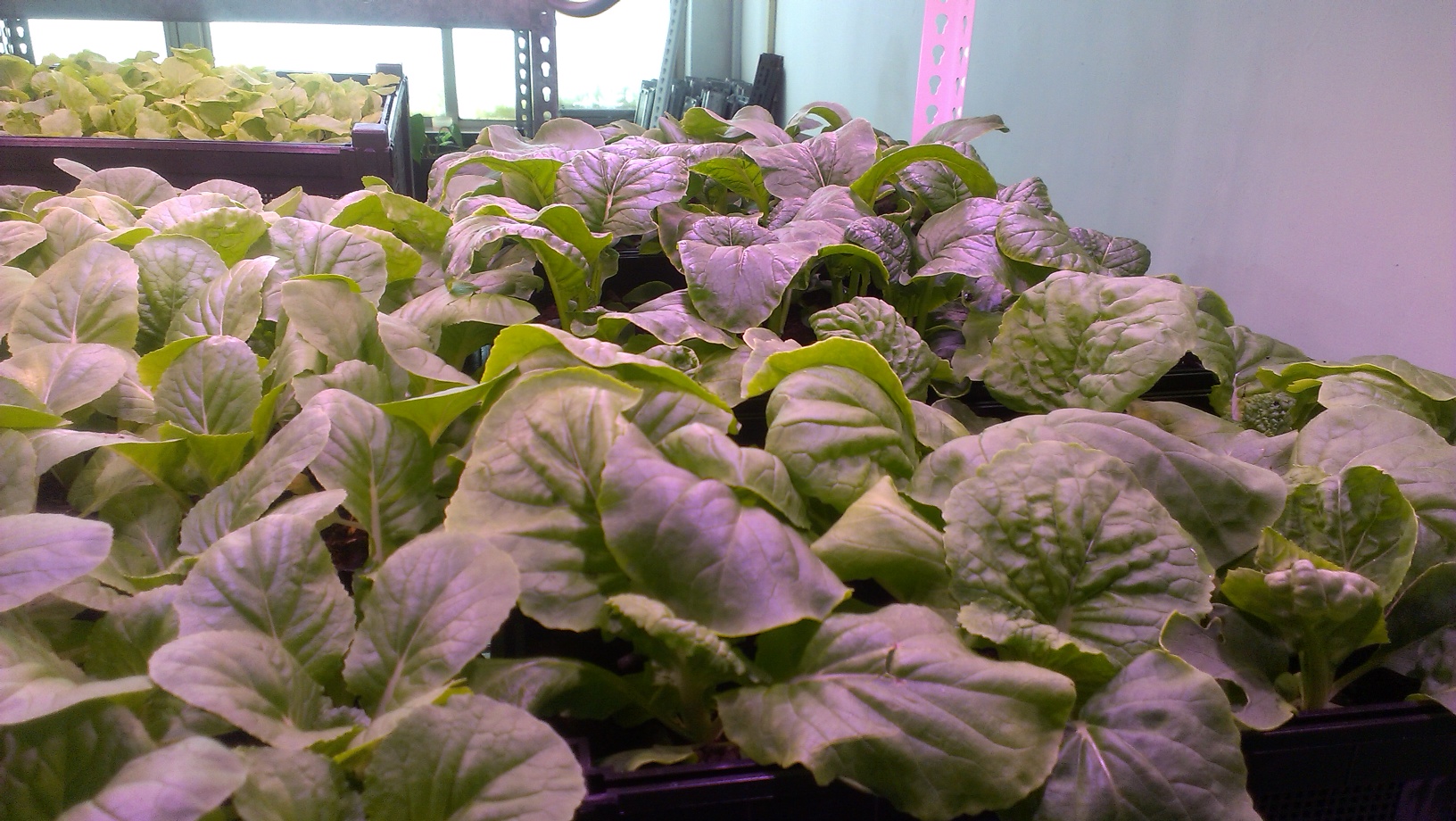
The Earth's environment is continuing to deteriorate at a speed beyond human imagination. The most serious environmental deterioration includes falling groundwater levels, soil erosion, and rising temperatures, which directly impact the stability of the food economy. The available usable land on Earth is only 7.529 billion hectares, but its quality is continuously degrading. Desertification swallows 2.5 million hectares of dry farmland and 125,000 hectares of paddy fields each year. In addition, good farmland is occupied by construction at twice the rate of population growth. Under this vicious chain of factors, the urgency of solving the Earth's food problem is even more prominent. Soil-based plant factories cultivate in clean rooms with no external pollution, use dedicated planting racks when growing, use minimal energy consumption with computerized LED lighting control, and instead of hydroponics use clean artificial soil as the substrate, eliminating the chemical additives required in the growing process. The disadvantage of organic agriculture is its high price, but agricultural systematization can dilute the market flaw of high unit prices. At the same time, soil-based cultivation uses organic fertilizer (without chemical fertilizers and pesticides), which is completely different from hydroponics using nutrient solution (liquid nitrogen fertilizer), avoiding market doubts, while the health appeal of soil-based cultivation can increase market share performance.
In response to the agricultural and food crisis brought by climate change and population explosion, China relies on imports for 60% of its grain. It currently adopts the strategy of acquiring large tracts of land abroad for cultivation and shipping the harvest back home. This year, in key science and technology programs such as strengthening the construction of conditions for agricultural science and technology innovation capacity and intellectual property protection, the Chinese government specifically mentioned the need to accelerate the construction of national agricultural science and technology parks and high-tech industry demonstration zones. China is not inferior to Taiwan in terms of technology, but the technology is mostly monopolistically controlled, and the vast number of Chinese farmers still have no opportunity to understand or participate. "China's hope lies in Taiwan, and Taiwan's opportunity lies in China" is an important portrayal of cross-strait agricultural development. However, the most important thing when investing in China is localization, combining Taiwan's agricultural experience with the different needs of both sides of the strait to develop new business models. The core concept of promoting soil-based plant factories on both sides of the strait can systematize and refine agriculture, that is, integrating the five concepts of landscape, health and wellness, value, experience, and sustainability, with the business goal of increasing land output rate and resource utilization rate, and using the opportunity of China's introduction of and cooperation in production factors such as Taiwanese agricultural capital, technology, improved seeds, and equipment. Both sides of the strait will surely be able to create an extraordinary new situation of "excellent agriculture" through full cooperation.
Taiwan appears infinitely energetic in agricultural development, but its shortcoming is that it prefers to go it alone. Taking cross-strait development as an example, if it adopts a model of local deep cultivation and teamwork, the probability of success will greatly increase. At present, many countries around the world feel the importance and necessity of developing refined agriculture, so the R&D and implementation of agricultural technology will be key elements. The KNOW-HOW of soil-based plant factories emphasizes "systematic operation," integrating the five concepts of landscape (cultural creativity, spatial works), health and wellness (wellness environment, vegetable-based diet and concepts, preventive medicine), value (system integration), experience (from the heart, making people feel it), and sustainability (cloud, green energy, ecology). Only through such systematic integration can refined agriculture truly unleash all-around high productivity and value. Comparing the development opportunities for plant factories on both sides of the strait, China still has more room. With the support of its central policies, it can develop toward northern, northeastern, and western China where demand is obvious. Plant factories planned as packages within agricultural parks, with advantages such as lowering costs, increasing yields, and enhancing the added value of the parks, will effectively dilute doubts about the excessively high equipment costs of plant factories.
Plant factories are an innovative milestone in the development of refined, non-toxic agriculture. Although both sides of the strait are actively promoting them, their economic scale and results are clearly different. China's strategy for promoting plant factories is for the state to form policies, then accelerate the advancement of "national agricultural science and technology parks" and "high-tech industry demonstration zones" across the country, and encourage leading enterprises to lead the growth of refined agriculture. With many excellent resource conditions supporting participation, Chinese cases can be referenced such as the Changchun Intelligent Digital Plant Factory, the Shandong Shouguang LED Plant Factory, the Liaoning Shenyang Xiaohancun Vegetable Factory, and the Nanjing Tangshan Cuigu Intelligent Digital Plant Factory.
Since Year 101 of the Republic of China, Wei Jing International has cooperated with Haotian Organic Vegetable Plant Factory, using indoor cultivation to solve strawberry pests and diseases and develop four-season strawberries, and implemented a non-toxic open-air strawberry garden in Dahu, Miaoli, thereby building a dedicated strawberry plant factory. Last year, the company combined the angles of its Plant Factory Business Division (Haotian Farm) and its LED Lamp Business Division (Laiming Lighting) to think about technological agriculture, moving toward innovative change in the inability of agricultural products to achieve datafication, standardization, and systematization. The reason is that they rely entirely on weather and experience to determine results. Taiwan's future refined agriculture should take comprehensive all-around development as its main axis, use the country's excellent industry-academia cooperation programs to increase the probability of successful enterprise transformation, and truly implement the concept of combining the leisure industry with happy rural living. In addition, systematically planning the use of Taiwan's surplus idle factory buildings, designing various suitable fruit and vegetable varieties according to local conditions, or converting them into sightseeing plant factories with educational content, can bring surrounding benefits and enhance their economic scale.
Wei Jing Insists on an Organic Agricultural Cultivation Environment
In 2012, Wei Jing International Co., Ltd., at its experimental farm in Dahu Township, Miaoli County, successfully cultivated four-season organic strawberries using natural organic fertilizer and complete environmental system management. All the efforts in testing were aimed at stably producing high-quality wellness ingredients. In addition to cultivating healthy, organic, reassuring ingredients, more importantly, in the production process it aims to serve as a model for promoting Taiwan's organic happy-living refined farms as healthy homes.
Organic soil cultivation differs from the hydroponic vegetables that dominate the market because the agricultural products produced by Haotian do not need any pesticides or chemical additives to achieve the goal of 100% organic vegetables. Organic soil fertilizer uses organic soil, allowing vegetable roots to breathe freely and healthily and absorb the nutrition of organic fertilizer and probiotics. It avoids pesticides and chemical additives, strictly controls the quality of organic fertilizer and the growth environment of probiotics through systematic SOPs, and prepares the best growing conditions for each different vegetable, so that vegetables can reach their best state at harvest. Wei Jing International assists Haotian Organic Vegetable Farmers in getting the hardest-to-grow strawberries to smoothly bloom and bear fruit under careful care.