What are the prevention and treatment methods for moldy sugarcane poisoning?
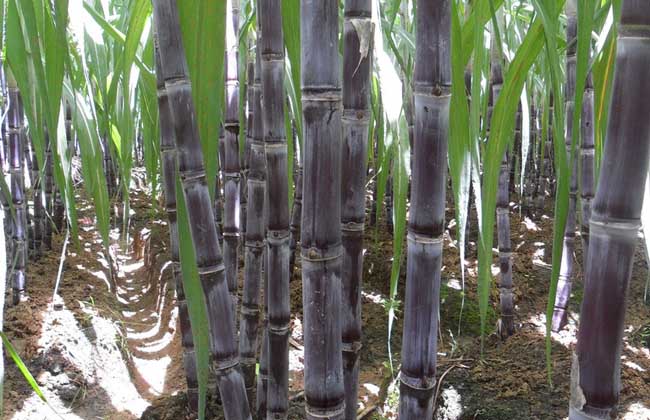
Moldy sugarcane poisoning refers to acute food poisoning caused by eating sugarcane that has deteriorated and become moldy due to improper storage. It is a common fungal food poisoning, relatively more common in areas north of the Huaihe River in China. Since sugarcane eaters are mainly people aged 3 to 16, whose ability to discern and alertness are relatively low, poisoning mostly occurs in children and young people. The peak season is February to March each year. It can be life-threatening or leave neurological sequelae, with a fatality rate above 10%.
Manifestation characteristics of moldy sugarcane poisoning
Moldy sugarcane poisoning mostly occurs within 15 minutes to 8 hours after eating, and can also be as long as 48 hours.
1. Mild poisoning: It first manifests as temporary gastrointestinal dysfunction (nausea, vomiting, abdominal pain, etc., without diarrhea), and neurological symptoms may appear (headache, dizziness, blackouts before the eyes, double vision). Mild cases recover quickly, while more severe cases have aggravated gastrointestinal symptoms, frequent nausea and vomiting, and may develop lethargy.
2. Severe poisoning: After the above symptoms appear, convulsions and coma quickly occur. The convulsions are paroxysmal and spasmodic, with each episode lasting 1 to 2 minutes, and can occur multiple times per day. After the convulsive episode, the patient is in a coma, with the eyeballs looking upward and the pupils dilated. Acute pulmonary edema and hematuria may also occur. Body temperature is normal initially and may rise after 3 to 5 days. Generally, the disease begins to improve after 5 to 10 days. Neurological sequelae may include generalized spastic paralysis, decorticate syndrome, etc.
Preventive measures for moldy sugarcane poisoning
1. Sugarcane must be harvested after maturity to prevent it from becoming moldy easily due to immaturity.
2. Sugarcane should be sold as soon as it is cut, and should be stored as little as possible.
3. During storage, sugarcane should be kept ventilated and moisture-proof, and checked regularly. Once it becomes moldy, it is prohibited to sell it.
4. Strengthen the dissemination of hygiene knowledge and educate the public not to buy or eat moldy sugarcane.
Treatment methods for moldy sugarcane poisoning
1. Early poisoning: Immediate vomiting should be induced, followed by gastric lavage with 0.2% potassium permanganate solution. Activated carbon suspension can also be instilled into the digestive tract to adsorb toxins, with sodium sulfate or mannitol for catharsis, and colonic lavage if necessary.
2. General treatment: Appropriately supplement fluids to prevent dehydration, correct acidosis and electrolyte imbalance, and use antibiotics to prevent secondary infection. For severe cerebral edema, hyperbaric oxygen therapy can be used to increase blood oxygen content and reduce symptoms.
3. Symptomatic treatment: In the acute phase, eliminate cerebral edema and improve cerebral circulation, intravenously administer 20% mannitol, furosemide and 50% glucose alternately to control the development of cerebral edema; in the recovery phase, agents that promote brain cell metabolism and brain cell activators (such as citicoline, cerebrolysin, cytochrome C, etc.) can be used to protect brain tissue and prevent or reduce sequelae. For convulsions and seizures, appropriately administer sedatives such as phenobarbital (Luminal), diazepam, etc. For children, chloral hydrate enema can also be used.