Is turbot a sea fish? Understanding the turbot's living environment and habits
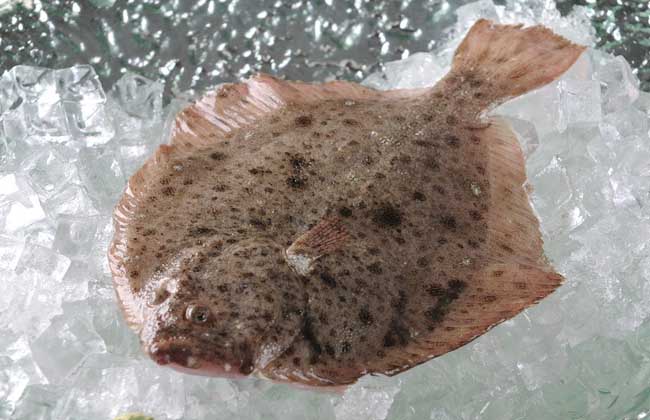
The turbot is a valuable cold-water economic fish mainly produced along the eastern coast of the Atlantic, belonging to the cold-water fish species of Northern Europe. It has strict requirements for temperature and other seawater indicators. Its flat body is particularly suited to life on the seabed, and it is a shallow-sea fish that inhabits sandy seabeds, feeding mainly on benthic invertebrates and fish. Let's take a look below!
Is turbot a sea fish
The turbot is a sea fish. The scientific name of the turbot is Scophthalmus maximus, native to the Atlantic waters of Europe, and it is recognized worldwide as one of the high-quality flatfish. Because its posture is very graceful when swimming, like a butterfly in the water, it is also called the “butterfly fish”.
The origin and distribution of the turbot
The turbot is mainly produced along the eastern coast of the Atlantic, naturally distributed along the European coast on the eastern side of the Atlantic. It is commonly found in the North Sea and the Baltic Sea, from the waters off the coast of Iceland starting at 68° north latitude, along the coast of the Scandinavian Peninsula southward, all the way to the waters off the coast of Morocco at 30° north latitude. It was introduced to China in 1992 and has now become an important aquaculture species along the northern coast of China.
The growth habits of the turbot
1. Feeding habits: In natural sea areas, the turbot has the ability to ambush prey. The larvae mainly feed on crustaceans, and as the fish continues to grow, it gradually feeds on various fish. The prey usually includes spotted mullet, striped mullet, white mullet and grass shrimp, etc. During intensive aquaculture, it is easy to domesticate it to eat compound feed (for example: extruded fish feed, etc.).
2. Temperature: The survival water temperature for adult fish is 2-36 degrees, the suitable growth temperature is 16-32 degrees, and the most suitable growth water temperature is 21-26 degrees. The water temperature during the seedling stage is generally 16-20 degrees (Guangdong is suitable for farming all year round).
3. Salinity: The most suitable salinity during the seedling stage is 18‰-30‰. After metamorphosis, the juvenile fish to adult fish have a very wide tolerance range for salinity and can grow normally within the range of 0‰-30‰.
4. Growth: Females grow faster than males, and the body length of female fish is noticeably greater than that of male fish. When they reach sexual maturity, the length of male fish can reach 20-25.5 cm, and that of female fish can reach 30-35.6 cm. In natural sea areas, adult fish can grow up to 75 cm. If artificially farmed, their growth period is noticeably shortened, and under suitable conditions, they can reach about 500g-600g in the same year.