What is the difference between agarwood and sandalwood? One article explains the differences between the two clearly
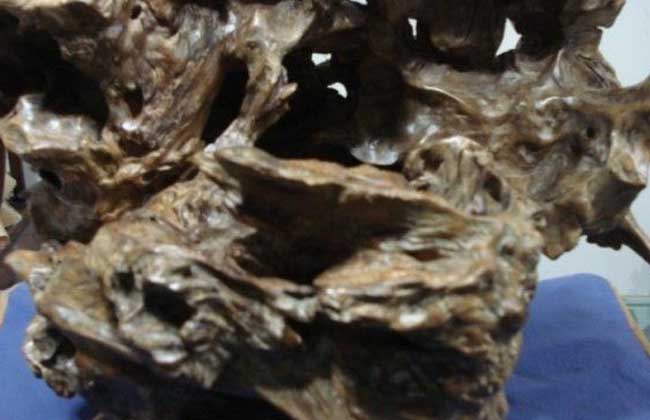
Agarwood and sandalwood are both natural woods with a distinct fragrance. Although both are among the four most famous fragrances in the world, they differ greatly in formation and fragrance type. Agarwood is formed when the tree is wounded and undergoes a transformation to produce resin, while sandalwood is a type of wood that has fragrance even under normal growth conditions. Agarwood, by contrast, is not merely a type of wood. Let us take a look together below!
The essential difference between agarwood and sandalwood
1. Sandalwood: Sandalwood is the heartwood of plants in the Santalaceae family and has important medicinal value. It is distributed in India, Malaysia, Australia, Indonesia and other places, and is also cultivated in Taiwan, China.
2. Agarwood: Agarwood is actually a solid aggregate of resin and woody components from the agarwood tree. In nature, after the trunk of an agarwood tree is damaged by insect bites, wind breaking branches, lightning strikes and other causes, fungi invade and parasitize it. Under the action of enzymes within the fungi, the wood is eroded and decayed, causing the starch stored in the wood's parenchyma cells to undergo a series of changes and form resin. Finally, after years or even a thousand years of deposition, a solid aggregate of resin and woody components is formed.
The difference in preciousness between agarwood and sandalwood
1. Sandalwood: Sandalwood is relatively common. Sandalwood includes yellow sandalwood, small-leaf red sandalwood, red sandalwood, black sandalwood, green sandalwood and so on.
2. Agarwood: By comparison, agarwood is very rare. Vietnam lists agarwood as a national treasure and prohibits its export, so it is seen less and less. According to the environment in which it forms, agarwood is divided into soil agarwood, water agarwood, ant agarwood, fallen rack agarwood and so on. Among raw materials, Qinan is considered the best. Of course, good agarwood is not only priceless but also extremely rare in quantity.
The difference in scent between agarwood and sandalwood
1. Sandalwood: Sandalwood's fragrance is more elegant, because smelling it can calm the mind and settle the spirit, and it is mostly favored by religions. At present, sandalwood essential oil is also available on the market; when applied to objects, it gives off a rich fragrance.
2. Agarwood: Agarwood's fragrance is more lingering and rich, and its scent is different from that of sandalwood.
The difference in price between agarwood and sandalwood
1. Sandalwood: Sandalwood's price is somewhat lower, and it also depends on whether it is true sandalwood. Red sandalwood and fragrant sandalwood are different, and their prices are also different.
2. Agarwood: Agarwood's price is high. The finest material is only a small piece, and the price is hard to state, because due to its rarity, the price is different every year.
The difference in effects between agarwood and sandalwood
1. Sandalwood: Sandalwood is pungent in taste, warm in nature and non-toxic. It enters the spleen, stomach and lung meridians and has the effects of regulating qi and harmonizing the stomach. It treats symptoms such as heart and abdominal pain, choking and vomiting, and chest and diaphragm discomfort.
2. Agarwood: Agarwood is pungent and bitter in taste and slightly warm in nature. It enters the spleen, stomach and kidney meridians and has the effects of promoting qi and relieving pain, warming the middle and stopping vomiting, and improving qi reception and relieving asthma. It treats symptoms such as chest and abdominal distension and pain, stomach cold vomiting and hiccups, and kidney deficiency with reversed qi and rapid breathing.