Can straw mushrooms be stored in the refrigerator?
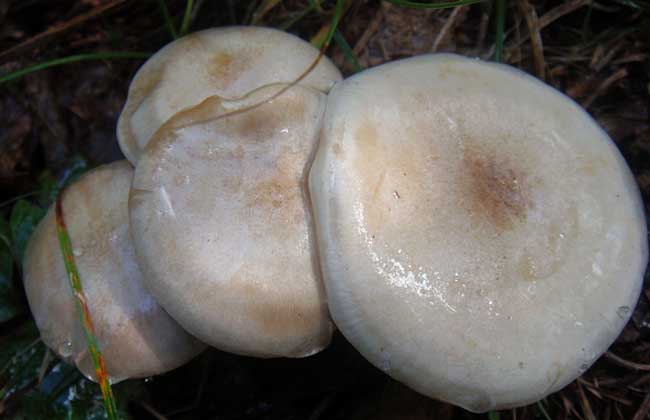
Straw mushrooms, also known as orchid mushrooms, bulb-foot mushrooms, etc., are highly favored for their rich nutrition and delicious taste, but straw mushrooms are extremely difficult to store after harvest. When it comes to preservation, people often think of the refrigerator. Can straw mushrooms be stored in the refrigerator? Let's take a look below!
Can straw mushrooms be kept in the refrigerator?
Straw mushrooms cannot be stored in the refrigerator. Because straw mushrooms are a high-temperature edible fungus, fresh straw mushrooms are not allowed to be placed directly in the refrigerator, otherwise they will autolyze and turn into water. When fresh straw mushrooms are stored below 12°C, cold damage occurs with water seeping from the surface. If the storage temperature is above 15°C, the strong respiration rapidly consumes their substance, and the mushroom bodies quickly soften and produce an off-flavor. Therefore, straw mushrooms are extremely difficult to store after harvest. Their optimum storage temperature is 12°C to 15°C, but they can only be kept for 2 to 3 days. Therefore, straw mushrooms cannot be frozen, and it is best to buy only as much as you will eat.
Refrigerator storage method for straw mushrooms in light salt water
Straw mushrooms can be temporarily preserved using the light salt water method, but they will not taste as fresh as fresh ones. Trim the roots of fresh straw mushrooms and wash them clean, then pour tap water into a pot and bring it to a boil. Add the prepared straw mushrooms and a little salt. After the water boils for 2 to 3 minutes, turn off the heat. Once cooled, they can be placed in the refrigerator and kept for about 5 days.
How to select high-quality straw mushrooms
1. Straw mushrooms come in two color types, mouse gray-brown and white. Choose straw mushrooms with no yellowing on the surface.
2. Choose straw mushrooms that are fresh and young, spiral-shaped, firm, with intact mushroom bodies, unopened caps, no loosening, no mold or rot, no cracks, and no mechanical damage.
3. Finally, check for any off-odor, pests or disease, dead mushrooms, stickiness, shrinkage, deterioration, and so on, and ensure they carry no mud, sand, or other debris.