What Is the Difference Between Real Silk and Mulberry Silk? Explained in One Article
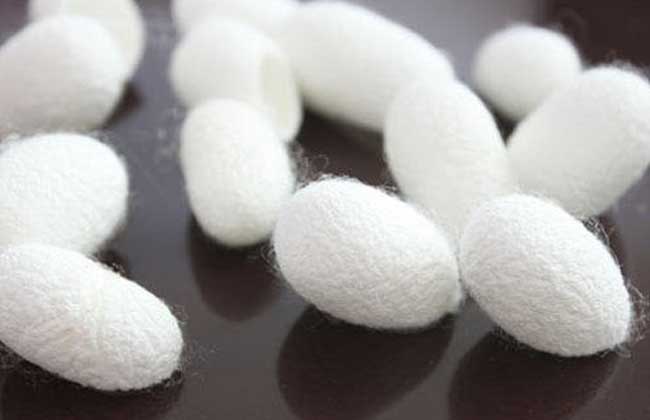
Ordinarily, we don't really pay attention to the difference between real silk and mulberry silk, and we often confuse the two. Some people think that real silk is mulberry silk - is that really true? It should be said that this claim is not entirely accurate; the difference between real silk and mulberry silk does exist. Let's take a look together below!
The Difference Between Mulberry Silk and Real Silk
The main difference between real silk and mulberry silk is that real silk is synthesized on the basis of mulberry silk. Mulberry silk is the raw material, while real silk is a fabric produced through processing. Their difference can also be seen from their definitions.
Mulberry silk is a natural animal protein fiber and the most important raw material for silk weaving. It is smooth and soft, rich in luster, feels warm in winter and cool in summer, produces a unique "silk rustle" phenomenon when rubbed, has good extensibility and fairly good heat resistance, is not resistant to saltwater corrosion, and should not be treated with chlorine-containing bleaching agents or detergents.
Common types of real silk fabric can be roughly divided by craftsmanship into several major categories such as crepe de chine, heavy crepe, georgette, double georgette, heavy georgette, sangbo satin, crepe satin, stretch crepe satin, and warp-knitted fabric. Among them, stretch crepe satin is a new fabric; in addition to mulberry silk, its composition also includes 5% to 10% spandex, making it an interwoven fabric, characterized by good elasticity and a relatively small shrinkage rate.
Washing Methods for Mulberry Silk and Real Silk Clothing
1. Washing Methods for Mulberry Silk Clothing
① Hand washing is best: put a small amount of acidic detergent or acidic shampoo into cool water, first stir the detergent evenly in the water with your hand before adding the clothing. Do not soak the clothing in water for more than three minutes. Gently rub and wash by hand, then rinse clean. You can use two or three drops of vinegar for a second rinse to keep the clothes bright and beautiful. Do not wring dry; lay flat in the shade to dry. If you do not iron, you can smooth it flat by hand when the garment is 70% dry.
② Remember that washing powder, laundry soap, toilet soap and similar washing products must not be used, and it must not be washed together with other clothes.
2. Washing Methods for Real Silk Clothing
① Water washing: real silk clothing is woven from delicate protein-based health-care fibers, so it should not be rubbed against rough items or washed in a washing machine. The clothing should be soaked in cool clean water for 5—10 minutes, then gently rubbed and washed with a special real silk detergent, low-foam laundry powder, or neutral soap (if washing small items such as silk scarves, a better-quality shampoo will also work). Dyed real silk clothing only needs to be rinsed repeatedly in clean water.
② Drying: after washing, real silk clothing should not be exposed to the sun, and even less should it be heat-dried in a dryer. Generally, it should be air-dried in a cool, ventilated place. This is because ultraviolet rays in sunlight easily cause real silk fabric to yellow, fade, and age. Therefore, after washing real silk clothing, it should not be twisted to remove water; instead, gently shake it open, turn it inside out, spread it out to dry, and when it is 70% dry, iron it or shake it flat.
③ Ironing: real silk clothing has slightly poorer wrinkle resistance than synthetic fabrics, hence the saying "if it doesn't wrinkle, it isn't real silk." If the clothing wrinkles after washing, it needs to be ironed to be crisp, elegant, and beautiful. When ironing, dry the clothing until it is 70% dry, then evenly spray a fine mist of clean water, wait 3—5 minutes before ironing, and keep the ironing temperature below 150°C. The iron should not directly press the silk surface, to avoid producing a shine.
④ Storage: for storing real silk clothing, thin innerwear, shirts, pants, skirts, pajamas and so on should first be washed clean and ironed dry before being stored. For autumn and winter clothing, padded jacket shells, hanfu, and qipao that are inconvenient to dismantle and wash, dry cleaning should be used to clean and brush them until smooth, to prevent mildew and insect damage. Ironing can also play a role in sterilizing and killing insects. At the same time, the boxes and cabinets storing clothes should be kept clean and sealed as much as possible to prevent dust contamination.
Maintenance Methods for Mulberry Silk and Real Silk Clothing
1. Maintenance Methods for Mulberry Silk Clothing
① When buying mulberry silk clothing, pay attention to buying a size 2~4 cm larger than your original size, so it is comfortable to wear and less likely to damage the mulberry silk protein fibers.
② Mulberry silk clothing should be dried in the shade and should not be dried in sunlight or under fluorescent lamps. ③ Mulberry silk clothing should be ironed at medium temperature (130~140 degrees Celsius).
④ Mulberry silk clothing has strong moisture absorption. When not being worn, it is best to hang it on a hanger and keep it ventilated. If the clothes are not very dirty, they do not have to be washed; hang worn clothes in a ventilated place until sweat odor evaporates before wearing them again.
⑤ Mulberry silk clothing is best stored by hanging, kept dry, and insect repellent must be wrapped in cloth and not directly touch the clothing.
2. Maintenance Methods for Real Silk Clothing
① When washing, hand wash below 30 degrees, and turn the clothes inside out to wash. If you soak them briefly in water with a few drops of aromatic vinegar, the real silk clothes washed this way will be soft and smooth.
② When washing, alkaline detergents and soap should not be used. After washing, choose a ventilated place to dry in the shade, to avoid damaging the feel and color of the silk clothing.
③ Real silk clothes that have become damp with sweat should be washed immediately.
④ Do not hang real silk clothes on hard metal hooks, to prevent damage to the silk surface.
⑤ When real silk is not being worn, mothballs should not be used, otherwise it easily becomes brittle.
⑥ The ironing temperature should preferably be 100 degrees, and it is best to place a lining cloth underneath.
Which Is Better, Mulberry Silk or Real Silk
Real silk clothing is soft and comfortable, while mulberry silk can be made into cosmetics or silk protein, so mulberry silk and real silk each have their own advantages, and their uses are also different.
1. Advantages of Mulberry Silk
① Mulberry silk is not only the most important raw material for silk weaving, but can also be used to make artificial blood vessels.
② Mulberry silk is the best raw material for making silk quilts. Silk quilts made from mulberry silk are not only soft and close-fitting, warm and breathable, but also have multiple health benefits for the human body due to their green and healthy characteristics.
③ Mulberry silk can also be developed into many high-tech by-products.
④ Because mulberry silk contains 18 amino acids of great nutritional value to the human body, people have used this characteristic of silk to develop a cosmetics series with silk fibroin as the main raw material.
⑤ Mulberry silk can also be made into silk protein for people to eat.
2. Advantages of Real Silk
① Real silk fabric has a relatively high porosity, and therefore has good sound-absorbing and air-absorbing properties. So in addition to making clothing, it can also be used for interior decoration, such as real silk carpets, tapestries, curtains, wall coverings and so on.
② Using silk fiber as a raw material for interior decoration can not only absorb sound, absorb dust, and provide thermal insulation, but also has a flame-retardant function.
③ Tryptophan and tyrosine in silk protein can absorb ultraviolet rays, so silk has a fairly good anti-ultraviolet function.