What is the difference between silkworms and cicadas? A quick guide to telling them apart
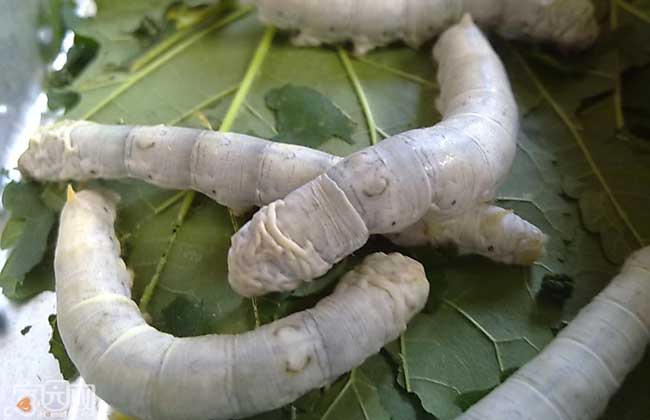
The silkworm is the larva of the silkworm moth and the main source of silk material, holding an important place in human economic life and cultural history. The cicada is a representative species of the Cicadidae family, also known as the "zhiliao" or "zhiliaogui". Silkworms and cicadas are two completely different insects. Let's take a look at their differences below!
Silkworms and cicadas belong to different families and genera
1. Silkworm: The silkworm is an insect of the animal kingdom, phylum Arthropoda, class Insecta, order Lepidoptera, family Bombycidae.
2. Cicada: The cicada is an insect of the animal kingdom, phylum Arthropoda, subphylum Hexapoda, class Insecta, subclass Pterygota, order Hemiptera, suborder Auchenorrhyncha, family Cicadidae.
Silkworms and cicadas have different feeding habits
1. Silkworm: Silkworms usually feed on plant leaves, and mulberry leaves are the most suitable natural food for silkworms.
2. Cicada: The cicada's larvae live in the soil and suck the roots of plants, while the adults feed on plant sap.
The growth differences between silkworms and cicadas
1. Silkworm: The silkworm is a metamorphic insect, and its life goes through 4 stages: egg, larva, pupa and moth.
2. Cicada: The cicada undergoes incomplete metamorphosis, developing from egg to larva (nymph), molting several times, and becoming an adult without passing through the pupal stage.
Silkworms and cicadas have different uses
1. Silkworm: The value of the silkworm lies mainly in silk. The silkworm is one of the economic insects that feed on mulberry leaves and other food and spin silk to form cocoons. Silk is the main raw material for silk products and holds an important place in human economic life and cultural history.
2. Cicada: The cicada is mainly used for medicinal and food purposes. When the mature nymph of the cicada changes into an adult, the shell shed during emergence is called cicada slough, also known as "chantui" or "chanpi". Its main components include chitin and protein; it is sweet and salty in taste and cool in nature, entering the lung and liver meridians, and is an important traditional Chinese medicine for relieving exterior symptoms with pungent-cool herbs. The cicada body is also rich in protein.