What is the difference between Mandarin fish and Gui fish? Explained clearly in one go
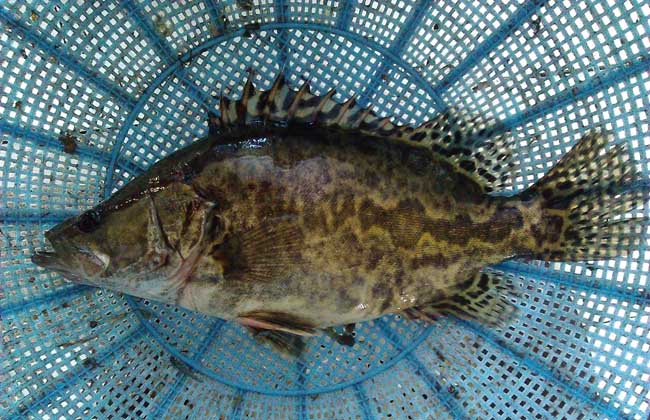
The Mandarin fish is one of China's "four great freshwater famous fish," and also the most precious fish among the "three flowers and five luo," with tender flesh and a delicious taste, making it an excellent choice among fish. For a long time, many friends have not known that the Mandarin fish and the Gui fish are actually the same fish, with no difference at all. Let's take a look below!
The difference between Mandarin fish and Gui fish
There is no difference between Mandarin fish and Gui fish. The Mandarin fish is the Gui fish, because the character gui (pronounced: gui, fourth tone) is relatively difficult to write and easy to mispronounce, so it came to be written as Gui fish.
What are the other names for Mandarin fish
Gui fish, Aohua fish, Jihua fish, Huaji fish, Guihua fish, Aoyu, Jihua fish, Pang gui, etc. In China, apart from the Qinghai-Tibet Plateau, it is distributed in all other major river systems.
The nutritional value of Mandarin fish
1. Mandarin fish contains protein, fat, small amounts of vitamins, calcium, potassium, magnesium, selenium and other nutrients. Its flesh is tender and extremely easy to digest. For children, the elderly, and those who are weak or have poor spleen and stomach digestive function, eating Mandarin fish can both tonify deficiency and avoid concerns about digestive difficulty.
2. Eating Mandarin fish has the effect of acting against "consumption worms," which is to say it is beneficial for the recovery of tuberculosis patients.
3. The meat of Mandarin fish is not high in calories and is rich in antioxidant components, making it an excellent choice for ladies who love good food, want to look beautiful, and also fear obesity.