What is the difference between American ginseng and American ginseng?
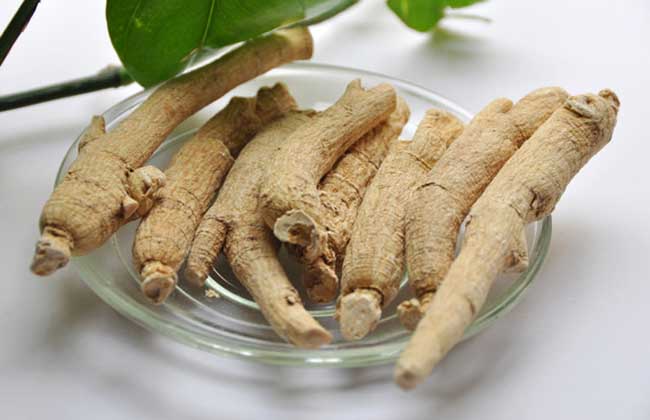
American ginseng is a perennial herbaceous plant in the Araliaceae family, genus Panax, and is a type of ginseng. American ginseng is also a common type of ginseng in people's daily lives. I believe many people are quite confused about these two types of ginseng and do not know exactly what the difference is between them. Let us take a look together below!
The difference between American ginseng and American ginseng
There is no difference between American ginseng and American ginseng. In fact, American ginseng and American ginseng are the same kind of ginseng. If one must name a difference, it is only the place of origin: the kind produced in Canada is called American ginseng, and the kind produced in the United States is called American ginseng. Because early imported American ginseng had the pattern of the United States flag as packaging, it was called American ginseng.
The effects and functions of American ginseng
[Nature and flavor] Sweet, bitter, cool.
[Meridians entered] Heart, lung, and kidney meridians.
[Effects] Tonifies qi and nourishes yin, clears heat and promotes fluid production.
[Indications] Treats chronic cough due to lung deficiency, blood loss, dry throat and thirst, and irritability and fatigue due to deficient heat.
Identification methods for American ginseng
1. Wild American ginseng: Wild American ginseng is cylindrical or long spindle-shaped, 2-6 cm long and 0.5-1.1 cm in diameter, with no rhizome head, fibrous roots, or branch roots. If not peeled, the surface is earth-yellow or off-white; if peeled, it is white and powdery.
2. Imported American ginseng: The main root of imported American ginseng is round or spindle-shaped. The rhizome head remains or has been removed; if remaining, it leans slightly to one side. The surface is light yellow or yellowish-white, with fine skin texture and raised transverse lenticels. The texture is plump and firm, and the broken surface is slightly horny. There are often small cracks between the bark and the wood or center. The broken surface is powdery white, and a brown cambium ring can be seen in the bark, with reddish-brown dots scattered inside and outside the ring. It is bitter and strong in taste, penetrating the throat.
3. Domestic American ginseng: Domestic American ginseng is long cylindrical, with relatively thick branches and a relatively large rhizome head. The surface is relatively smooth, darker in color, with obvious longitudinal lines. The texture is light, like freshly fired red brick, with poor powdery quality and few cracks. It is only bitter, with little or no sweetness, and has a cotton-like sensation when chewed for a long time.
4. Sun-dried ginseng: Sun-dried ginseng is the dried root of ginseng, a plant in the same family, processed and passed off as American ginseng. It is cylindrical or spindle-shaped, with a rhizome head and fibrous roots. The upper part of the main root or the whole root has intermittent ring-shaped transverse lines. The chrysanthemum heart in the cross-section is not obvious, and it is light brownish-yellow to light grayish-brown, 5-15 cm long and 1-2 cm in diameter. The texture is light and spongy, the odor is faint, and the taste is initially bland and later slightly bitter.
5. Inferior American ginseng: Inferior American ginseng is of the same family and genus, but its active ingredients have already been artificially extracted, and after drying it is passed off as genuine American ginseng. Its appearance is the same as American ginseng. The broken surface is grayish-white, the cambium ring spreads into a dark reddish-brown color, and reddish-brown dots can still be seen in the phloem. It is dry and withered without an oily appearance, stiff in texture, and faint in odor. When chewed, it is bitter at first and then sweet, and after several swallows it becomes bland and tasteless.