These 3 tricks at the flower market make the plants you buy live less than a week
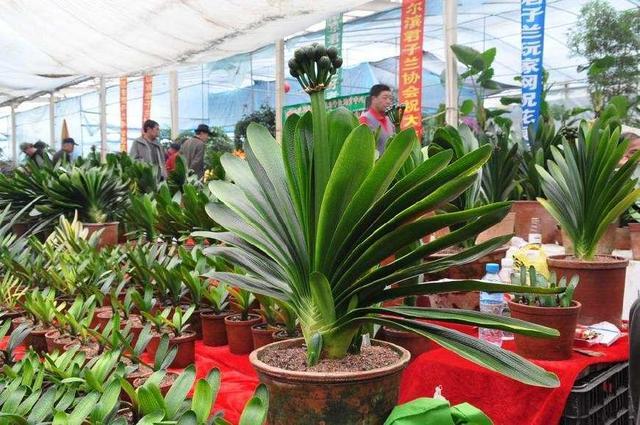
These days more and more people grow plants, and every weekend the flower market is always packed with people. Some go to buy foliage plants and flowering plants, while others just wander around and admire them. Most people who have been to the flower market rarely come back empty-handed. More or less, they will buy a potted flower and take it home. Keeping potted plants indoors can beautify the home, making it look more colorful and full of life, and it can also cultivate character and calm the mind. Growing plants really kills two birds with one stone!
Some plant lovers happily buy a flower, take it home, and after just a few days of caring for it, it either turns yellow, refuses to bloom, or even has its roots rot away. In the end, it all comes down to not seeing through the "tricks" of the flower market vendors. Next, we will share a few common routines used by flower sellers, and after reading this, we hope plant lovers can avoid them in the future.
1. For foliage plants like pothos, spider plant and lucky bamboo, do not buy them if the leaves are so shiny they gleam
Foliage plants stay evergreen all year round. Keeping them at home is about the vitality and energy their lush green leaves bring to the room. If the leaves are yellowing or dull, plant lovers definitely will not buy them. So some sellers try every possible way to make the leaves look greener and shinier, even gleaming. In fact, this is all because they sprayed them with a "shine agent". The reason to avoid buying these potted plants sprayed with shine agent is that after you take them home, the layer of grease-like substance covering the leaves makes it hard for the leaves to carry out transpiration.
Within a week, the foliage plants you brought home will show black tips and yellow leaves. So avoid them!
2. Combined flower pots, with multiple kinds of flowers planted in one pot, should not be bought
Each kind of flowering plant has different growing habits. For example, gardenia and clivia prefer slightly acidic soil rich in humus that is loose and breathable, while flowers such as hibiscus and winter jasmine prefer to grow in alkaline soil. When plants with such different growing needs are placed in one pot, it will soon happen that some flowers bloom well while others turn yellow, dry up or drop their flowers. There is another point: some flower sellers deliberately pass off unknown flowers as rare and precious ones to fool plant lovers and raise the price. This trick is also very common.
3. Be careful with plants whose potting soil is compacted or has just been changed to new soil
Some potted flowers, because the seller neglects their care, go a long time without repotting or changing the soil, so the soil easily becomes compacted, to the point that even a shovel cannot break it up. You must not buy this kind of potted plant, because once the soil is compacted, it means the roots have mostly rotted. Take it home and within three to five days the leaves will surely turn yellow. There is another situation: flower market vendors deliberately change the soil to new soil. Some potted plants, such as spider plants and Alocasia macrorrhizos, rot at the roots easily, and in order to sell these plants smoothly, some sellers trim the rotten roots and then replant them in new soil. So when you see new soil, you must be careful and ask to check whether the plant's root system is intact.
In fact, there are many more tricks at the flower market. Otherwise, if the plants you take home grew better and better and never died no matter how you cared for them, who would flower sellers sell flowers to in the future?
Remember to like and share! Let more plant lovers see this~