Jasmine: from 4 roots to 40, all thanks to an old master's soil-mixing trick
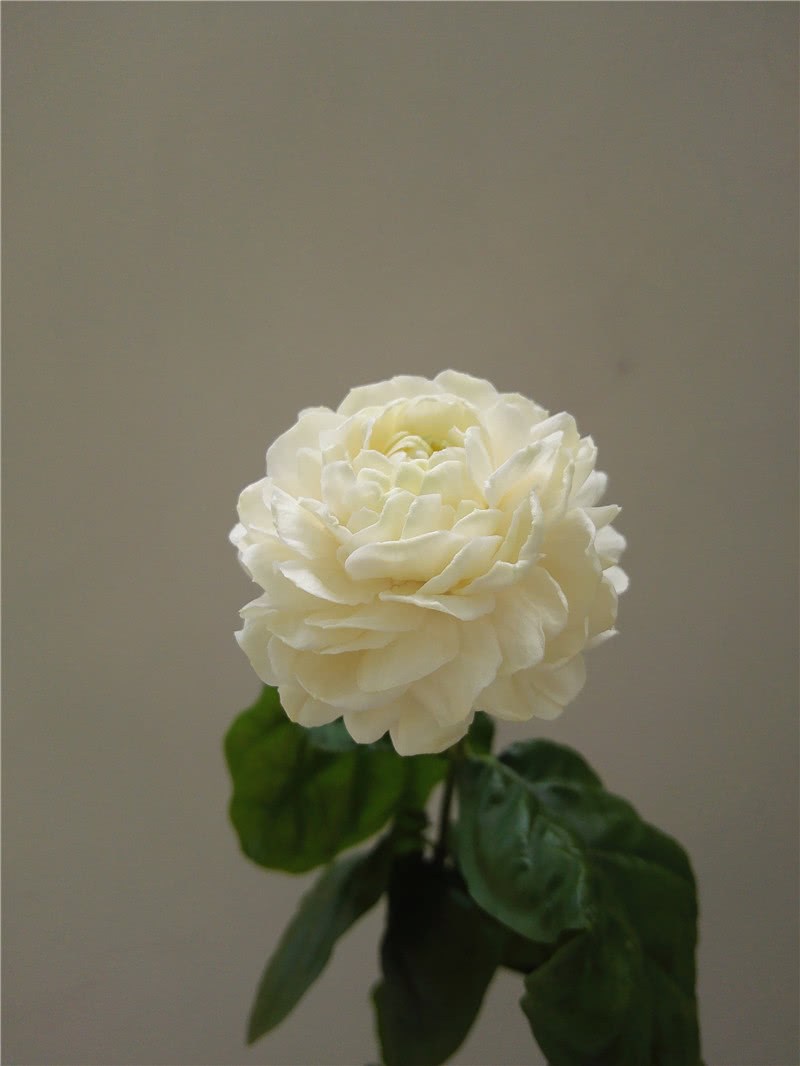
July is here, and the most beautiful blooming season for jasmine has arrived. Are the jasmine plants at home ready to bloom, little masters? Many little masters feel quite upset, because their jasmine has been grown for several years and basically does not bloom, or blooms pitifully little. The little gardener wants to ask everyone a question: with potted jasmine, have you ever paid attention to root care?
The reason many flower lovers' jasmine does not bloom is that the roots are not strong enough. The roots are too weak, they absorb few nutrients, and naturally the jasmine cannot bloom well. When it comes to root care, you naturally cannot avoid the issue of soil. When caring for jasmine, mixing the soil well is the foundation for strong roots and blooming. The little gardener will take the little masters to see the old master's soil-mixing method for growing jasmine.
1. The old master's trick for mixing soil when growing jasmine
The picture above shows the old master's jasmine before potting. The seedling is not exactly strong, but still fairly healthy, with only 4 roots, few enough to count. If this jasmine seedling were given to me to grow, I would not even dare guarantee I could keep it alive, let alone grow it well or make it fill the pot, but the old master did it.
This is the jasmine's root system at repotting one year later. Everyone can compare: from the 4 little fibrous roots above to this whole big pot of strong roots, it was basically about to burst the pot. Two words: admiration. This old master's jasmine grows so well because he was willing to put in the effort when mixing the soil.
2. The "sandwich" soil composting method
Do you think this bucket of vegetable leaves is for what? This is the material the old master used to compost soil for jasmine. The method he used is the "sandwich" method: first spread a layer of soil on the bottom of the bucket, spread leaves, then spread another layer of soil, put in fruit peels, then spread another layer of soil, put in vegetable leaves, finally cover with soil on top, lastly spray some carbendazim, then put on the lid and let it slowly ferment.
Fermentation needs time. After composting for one year, this soil becomes very good nutrient soil. Its nutrients go without saying: it has nitrogen, phosphorus and potassium, and quite a few trace elements too. Soil composted by yourself has good water permeability and air permeability. This old master used this soil to pot the jasmine. Just look at the roots and you will know: the jasmine's growth is extremely strong, and its blooming is also excellent.
3. "Lazy people" growing jasmine use lazy methods
As a "lazy flower lover" like the little gardener, I do not have the time or effort to compost soil. I generally use airy, loose nutrient soil to grow jasmine, but in my usual care, I water with Huadongde organic nutrient solution. It is a slightly acidic fertilizer, relatively suited to jasmine's taste. Second, the microbial factors in it can help activate and loosen the soil, and the jasmine blooms very well too.
Little masters, when caring for jasmine, you also need to put some effort into mixing the soil. Once the soil is well mixed, caring for jasmine gets twice the result with half the effort. You can refer to the two methods above, and use whichever is convenient for you. If we want jasmine to bloom abundantly and smell fragrant, we must pay attention to soil mixing.