What are the differences between peas, soybeans, and broad beans?
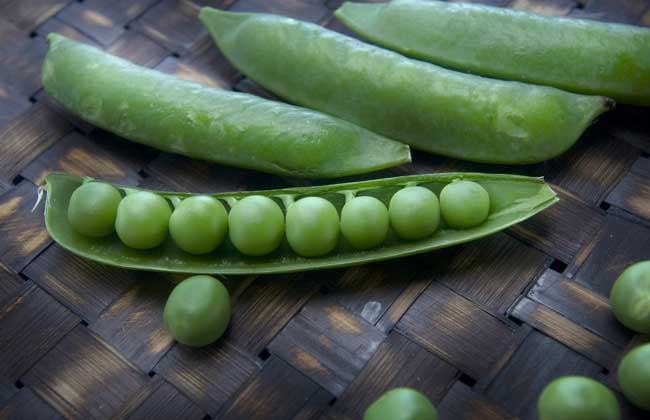
Peas, soybeans, and broad beans are all common legumes in our daily lives. Many people think they are the same plant, but in fact they are three different plants. Below we will distinguish them from several aspects such as family and genus, origin, alternative names, appearance, and nutrition.
Peas, soybeans, and broad beans belong to different families and genera
1. The pea belongs to the phylum Angiospermae, class Dicotyledoneae, subclass Archichlamydeae, order Rosales, suborder Rosineae, family Fabaceae, subfamily Faboideae, tribe Fabeae, genus Pisum, subgenus Fruticosa, species Pisum sativum.
2. The soybean belongs to the phylum Angiospermae, class Dicotyledoneae, order Fabales, family Fabaceae, subfamily Faboideae, genus Glycine, species Glycine max.
3. The broad bean belongs to the phylum Angiospermae, class Dicotyledoneae, subclass Archichlamydeae, order Rosales, suborder Rosineae, family Fabaceae, subfamily Faboideae, tribe Fabeae, genus Vicia, species Vicia faba.
Differences in the origins of peas, soybeans, and broad beans
1. The pea belongs to the Fabaceae family. It originated in western Asia, the Mediterranean region, Ethiopia, and western Asia Minor. Because of its strong adaptability, it is widely distributed geographically around the world. Peas have been cultivated in China for more than two thousand years.
2. The soybean is one of China's oldest crops. China is the homeland of the soybean, with a cultivation history of about 5,000 years in our country. It spread from China to the south and to the countries of Southeast Asia, and later reached Europe in the 18th century.
3. The broad bean originated along the Mediterranean coast of Europe, from southwestern Asia to North Africa. It is said that Zhang Qian of the Western Han dynasty introduced it to the Central Plains from the Western Regions.
Differences in the alternative names of peas, soybeans, and broad beans
1. The pea is also known in various places as maiwandou, handou, maidou, xuedou, bidou, malei, and guodou.
2. Soybeans include green soybeans, black soybeans, purple soybeans, and speckled brown soybeans.
3. The broad bean is also called luohandou, hudou, nandou, shudou, fodou, and so on.
Differences in the appearance of peas, soybeans, and broad beans
1. Peas are divided by color into green and yellow types. Dry yellow peas have a whitish skin. Their shape varies with the variety; most are round and spherical, and there are also oval, flat-round, concave-round, and shrunken shapes. After dry yellow peas are soaked in cold water, the seed coat is relatively thick and has no translucent quality. If you rub off the outer skin with your hands, the pea kernel is golden yellow.
2. The seed coat of the soybean is slightly pale yellow. Commercially sold soybeans have a shape with diameters that are almost equal, are round, and have a faint, indistinct hilum. Self-grown soybeans have an irregular shape; some are short oval and some are round, and the hilum is distinctly black. After dry soybeans are soaked in cold water, the seed coat is relatively thin and becomes transparent. If you rub off the outer skin with your hands, the soybean kernel is pale yellow.
3. The broad bean's outer shape is oblong-round, close to rectangular, with a concave middle. The seed coat is leathery, green, grayish green to brown, rarely purple or black. The hilum is linear, black, and located at one end of the seed.
Differences in the nutrition of peas, soybeans, and broad beans
1. Nutritional value of peas: The young leaves of pea pods and pea shoots are rich in vitamin C and enzymes that can break down nitrosamines in the body, can decompose nitrosamines, and have anti-cancer and cancer-preventing effects. Peas differ from ordinary vegetables in that the substances they contain, such as gibberellic acid, gibberellin, and phytohemagglutinin, have antibacterial and anti-inflammatory effects and the function of enhancing metabolism. Snow peas and pea shoots contain relatively abundant dietary fiber, which can prevent constipation and has a bowel-cleansing effect.
2. Nutritional value of soybeans: Soybeans have long been known as the “king of beans” and are called by people “plant meat” and “the green dairy cow.” Dry soybeans contain about 40% high-quality protein, the highest among other food grains. Soybeans are rich in isoflavones, which can cut off the nutrient supply to cancer cells. They contain the 8 amino acids essential to the human body, multiple vitamins, and multiple trace elements, and can lower blood cholesterol and prevent high blood pressure, coronary heart disease, arteriosclerosis, and so on. Soybeans contain linoleic acid, which can promote children's neural development.
3. Nutritional value of broad beans: Broad beans contain protein, carbohydrates, crude fiber, phospholipids, choline, vitamin B1, vitamin B2, niacin, and multiple minerals such as calcium, iron, phosphorus, and potassium, with especially high levels of phosphorus and potassium. Traditional Chinese medicine holds that hyacinth beans are sweet and slightly pungent in flavor. They enter the spleen and stomach meridians. They have the effect of treating conditions such as weak spleen and stomach and edema.