What are the correct ways to handle a wasp sting?
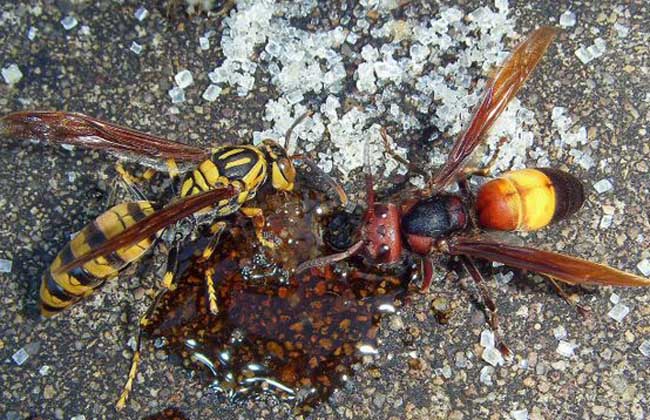
Wasps, also known as yellow jackets, hornets, ground king wasps, ground dragon wasps, red-headed wasps, large earth wasps, and so on, are not the same species as bees. They make their living by preying on insects, and most of the time wasps are beneficial insects. When a wasp is disturbed or provoked, it will sting. Most wasps are venomous. Let us take a look below at what to do if a wasp stings you!
The toxicity of wasps
The main components of wasp venom are histamine, serotonin, bradykinin, hyaluronidase, and so on. The venom is alkaline and is easily neutralized by acidic solutions. The venom has hemolytic, hemorrhagic, and neurotoxic effects, and can damage the myocardium, renal tubules, and glomeruli, especially the proximal convoluted tubules. It can also cause allergic reactions.
After being stung by a wasp, the stung skin immediately becomes red, swollen, and painful, and may even develop petechiae and skin necrosis. When the eye is stung, the pain is severe, with tearing and redness and swelling, and corneal ulceration can occur. Systemic symptoms include dizziness, headache, vomiting, abdominal pain, diarrhea, restlessness, and elevated blood pressure. The above symptoms generally disappear within several hours to several days. In severe cases, there may be drowsiness, generalized edema, oliguria, coma, hemolysis, myocarditis, hepatitis, acute renal failure, and shock. Some people who are allergic to bee venom may present with urticaria, anaphylactic shock, and so on.
What should you do if a wasp stings you?
The wasp's stinger is highly toxic. The venom of its stinger contains phospholipase, hyaluronidase, and a protein known as antigen 5. After being stung by a wasp, it should be treated promptly. If you are unfortunately stung by a wasp, the following measures should be taken on the spot:
1. If a venomous stinger remains in the wound, it can be picked out with a needle or tweezers, but do not squeeze it, so that the remaining toxin does not enter the body. For local cleaning, plain water is suitable. Then crush snake medicine tablets into powder, mix them evenly with tea or mineral water into a paste, and apply it externally to the wound. At the same time, take 10-20 snake medicine tablets orally. And promptly go to the nearest medical institution to use anti-allergy drugs and hormones.
2. When local pain from the sting is severe, 30 mg of emetine hydrochloride can be injected subcutaneously at the proximal end of the wound, or an analgesic can be taken orally.
3. For mild systemic symptoms, anti-allergy drugs can be taken orally. For severe cases, 0.5-1 ml of 1:1000 adrenaline can be injected subcutaneously or intramuscularly, or 100-200 mg of hydrocortisone or 5-10 mg of dexamethasone can be given by intravenous drip.
4. Once anaphylactic shock occurs and heartbeat and breathing stop, perform cardiopulmonary resuscitation immediately, and at the same time call 120.
5. After on-site emergency treatment, those with more severe symptoms should be sent to the hospital promptly for further treatment.
6. Folk treatment methods, such as applying freshly squeezed purslane juice topically, can be tried for milder cases.
Tip: After being stung, quickly cover the wound with saliva. In this way, the scent of the toxin cannot be released (quite practical). Other wasps cannot smell the scent of the toxin, cannot determine the attack target, and will not launch a group attack.
Precautions for wasp stings
1. A special reminder for everyone to take seriously is that no matter what the injury is, do not plug the wound with soil, rags, dirty handkerchiefs, or similar things, so as to avoid tetanus and cause man-made death.
2. The bees we commonly see are honeybees and wasps. If it is a honeybee sting, its stinger will remain in the human body, and the broken stinger can be pulled out first. Because honeybee venom is acidic, it can be washed with soapy water or ammonia water. After a bee sting, in mild cases the injured area shows red patches with a central petechial spot, papules, or hives, with a burning sensation and stinging pain. If there are no symptoms 20 minutes after the sting, you can be at ease.
3. When going out in autumn, if a wasp lands on your body, just gently shake it off. Never swat it. If you accidentally provoke a wasp and cause a swarm attack, use clothing to protect your head and neck, run away in the opposite direction, or lie down on the spot. Do not swat back, otherwise it will further enrage the swarm and lead to a fiercer attack.
4. When working in areas with dense yellow jackets, wear long clothes and trousers, pay attention to protecting the face and hands, and do not provoke yellow jackets.