How many levels of national protection does the masked palm civet have?
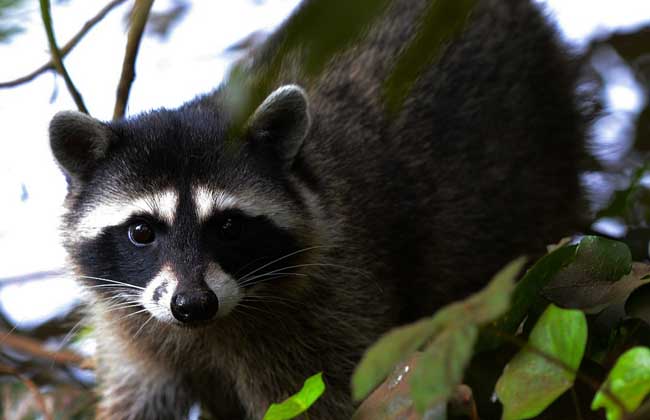
The masked palm civet is a wild animal with valuable fur belonging to the genus Paguma in the family Viverridae, order Carnivora. Its body color is yellow-grayish brown, its body is slightly plump, and its neck is thick and short, making it hard to distinguish from the body. There are currently 17 subspecies, 9 of which are found in China. The genus Paguma contains only this one species, and together with other species in the same family it belongs to the primitive group among carnivores. Do you know what protection level the masked palm civet has?
What protection level does the masked palm civet have?
The masked palm civet is a national second-class protected animal.
Protection level of the masked palm civet
The masked palm civet has been included in the "List of Terrestrial Wild Animals Protected Nationally as Beneficial or of Important Economic or Scientific Research Value" issued by China's State Forestry Administration on August 1, 2000.
Population status of the masked palm civet
There are quite a large number of masked palm civets bred and raised by civilians, but the status of wild populations is unclear, and substantial profits have led to a flourishing wave of poaching and trafficking of masked palm civets in various places. According to the "Wildlife Protection Law of the People's Republic of China", wild masked palm civets are protected animals.
On May 11, 2003, researchers from Shenzhen and Hong Kong isolated a SARS-like virus from masked palm civet specimens, and Beijing, Guangzhou and other places successively placed farmed masked palm civets under temporary sealed management.
In August 2003, China's State Forestry Administration determined the first batch of terrestrial wild animals that could be commercially operated and utilized, and the much-hyped masked palm civet would have the label of "prime culprit of SARS" removed and become a dish on citizens' tables.
In 2013, Yuen Kwok-yung, a professor of infectious diseases at the University of Hong Kong's medical school, said that the natural host of the SARS virus is a bat called the "Chinese horseshoe bat", and that the masked palm civet is only an intermediate host, not the natural host, and only then was the masked palm civet cleared of 10 years of injustice.