Planning and Design of Ground Cover Plants in Agricultural Sightseeing Parks
Agricultural sightseeing parks are a product of the tourism industry's development toward ecotourism and an innovative new form of tourism development. They have opened up new tourist attractions and satisfied people's new pursuit of travel. Below, let us take a look at the planning and design of ground cover plants in agricultural sightseeing parks!
Choose native ground cover plants
The landscape of an agricultural sightseeing park is characterized by rich local natural features, expressing natural harmony and relaxed ease. What visitors want is something native and original, not a graft of exotic styles. Native ground cover plants show strong adaptability, convey landscape information of local flowers blooming and fading, and reveal the roots of diverse folk activities such as gatherings, spring outings, and visiting friends. Therefore, it is necessary to choose local low-growing plants that are well liked. Planting these plants can both separate the recreation area from the agricultural production area and avoid affecting visitors' activities, but spiny, toxic, and large vine-type plants must not be used.
Create a friendly and pleasant atmosphere
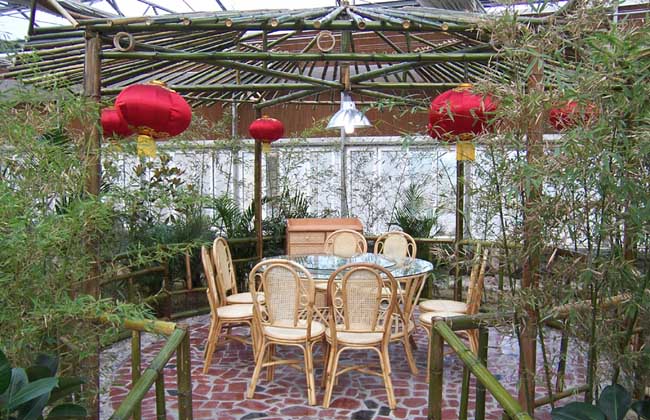
Outings are a human activity, not pure protection of wild plants. To add service functions to the agricultural production area, it is necessary to understand the needs of the service recipients. The content of urban residents' leisure vacations generally includes the following: production experience, horticultural therapy, farm meals, and leisure strolling. Their common points are loose small groups, unhurried roaming without strong time constraints, and personalized participation. The direct need is pleasant small spaces against the background of a large agricultural landscape. Therefore, the creation of pleasant spaces is the entry point for landscape construction in agricultural sightseeing parks. Using ground cover plants in the large farmland landscape to create small-scale pleasant spaces is also a landscaping method with strong distinctive features, small investment, and quick results.
Adapt to conditions of extensive management
The purpose of agricultural park management is to harvest primary agricultural products. The main content of management is the sowing, seedling establishment, shaping, intertillage, pest and disease control, and final harvesting of the harvested targets; the means of management gradually implement mechanization. Sightseeing income is only a by-product, at least auxiliary in the early stage of construction. Therefore, management in terms of landscape is extensive. The duration of the landscape is affected by the plants' ability to occupy space, requiring strong adaptability and expansiveness. Therefore, a certain capacity for self-seeding, root-sucker sprouting, creeping stem-node division, and seedling establishment is necessary.
Regulate the monotony of the base plant landscape
The intensive management of farmland species and the repetition of cultivated patches both make the landscape relatively monotonous, so ground cover plants with long ornamental periods, diverse ornamental parts, and strong plasticity of plant form should be selected. According to differences in shade degree, humidity, wind force, terrain, soil conditions, and management measures, they show positive growth responses. Because the changes in ground cover plant scenery close to visitors set off different landscape scenes. This is the application of the landscaping technique of “seeking difference within sameness”.