What is the difference between fengli and pineapple? One article explains the differences between the two
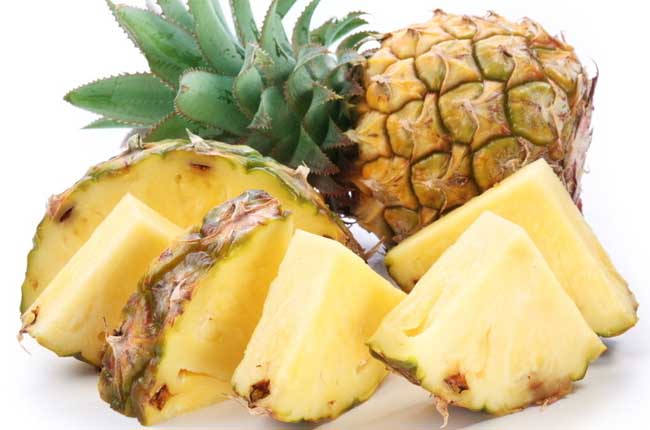
Is there a difference between fengli and pineapple? It is believed that many people have never thought about this question, and fengli and pineapple can be said to be fruits that are all too familiar in our daily lives. If someone suddenly asks what the difference is between fengli and pineapple, it is believed that very few people know. So below, the editor will tell everyone.
The difference between pineapple and fengli
Fengli and pineapple are not the same fruit, but two fruits that look similar. The differences between the two are:
1. The leaves of pineapple have obvious serrations, while fengli leaves are relatively smooth.
2. The skin of a ripe pineapple is yellow, while the skin of fengli is light green.
3. After peeling, pineapple must have the prickly roots removed, while fengli has no prickly roots.
4. After cutting, pineapple must be soaked in salt water to remove the sour and astringent taste, while fengli can be eaten directly.
The nutritional value of pineapple
Pineapple fruit has excellent quality and is rich in nutrients, containing large amounts of fructose, glucose, vitamins B and C, phosphorus, citric acid and protease and other substances. Every 100 grams of pineapple contains 87.1 grams of water, 0.5 grams of protein, 0.1 grams of fat, 1.2 grams of fiber, 0.1 milligrams of nicotinic acid, 126 milligrams of potassium, 1.2 milligrams of sodium, 0.08 milligrams of zinc, 8.5 grams of carbohydrates, 20 milligrams of calcium, 6 milligrams of phosphorus, 0.2 milligrams of iron, 0.08 milligrams of carotene, 0.03 milligrams of thiamine, 0.02 milligrams of riboflavin, 8~30 milligrams of vitamin C, 0.3 grams of ash, and also contains various organic acids and bromelain, etc.
Pineapple is neutral in nature, sweet in taste, slightly sour, slightly astringent, and slightly cold in nature. It has effects such as clearing summer heat and relieving thirst, promoting digestion and stopping diarrhea, tonifying the spleen and stomach, consolidating vitality, benefiting qi and blood, promoting digestion, removing dampness, and nourishing the face and losing weight. It is an excellent seasonal fruit for both medicine and food in summer, but it should not be eaten too much at one time.
The nutritional value of fengli
Fengli is rich in nutrients. Its components include sugars, protein, fat, vitamin A, B1, B2, C, proteolytic enzymes, and calcium, phosphorus, iron, organic acids, nicotinic acid, etc., especially with the highest content of vitamin C.
Fengli is sweet in taste, slightly sour, and slightly cold in nature. It has the effects of clearing heat and relieving summer heat, promoting body fluid and relieving thirst, and promoting urination. It can be used for symptoms such as summerheat injury, fever and thirst, stuffiness in the abdomen, indigestion, difficult urination, and dizziness and blurred vision. Moreover, in the fruit juice, it also contains an enzyme similar to gastric juice, which can break down protein and help digestion. Delicious fengli, this fruit can not only help with weight loss, but also has different effects on health.