How to grow a Clivia miniata well? Choosing the pot, choosing the soil and the repotting method are key
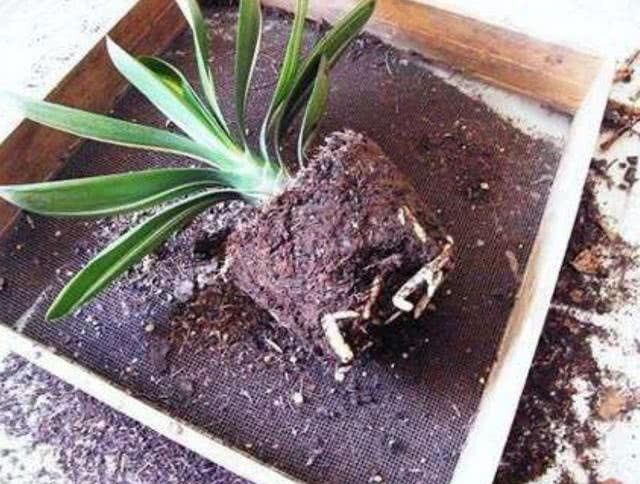
To grow a Clivia miniata well, the right choice of pot, soil and repotting method is key. Clivia miniata likes loose, fertile, well-drained soil. As for choosing the pot, experienced growers always remind everyone to choose a small pot for a small plant and a large pot for a large plant. For Clivia miniata, this is especially important! Why? There are two main reasons.
Reason one: to grow flowers, first grow the roots. A Clivia miniata in the seedling stage grows roots first and then leaves; the roots hang down naturally and absorb water and nutrients through the root hairs on the fleshy root system. When the pot is small, once the roots grow to a certain extent they spread toward the sides of the pot and coil around as they grow. When the roots touch the edge of the pot, the plant begins to grow new leaves.
Reason two: the fleshy root system of Clivia miniata grows quickly and has high nutritional demands on the potting soil. Generally, after a Clivia miniata has grown for one year, the nutrients in the potting soil are already used up, so it is recommended to change the potting soil once a year. Since you have to repot every year, there is no need to use a large pot; moreover, if the pot is too large, the fleshy roots cannot reach the soil at the edge of the pot, and over time that soil becomes compacted, which is bad for the growth of Clivia miniata.
The correct way to repot Clivia miniata: because the fleshy root system grows downward, it is recommended to choose a slightly deeper pot with good drainage and air permeability for Clivia miniata. The diameter of the pot should be close to or slightly smaller than the spread of the plant. Clay pots or purple clay pots have better air permeability, so they are the first choice of pot for Clivia miniata. If you choose a plastic flowerpot, be sure to choose one with more drainage and air holes at the bottom to prevent waterlogging and root rot.
For the soil mix, it is recommended to use decomposed leaf mold plus pine needles (or peanut shells), river sand and chicken manure in a ratio of 5:3:1:1. You can also add a small amount of crushed charcoal, which sterilizes and disinfects and helps reduce root rot. If you find this too much trouble, you can also buy special Clivia miniata soil online. Before potting, you can add a small amount of decomposed organic fertilizer at the bottom of the pot as a base fertilizer; the base fertilizer must be kept separate from the plant's roots to prevent direct contact and root burn. Clivia miniata likes oil-bearing crops. After the plant is placed in the pot, when the potting soil has been added to two thirds, add an appropriate amount of waist fertilizer along the wall of the pot, such as roasted hemp seeds, peanuts or sunflower seeds, crushed into granules, which makes it easier for Clivia miniata to absorb. After filling with soil, press the potting soil firm to prevent the plant from falling over. The base fertilizer and waist fertilizer will be slowly absorbed by Clivia miniata as it grows later, making the leaves glossy and the texture deep.
Some flower growers think that the leaf mold for Clivia miniata already contains abundant nutrients and that there is no need to add base fertilizer and waist fertilizer. Doing so is also acceptable, but to ensure a sufficient supply of nutrients during the growth of Clivia miniata, you can apply additional compound fertilizer with a full range of nitrogen, phosphorus and potassium during the vigorous growth period. Autumn is the bud-setting period for mature Clivia miniata, and phosphorus and potassium fertilizer can be applied 2~3 times a month to promote flower bud differentiation.