The Complete Guide to Carp Fishing Techniques and Bait Recipes
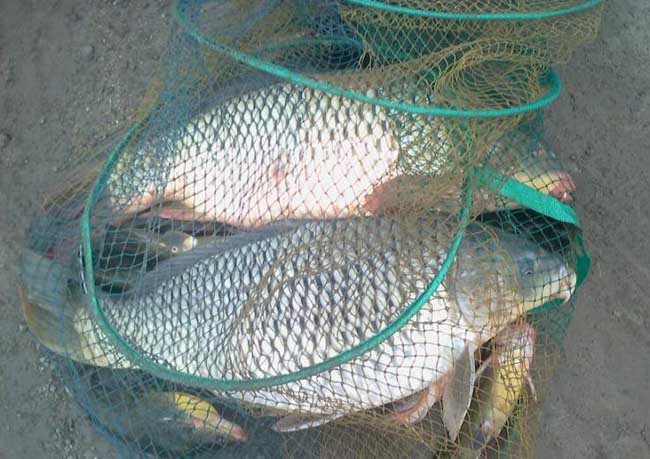
Carp are bottom-dwelling omnivorous fish that eat both meat and plant matter, with a broad diet, well-developed lip bones, and a habit of rooting through mud to feed. From mid-spring to early summer (late March to mid-May) is the carp spawning season and also a period when carp are relatively active. Below, the editor introduces carp fishing techniques and bait recipes!
Carp Fishing Techniques
1. Finding the traces of carp: Carp are very cunning, and wild carp especially so. They are timid, alert, and highly vigilant, and they are very cautious in both movement and feeding, not readily taking the hook. To fish for carp, the first step is to find their traces. Carp love to root through mud in search of food, which produces uniform, dense bubbles rising in strings of dozens at a time, often moving about and rising one after another, spherical and often accompanied by muddy water rising up. Once you find the carp bubbles, you have found where the carp are.
2. Understanding their feeding patterns: Carp are a schooling, foraging fish. Carp feed differently from other fish: they seldom linger in one spot for long, but move forward as they feed, sometimes turning back to eat again, repeating this cycle continuously. Once satiated, they swim to nearby deep-water areas or other suitable waters to rest and shelter, and will not remain in the food area for long.
3. Carp fishing requires patience: Based on the feeding habits of carp, fishing should adopt the "wait for the rabbit by the stump" method (bottom fishing). After choosing a good spot, you must hold your position and wait patiently. After some time, you may lift the rod and change to fresh bait. Especially when fish bubbles appear around the spot, do not frequently lift the rod to tease the fish as you would when fishing for crucian carp, otherwise the timid, alert, and cunning carp will be scared away. Practice has shown that changing bait too often and lifting the rod mistakenly too many times will inevitably disturb the carp's feeding and cause you to miss the opportunity to hook them.
4. Lift the rod straight and steady: Carp take the hook differently from other fish. They do not take bait rashly but always carefully take the bait into their mouths, test it, taste it, then spit it out, take it in again to taste, then put it down again, sometimes repeating this many times without rashly swallowing it. Therefore they swallow slowly and lightly, and swim away immediately after feeding. The float reaction is a large downward sink (full float disappearance) or lateral or diagonal movement, with the float tip gradually going from high to low and slowly sinking into the water. Lift the rod in time and you will certainly hook a fish. After being hooked, carp struggle strongly, flee swiftly, and have great stamina.
5. Handling after hooking: First raise the hand rod and quickly lead the fish away from the fishing spot (to avoid scaring away the school of fish in the spot), and lift it out of the water so the fish cannot struggle and flee in the water. If the fish is large, when playing it, make the line move slightly faster than the fish swims, so the fish follows the line, turning passive following of the fish into actively leading the fish, controlling the fish's direction of travel. After the fish is exhausted, scoop it ashore with a landing net. If you encounter a big carp "staking" (holding still on the bottom), hold the rod and keep steady tension for a while, then shake the rod to sting the fish and make it swim upstream. When playing the fish, keep the hand rod in a bow shape and hold it as high as possible so the fish's head faces upward; this way the fish can only dart upward. After the fish is played out and turns belly-up, place the landing net underwater in advance, aim the net at the fish's head, and scoop in the direction of the fish's body to bring it ashore.
6. Adapt in time: Carp are easily disturbed by the outside world and will swim to quiet waters, "quiet spots," to hide. "Quiet spots" are mostly secluded places where fish are not usually found, such as corner areas along the bank, the head areas of long shallows, the central areas of larger waters, and so on. If you encounter many people fishing, you should promptly analyze and judge the situation and, without missing the opportunity, move to calm waters or waters farther from the bank to fish; you will surely achieve better results.
Carp Fishing Bait Recipes
1. Fishing bait
① Pellet feed.
② Pellet feed soaked open with beer and kneaded together with white flour.
③ Pellet feed soaked open with pond water and kneaded together with white flour.
④ 1/2 pellet feed (soaked open with pond water), 1/2 Dongjun carp bait, plus 2-3 tablespoons of honey, kneaded together with white flour. To ensure the bait is fresh and has the right flavor, it should be made before going fishing. For example, soak the pellet feed open the night before the fishing trip, get up early in the morning, mix the other baits (additives) together, knead them, and seal them in a plastic bag for later use. All four baits above work well, with the fourth being the best.
⑤ When fishing in wild rivers and reservoirs, besides the above baits, you can also use fresh tender corn kernels (or tender corn kernels soaked in white liquor, or tender corn kernels preserved with white sugar), earthworms, insects, and so on.
2. Chum
① Pellet feed sprayed with white liquor and sealed in a plastic bag (left to steep overnight).
② 1/3 pellet feed (soaked open with water), 1/3 cornmeal, 1/3 white flour, plus some white sugar, made into steamed buns, steamed, cooled, cut into small pieces, and stored in a plastic bag in the freezer for later use; they can also be sun-dried and sealed for storage. Spraying a little white liquor before use is even better.
③ When fishing in wild rivers and reservoirs, besides the above two chums, you can also use small pieces of soybean cake or tender corn nibbled off and lightly chewed to make a chum, with very good results. When using chum, you can use a single kind or mix several kinds, adjusting flexibly.