What exactly are the main components of wood ash?
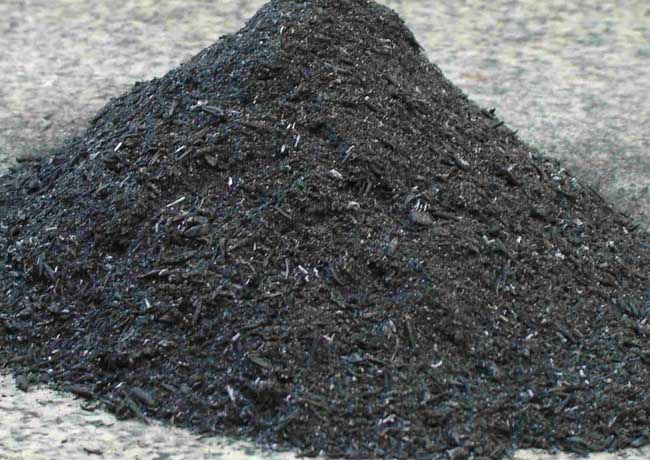
After crop straw, husks and shells, firewood and grass, and dead branches and fallen leaves (plant residues) are burned, the remaining ash is called wood ash. Because the burned materials differ, the wood ash generally left behind accounts for about 5-20% of the burned material. The main component of wood ash is potassium carbonate (K₂CO₃), and in traditional agricultural production it is an important source of fertilizer.
The main components of wood ash
The main component of wood ash is potassium carbonate (K₂CO₃), with a relative molecular mass of 138. Because wood ash is the ash left after plants are burned, wood ash fertilizer contains almost all the mineral elements that plants contain.
1. The element with the highest content in wood ash is potassium, generally 6-12%, of which more than 90% is water-soluble and exists in the form of carbonate.
2. The second highest content in wood ash is phosphorus, generally 1.5-3%.
3. Wood ash also contains calcium, magnesium, silicon, sulfur and trace nutrient elements such as iron, manganese, copper, zinc, boron and molybdenum.
The ash of different plants has different nutrient contents, with sunflower straw having the highest potassium content (see table). When wood ash is applied at an equal potassium rate, its fertilizer effect is better than that of chemical potassium fertilizer. Therefore, it is an inorganic farmyard manure with a wide range of sources, low cost, complete nutrients and obvious fertilizer effect.
The main sources of wood ash
1. Daily life: Rural household earthen stoves mostly burn firewood and grass, and the wood ash produced should be collected at any time according to the above method.
2. Production: Straw that cannot be transported back for use at the edges of fields is mostly burned on the spot. Note that it should be burned in a centralized way, and the wood ash should be collected and returned to the field.
3. Factories: Some power plants use straw and other materials as power generation raw materials. The large amount of wood ash produced after combustion can be returned to the field as high-quality potassium fertilizer. It can be made into bagged commercial wood ash fertilizer. After adding other ingredients, it can also be made into wood ash fertilizer with multiple uses. Some plastic products factories also produce a large amount of wood ash when burning boilers; they burn only firewood, and the ash produced is pure white wood ash or grayish-white, powdery, with no impurities at all, and testing shows a pH value of about 12.
Storage methods for wood ash
Wood ash is light and alkaline; when dry it is easily blown away by the wind, when wet it is easily carried away by water, and contact with nitrogen fertilizer easily causes volatilization loss of nitrogen. Therefore, the following methods should be adopted to accumulate wood ash:
1. Warehouse storage: Farmers with the conditions should build a permanent wood ash warehouse and pour the ash into it every day so as to accumulate it. The ash warehouse should have a rain shelter, the ground should be high (to avoid standing water), it should be hardened, and it should be moisture-proof.
2. Bagging: If conditions permit, the wood ash should be promptly put into plastic bags and sealed for storage.
3. Separate storage: Mixing and piling it with other farmyard manure must be strictly avoided. Some farmers are used to pouring wood ash into water pits and mixing and composting it with organic fertilizer, straw, etc., and others use wood ash as bedding in toilets or mix and pile it with human excrement and urine or barnyard manure. Doing so is very wrong. Because wood ash is alkaline, the result of the above practices is that the nitrogen in the organic fertilizer volatilizes and the fertilizer effect is reduced. Handling wood ash in this way not only causes waste of fertilizer but also causes environmental pollution.