What are the harms of eucalyptus? A comprehensive look at the impact of eucalyptus
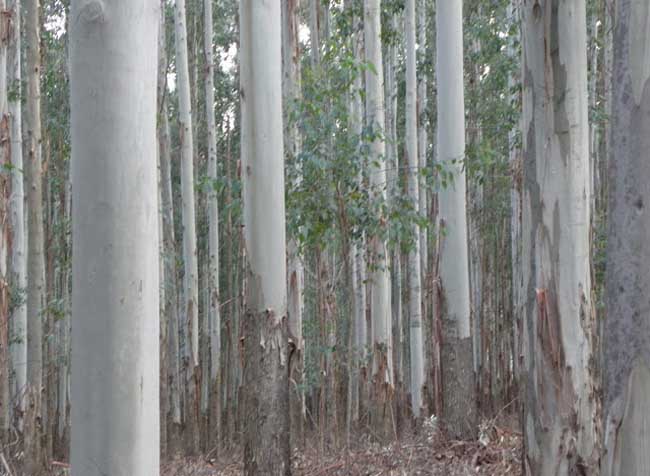
While eucalyptus benefits society, it also sows environmental problems that cannot be ignored. It grows fast and can create enormous economic benefits, and it is a high-quality raw material for papermaking and the production of engineered wood and other products. In fact, many people do not know about the harms of eucalyptus. Large-scale planting of fast-growing eucalyptus requires large amounts of nutrient elements and can easily lead to poor soil, declining soil fertility, and drought, causing the degradation and death of native species and severely damaging the ecological environment, while underground rivers and streams dry up and stop flowing. According to the authoritative opinions of the Institute of Ecology and Environment of the Chinese Academy of Sciences, Southwest Forestry University, and the National Forestry Administration, the harms of large-scale eucalyptus planting are very great, mainly reflected in the following aspects:
Eucalyptus is a "water pump"
Eucalyptus is a fast-growing, high-yield forest with a very strong transpiration effect and an enormous demand for soil moisture. Introducing eucalyptus on a large scale will cause the groundwater level to drop, and its ability to retain water is very poor. Over time, the land surface becomes compacted, and land desertification also appears.
Eucalyptus is a "fertilizer pump"
Eucalyptus has an enormous demand for soil fertilizer and nutrients. Wherever eucalyptus is planted, soil fertility declines or even becomes exhausted. Because the original vegetation cannot obtain enough fertilizer and nutrients, it is severely damaged, triggering land degradation, worsening soil and water conservation, and poor soil. By then, introducing other plants will make it impossible for them to survive at all.
Eucalyptus is a "tyrant tree"
Eucalyptus secretes a chemical substance that inhibits and excludes the growth of other plants, making it impossible for plants beneath the eucalyptus to grow, and it is extremely suppressive to local native, indigenous, and naturally occurring species. When it grows, other species cannot grow, and the ecology will suffer subversive damage that is difficult to restore.
Eucalyptus is a "toxic gas tree"
Eucalyptus itself is not toxic, but the rubber-based hydrocarbons released by eucalyptus combine with carbon dioxide to form ozone. The odor it gives off has an irritating and toxic effect on the human body and will threaten the health of local people. The chemical products applied to eucalyptus are highly toxic and long-lasting, and eucalyptus gas has irritating and toxic effects. When certain highly toxic and long-lasting chemical products are applied during eucalyptus planting, once such a product is applied to the land, it will be very difficult to clean up completely, it will greatly pollute water quality, and after people and livestock drink it, it will cause immeasurable harm. In addition, the odor given off by eucalyptus has an irritating and toxic effect on the human body and will threaten the health of local people.
Since eucalyptus was introduced into China, the exotic species Eucalyptus grandis has brought serious ecological harm to many regions of China: reduced biodiversity, soil erosion, soil impoverishment and desertification, and so on. In recent years, this harm has been intensifying day by day. Mixed forests, natural forests, secondary forests, and even primary forests in many regions are being destroyed, and many precious native natural tree species and other plants have become extinct or are heading toward extinction. The original native mixed forests, natural forests, secondary forests, and even primary forests are being artificially converted into pure plantations of Eucalyptus grandis.