What are the four major nuts of the world?
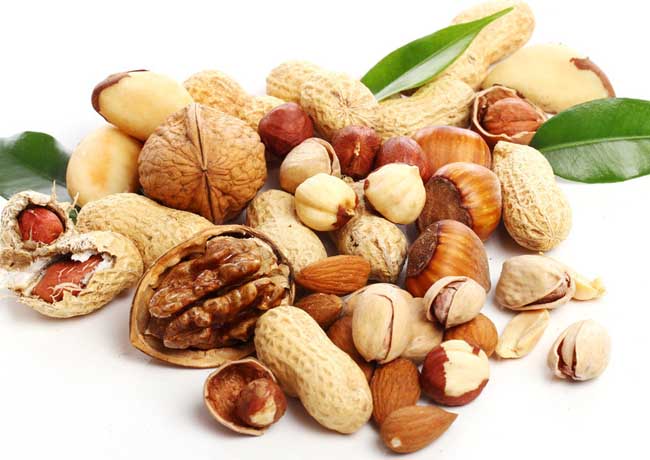
The four major nuts of the world are hazelnuts, walnuts, almonds, and cashews. Their common characteristics are a hard outer shell containing oily, edible seeds, and relatively rich nutritional value. All four major nuts of the world are cultivated in our country. Let's take a look at these four major nuts of the world together below!
Hazelnut
The hazelnut is one of the four major nuts and also one of the important nut tree species. It is a woody oil tree species, a plant of the genus Corylus in the family Betulaceae. There are 16 species worldwide, mainly distributed in Asia, Europe, and North America. The fruit resembles a chestnut, is oval, and has a yellowish-brown shell. The kernel is fragrant, sweet, and oily, and matures and is harvested in autumn. The main producing area is Turkey. In our country, large-scale cultivation and planting of hazelnuts is relatively rare, but in the vast mountainous areas of the Northeast and North China, there are wild varieties, which local people collect and sell as mountain products.
Hazelnuts contain the 8 amino acids essential to the human body as well as various trace elements and minerals. Their content is several times to dozens of times that of other nuts. Among these, phosphorus and calcium are beneficial to the development of human bones and teeth, and the element manganese has a nourishing and strengthening effect on tissues such as bones, skin, tendons, and ligaments. Hazelnuts are rich in fats, mainly unsaturated fatty acids that the human body cannot synthesize on its own. On the one hand, they can promote cholesterol metabolism, and on the other hand, they can soften blood vessels and maintain the health of capillaries, thereby preventing and treating cardiovascular diseases such as hypertension and arteriosclerosis. Hazelnuts also have the effects of promoting digestion, increasing appetite, improving memory, and preventing aging.
Hazelnuts are rich in oils, which helps the absorption of fat-soluble vitamins in the human body and has a good nourishing effect on people who are frail, weak after illness, or easily hungry. Hazelnuts have a natural fragrance and become more fragrant the more they are chewed in the mouth, and have the effect of stimulating appetite. Hazelnuts contain the anticancer chemical component taxol, which is the active component in taxine; this drug can treat ovarian cancer, breast cancer, and some other cancers, and can prolong the patient's life span. Traditional Chinese medicine believes that hazelnuts have the effects of tonifying the spleen and stomach, boosting energy, and improving vision and movement, and are quite beneficial for symptoms of lung and kidney deficiency such as diabetes, night sweats, and frequent nocturia.
Walnut
The walnut is one of the four major nuts, also known as the Persian walnut or Qiang walnut, and is a plant of the family Juglandaceae. Walnut kernels are rich in nutrients, containing 15-20 grams of protein per 100 grams, relatively high fat, and 10 grams of carbohydrates; they also contain various trace elements and minerals essential to the human body such as calcium, phosphorus, and iron, as well as various vitamins such as carotene and riboflavin. They are beneficial to the human body and can strengthen the brain, and are one of the nut foods deeply loved by ordinary people.
Walnuts are produced in North China, Northwest China, Southwest China, Central China, South China, and East China, and southern **. They are distributed in Central Asia, West Asia, South Asia, and Europe. They grow on slopes and hilly areas at an altitude of 400-1800 m, and are commonly cultivated in plain and hilly areas of China.
Almond
The almond is one of the four major nuts and is a plant of the family Rosaceae, including the kernels of the apricot tree and the kernels of the almond tree. When the fruit matures each season, after the almond shell is cracked open, one sees the slightly flat oval almond covered by a brown skin. The almond is the fruit of a crop that grows in the warm temperate zone, so it likes a warm climate environment with sufficient sunlight; therefore, most almond trees are generally planted in sunny places where they can bathe in sunlight.
The kernel of the almond contains 20% protein and no starch. After grinding and pressing, the oil extracted is about half of its own weight. Almond oil is pale yellow; although it has no fragrance, it has the effect of softening the skin.
Cashew
The cashew is also known as the cashew tree, chicken cashew, or Jieshou fruit. It is an evergreen tree with an upright trunk, reaching up to 10 m in height. The cashew is a kidney-shaped nut, of the genus Anacardium in the family Anacardiaceae, order Sapindales. It has rich nutritional value, can be used in cooking, and can also be used medicinally. It is one of the world's four famous major nuts.
The cashew is very rich in nutrition, containing as much as 47% fat, 21.2% protein, and 22.3% carbohydrates. It also contains various vitamins such as A, B1, and B2 and minerals, especially trace elements such as manganese, chromium, magnesium, and selenium, which have antioxidant, anti-aging, anti-tumor, and anti-cardiovascular disease effects. Most of the fats it contains are unsaturated fatty acids, among which oleic acid accounts for 67.4% of the total fatty acids and linoleic acid accounts for 19.8%, making it a good dietary fruit for patients with hyperlipidemia and coronary heart disease.
The vitamin B1 content in cashews is second only to that in sesame and peanuts, and it has the effect of replenishing physical strength and eliminating fatigue, making it suitable for people who are easily tired to eat.