What kinds of animals are beneficial to humans?
Do you know what animals are beneficial to humans? Thousands of small animals live around us. Do you know which ones are beneficial? Below, the editor of Qannong Net will introduce some common animals that are beneficial to humans!
Dragonfly
Dragonflies generally fly over ponds or rivers and prey on flying insects. In addition to being able to prey in large numbers on mosquitoes, flies and other insects harmful to humans, they are truly beneficial insects, and some can also prey on butterflies, moths and bees.
Frog
Frogs are no exception; they are also experts at catching pests. However, they live beside ponds near crops, and sometimes they also go to the edges of crop fields to catch pests. People all call them good helpers in protecting crops. Some children go to the edge of ponds, catch frogs, and after going home, eat the frogs. We should put up a sign beside the pond with “Protecting frogs is everyone's responsibility” written on it, so that no one will catch frogs.
Little swallow
The little swallow is also an expert at catching pests. It lives in a nest in a big tree, and it catches pests in the sky. We should set up a forest reserve and let the little swallows and other protected animals move in. In this way, both the little swallows and other animals are protected.
Snake
Snakes mainly feed on rats. Snakes are unattractive in appearance, with peculiar shapes and colors, bodies covered in scales, heads and necks held high, bodies and tails swinging, moving quickly, calling when seeking mates, and swimming across water; they are really hard to make people like. Snakes like to live in shaded, damp, rarely visited places with luxuriant weeds, dense trees, tree holes from stumps or piles of rocks, and environments with woodpiles, haystacks and old ridge earth walls, and abundant food. These are all places where they live, appear and reproduce, and some snakes live in water.
Gecko
Geckos are animals that hide by day and come out at night. During the day, they hide in concealed places such as wall cracks, under tile eaves, and behind cupboards. At night, they come out to be active. On summer and autumn nights, geckos often appear on walls, under eaves or on utility poles illuminated by lights, preying on mosquitoes, flies, moths and spiders, and the like. They are beneficial and harmless animals.
Owl
Owls feed mainly on rodents, and also eat insects, small birds, lizards, fish and other animals.
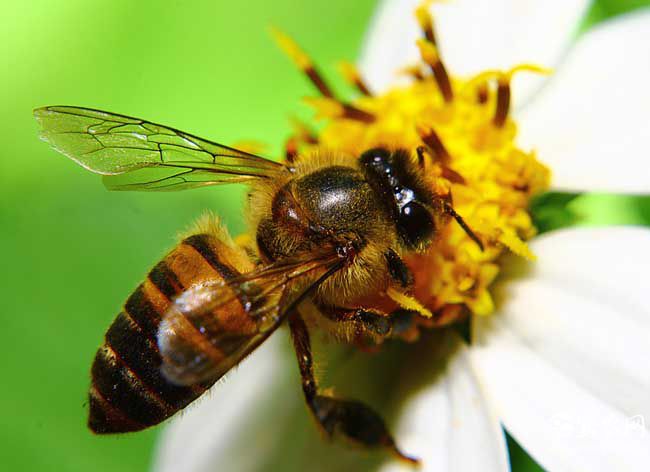
Little bee
The little bee is the most hardworking small animal. They collect nectar and also pollinate, increasing the yield of many crops.
Woodpecker
The woodpecker is the doctor of the forest. They can pull borers out of tree trunks, and each day eat thousands of pests.
Earthworm
The earthworm is a beneficial animal. It lives in the soil, burrowing back and forth in the soil and making many holes, loosening the soil, so that air and water can seep into the soil; this is beneficial to the growth of plants and crops.
Cuckoo
A cuckoo can eat more than 100 pine caterpillars a day, and is honored as the “forest guard”.
Bat
A bat can eat 100 to 1000 pests in one night. It is the only mammal that can fly, and its superb echolocation ability is even more impressive than ours.
That is all for the introduction of animals beneficial to humans for now. Of course, besides these, there are many other animals, and the editor will not explain them one by one for everyone. Protect small animals, let us start from those around us!