There is a right time to spray pesticides in summer; choosing the right time makes it more effective
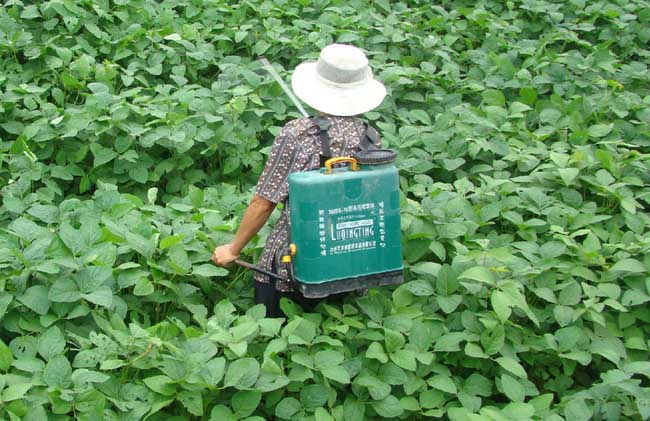
When spraying pesticides in summer, whether for grain crops, vegetable crops, cash crops, or fruit trees, the best times are around 8 to 10 a.m. and around 5 p.m. This is because: around 9 a.m., the dew has generally dried and the temperature is not yet too high, which is exactly when day-active pests are at their most active in feeding, moving about and mating, so applying the pesticide at this time will not reduce its efficacy by being washed off or diluted by dew, nor will high temperatures cause the pesticide to break down and affect its efficacy. On the contrary, applying the pesticide at this time actually increases the chances of pests feeding on and coming into contact with it, effectively boosting the pesticide's killing power. Around 5 p.m., the sun has already moved to the west, the light gradually weakens, and night-active pests begin to become active (feeding, mating and other activities), so spraying at this time likewise has a relatively high killing effect.
Also note that spraying pesticides at noon is not advisable. This is because at that time the temperature is high and the sunlight is strong, and some pests fear strong light and hide in shaded places, or even stop activity. In addition, at high temperatures the pesticide breaks down quickly, so its efficacy is instead reduced. At the same time, pesticide sprayed at noon generally evaporates quickly, which can easily lead to poisoning of people and livestock.