What are the precautions for the safe use of pesticides in summer?
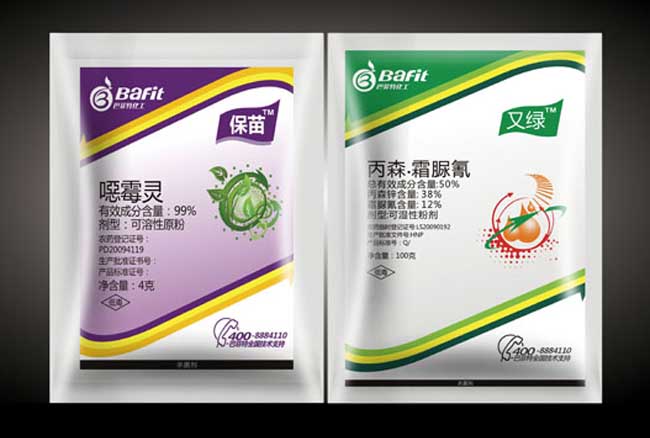
As temperatures keep rising in summer, new requirements are also placed on pesticide application, so what should be noted when using pesticides in summer?
Precautions for the Safe Use of Pesticides in Summer
1. Apply pesticides safely and do not use highly toxic pesticides. When mixing and applying pesticides, prevent the pesticide from corroding the skin, and do not spray pesticides during the high-temperature period at noon in summer. Do not apply pesticides continuously for too long, and keep the pesticide liquid properly stored at the spraying site to prevent poisoning of people and livestock. This is especially true for biological pesticides: ultraviolet light in sunlight has a killing effect on spores. After 30 minutes of direct light exposure, about 50% of spores can die, and after 1 hour of exposure, the mortality rate can reach more than 80%. Therefore, when applying biological pesticides, this can be done after 4 p.m.; on cloudy days without moderate to heavy rain, they can be applied all day.
2. Strictly control the application rate. All pesticides should be used according to the recommended dosage; arbitrarily increasing or decreasing the amount can easily cause crop phytotoxicity or affect the control effect.
3. Apply pesticides at the right time; only when the timing is right can the control effect be ideal. For example, protective fungicides must be used before disease onset or in the early stage of disease, and herbicides should be applied correctly according to their formulation type, such as pre-emergence application and foliar treatment.
4. On sunny days, the application time is 7-9 a.m., and the best application time is 4-6 p.m.
5. Mix pesticides reasonably. After mixing, they must not increase toxicity to humans and livestock, the active ingredients must not undergo chemical changes, and the cost of pesticide use must not be increased.
6. Spray evenly and thoroughly, without repeated spraying or missed spraying, to ensure safety for crops and effectiveness against diseases, insects, and weeds.
7. Treat the target specifically. There are many types of pesticides with different characteristics, so the most suitable pesticide should be selected according to the target to be controlled.
In addition, if the pesticide effect is very poor or phytotoxicity occurs, the pesticide should be sent promptly to a pesticide testing unit for inspection, and timely remedial measures should be taken when phytotoxicity occurs. The first is fertilizer remediation: for phytotoxicity symptoms such as spots on leaves, scorched leaf margins, or plant yellowing, foliar topdressing is generally used for remediation; the second is for herbicide phytotoxicity that inhibits or interferes with plant growth, gibberellin can be sprayed to alleviate it.