How much does a Tibetan Mastiff puppy roughly cost?
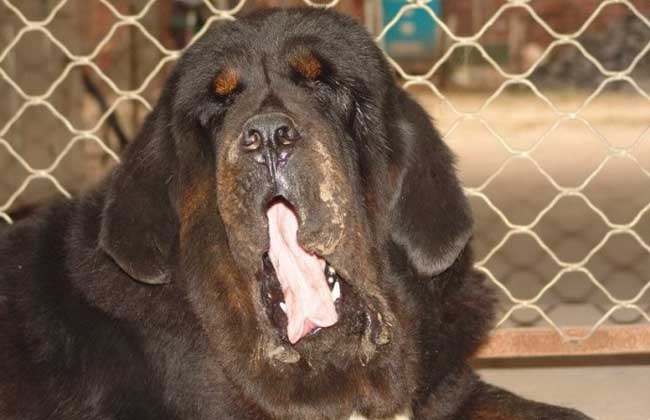
The Tibetan Mastiff is a large and fierce breed of dog, originally from the Qinghai-Tibet Plateau, with a strong, noble and proud temperament, great strength, agile and nimble movements, and poor endurance. Puppies have relatively poor memory before adulthood. Its typical traits are high alertness, extremely strong territorial awareness, extreme loyalty to its owner, strong hostility toward strangers within its territory, and skill at protecting its owner and their property. Let's take a look below at how much a Tibetan Mastiff puppy costs!
How much does a Tibetan Mastiff puppy cost?
City Price City Price City Price Beijing 5000 yuan Guangzhou 5000 yuan Shenzhen 5000 yuan Dongguan 5000 yuan Shanghai 1200 yuan Suzhou 1200 yuan Jingdezhen 3500 yuan Guiyang 3500 yuan --Note: Generally speaking, the price of a Tibetan Mastiff puppy is around 1500 yuan each, and there are also small Tibetan Mastiffs priced at 500 yuan or even 300 yuan each. The price depends entirely on appearance and coat volume, and there are also Tibetan Mastiffs priced as high as a million. The highest auction price so far is 2 million yuan for a Chigu Tibetan Mastiff, an astonishingly high price!
What food do Tibetan Mastiff puppies eat?
1. Puppy-specific food: such as dog food and canned food. The better option is milk cake, which is convenient and nutritionally balanced and suitable for puppies; the downside is the high price, generally 18-25 yuan per jin.
2. Calcium: supplement with calcium products with high natural content such as Super Calcium to promote the development of the puppy's bones and teeth.
3. Milk powder: there is special puppy goat milk powder.
4. Egg yolk: the advantage of egg yolk is that it not only contains rich protein, but also contains vitamin A, calcium and minerals that are easy to digest and absorb
5. Vitamins and minerals: for puppies with a weaker constitution, consider supplementing some extra vitamins and minerals. You can consider feeding 21 Golden Vitamins, and there are also pet-specific puppy Golden Vitamins.
6. Meat: although beef, pork, chicken and so on are excellent foods, when feeding puppies it is advisable to choose parts without fat, because fat spoils easily. But feed it cooked, do not feed raw meat.
Rearing techniques for Tibetan Mastiff puppies
1. Cold protection and heat relief: Tibetan Mastiff puppies have very poor body temperature regulation, and the ambient temperature has a great influence on the life activities of the puppies, so special attention must be paid to the indoor ambient temperature. In winter, lay plastic film on the iron frame net to prevent cold wind from invading, and seal the front and rear windows tightly with plastic film. In summer, the plastic film should be removed, and climbing plants such as grapes and gourds should be grown on the iron frame net to shade the Tibetan Mastiff puppies.
2. Strengthen nursing: newborn Tibetan Mastiff puppies mainly drink breast milk, but the milk output of the nursing mother Tibetan Mastiff gradually declines after 20 days, while the puppies' milk demand increases day by day. Therefore, supplementary feeding must be done in time, supplying the mother Tibetan Mastiff with fresh, high-quality, easy-to-digest and absorb animal and plant feed to ensure the mother Tibetan Mastiff has sufficient milk.
3. Improve nutrition: Tibetan Mastiff puppies develop relatively quickly 1 month after birth, with a strong appetite, and breast milk can no longer meet their needs, so supplementary feed should be given, feeding some liquid food with high nutritional value, easy digestion and absorption, and good palatability. For example, add milk powder, meat broth, cooked egg yolk, thin porridge and so on to fresh milk, plus some cod liver oil, multiple vitamins and bone meal, otherwise the puppies will be malnourished and thin, affecting their growth and development.
4. Feed an appropriate amount: Tibetan Mastiff puppies have a small stomach capacity, so it is best to feed small amounts more often, 5-6 times a day. As the age in days increases, the diet concentration and daily feeding amount should gradually increase to adapt to the puppies' increasing daily weight gain. After feeding, if there is still food left in the bowl, it indicates too much food. On the contrary, if the dog keeps licking the bowl or looking at the owner after eating, it means the food given was too little and not enough.
5. Clean drinking water: when supplying drinking water to Tibetan Mastiff puppies, pay attention to water quality, water temperature, water quantity and timing. Tibetan Mastiff puppies must be supplied with a clean water source in time, which must not contain harmful substances, pathogenic microorganisms and so on, and the water trough should be scrubbed once a day. Water intake varies with the season; in summer the water intake is the highest and cannot be interrupted.
6. Disinfection and vaccination: the rearing room for Tibetan Mastiff puppies can be disinfected by alternating use of caustic soda (prepared as a 2-3% hot water solution), 3% Lysol and 5% formalin to disinfect the birthing room, birthing box and the activity area of the Tibetan Mastiff puppies. Regularly disinfect feeding utensils with 2% potassium permanganate. After birth, Tibetan Mastiff puppies can be given levamisole, 1 tablet per 2.5 kg of body weight, with a second deworming at 30 days, which works very well. At 2 months of age, do routine vaccinations on schedule.
City Price City Price City Price Beijing 5000 yuan Guangzhou 5000 yuan Shenzhen 5000 yuan Dongguan 5000 yuan Shanghai 1200 yuan Suzhou 1200 yuan Jingdezhen 3500 yuan Guiyang 3500 yuan -- City Price City Price City Price Beijing 5000 yuan Guangzhou 5000 yuan Shenzhen 5000 yuan Dongguan 5000 yuan Shanghai 1200 yuan Suzhou 1200 yuan Jingdezhen 3500 yuan Guiyang 3500 yuan --