How much does a cow horn comb cost? Market price reference
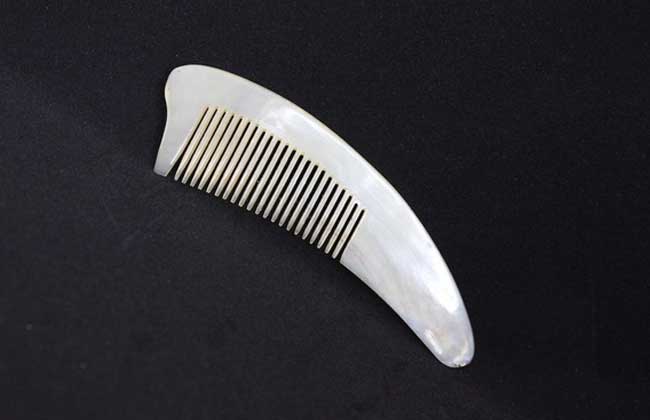
Cow horn combs are made from cow horn as the raw material, carefully handcrafted using traditional techniques. Common types on the market include yellow cow horn combs, white water buffalo horn combs, and black water buffalo horn combs. Yellow cow horn combs and white water buffalo horn combs have the best quality and effects, while black water buffalo horn combs are somewhat inferior in durability and health benefits, so they are also the cheapest. Let us take a look below at how much a cow horn comb costs!
How much does a cow horn comb cost?
A normal cow horn comb generally costs about 50 to 200 yuan each. For individually beautifully packaged cow horn combs, the price will be higher if used as a gift. In general, the price of a cow horn comb varies according to the material, size, craftsmanship, and brand, so there will be some differences in price. However, as cow horn is a relatively expensive material, the price of cow horn combs made from it is certainly very different from that of ordinary plastic combs. If the cow horn comb you buy costs around ten or so yuan, then there is a relatively high chance it is counterfeit or inferior.
What types of cow horn combs are there?
1. Water buffalo horn: Water buffalo horn combs are divided into natural white water buffalo horn combs and natural black water buffalo horn combs. Black water buffalo horn is more common, mostly black throughout, with a few having blue-black grain patterns. Natural white water buffalo horn is relatively rare and precious; white water buffalo horn combs are pale bluish-white throughout, with a few also having grain patterns.
2. Yellow cow horn: Yellow cow horn combs are not necessarily yellow; their color is mostly gradient. Yellow cow horn grows slowly, and generally only horn material over five years old can be used to make combs, so compared with other materials its grain is finer and more durable.
3. Yak horn: Yaks are divided into many kinds. White yak horn belongs to a nationally protected animal and cannot be made into combs. Among yak horn combs, most are made from spotted yak and black yak.
What are the benefits of cow horn combs?
1. Combing hair with a cow horn comb does not generate static electricity, so hair will not become messy, and it does not pick up dirt. The comb teeth scraping over the scalp also do not hurt.
2. Combing hair with a cow horn comb can massage the acupuncture points on the head, accelerate scalp blood circulation, and enhance immunity.
3. When the scalp itches, combing with a cow horn comb can effectively relieve the itch. It also has effects such as relaxing muscles and promoting blood circulation, calming the mind and strengthening the brain, removing dandruff, and protecting the hair.
4. Lightly touching the scalp with a cow horn comb in the morning and evening, combing and scraping several times, and keeping this up over the long term can dredge meridians and collaterals, prevent malnutrition of the hair, and avoid the occurrence of white hair, yellow hair, and hair loss.
How to identify genuine and fake cow horn combs
1. Texture comparison: A real cow horn comb is straight and smooth, with a surface as smooth as a mirror, without any flaws, and it has a crystal-clear feeling. It also looks fairly thick and solid, feels very good in the hand, and its color is very distinct. But the surface of a fake cow horn comb is very rough, its color is also very dull, and it lacks gloss. Some fakes also carry a lot of impurities and feel weightless in the hand.
2. Smell comparison: The reason a cow horn comb is called a cow horn comb is that it is made from cow horn, so a real cow horn comb has a very particular horn-like smell. If you blow a breath at the cow horn comb or rub it back and forth with your hand, then the distinctive fishy smell of horn will appear. But a fake cow horn comb usually smells of plastic, and after rubbing no fishy odor will appear.
3. Sink test: Genuine and fake cow horn combs can also be identified by a sink test. First prepare a clean container filled with water, then put the cow horn comb in. Because the density of a cow horn comb is greater than that of water, a real cow horn comb will sink, while a fake cow horn comb will float on the water surface.
4. Static electricity test: Rub the cow horn comb back and forth with cloth, then prepare some paper scraps, and bring the rubbed cow horn comb close to the paper scraps. If the cow horn comb does not attract the paper scraps, then it is a real cow horn comb. If it attracts the paper scraps, then it is a fake cow horn comb. This shows that a real cow horn comb does not generate static electricity.
5. Appearance comparison: The body of a real cow horn comb will have slight curvature. This is the natural arc unique to cattle and sheep horns, made along the natural shape of the cattle or sheep horn. Fake cow horn combs, however, have relatively uniform styles, because fake cow horn combs are all made by machine, while natural cow horn combs are each different.