How much does a sugar glider cost? Market price reference
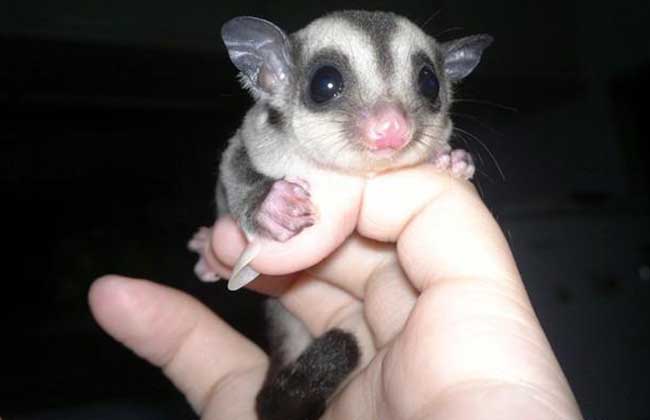
The sugar glider is a marsupial, also known as the Australian flying possum, sugar glider possum, etc. It is native to New Guinea and South Australia in Australia. It spends most of its time in trees, licking and eating tree sap. It is now kept as a pet. Because it is cute in appearance, fairly clingy, and can be carried around, it is called "little honey" and is popular all over the world. Let's take a look below at how much a sugar glider costs!
How much does a sugar glider cost?
In our country, sugar gliders still mainly rely on imports, so the price is still relatively expensive. The market price is about 3,000 yuan each. Below 3,000 yuan, you cannot buy one with relatively good appearance. Friends who like them can also visit pet stores more often; the number of this pet on the market is limited. Moreover, sugar gliders live in groups, so generally you need to buy two to keep them easily. If you keep only one, it may self-mutilate or refuse to eat. In that case, the price would be at least 6,000 yuan. Keepers who want to buy them need to be prepared.
What food do sugar gliders eat?
In the natural environment, sugar gliders prefer foods with a sweet taste, such as flowers, nectar, pollen, etc. They also eat tree buds, tree sap, leaves, and seeds, and insects are also one of their food sources. Under artificial breeding, in addition to supplying commercially available food, you can refer to their feeding habits in the natural environment and additionally provide the fruits and nectar and other sweet foods they like as a supplement to their food sources. Never feed ice-cold food, otherwise it can easily lead to death. Other foods include pineapple, peaches, strawberries, melon, papaya, apricots, pumpkin, fruit juice, blueberries, dried fruit, peanuts, raisins, pumpkin seeds, sunflower seeds, dried peas, almonds, etc.
Feeding notes for sugar gliders
1. The protein content fed to sugar gliders must not be less than 25%, and during the breeding period it is best to be higher than 50%.
2. When feeding sugar gliders, clean drinking water must be provided at all times.
3. When feeding sugar gliders, calcium, vitamins, and minerals must be supplemented frequently.
4. When feeding sugar gliders, give less food that is high in fat and high in sugar.
Care notes for keeping sugar gliders
1. Sugar gliders are very sensitive to insecticides, pine and fir wood shavings, toxic plants, direct strong light, and other animals.
2. The bottom grid of the sugar glider's cage must not be too large, and the spacing between cage wires is best between 1 and 1.2 cm.
3. In the sugar glider's cage, it is best not to use a nest with a round-hole opening, as it is easy for them to reject the owner. It is best to have two to three sleeping pouches made of good cotton cloth material. Do not use towel-type fabric, because the fibers may cause injury.
4. Eucalyptus branches must be placed in the sugar glider's cage, which helps prevent dental disease and maintain body health.
5. In the sugar glider's diet, 75% of the nutrition is vegetables and fruits, and 25% is other protein sources. Occasionally give some omnivorous food and vitamins and minerals.
6. For the bedding material of the sugar glider's nest, it is best not to use wood shavings. First, the volatile oils contained in some wood shavings can easily cause respiratory allergies in sugar gliders. Second, there is the occurrence of sugar gliders accidentally eating wood shavings, causing intestinal obstruction, which is very difficult to treat.
7. The milk powder that sugar gliders drink when young must be lactose-free milk powder. They are lactose intolerant and can easily get diarrhea.