How much does a macaw cost to buy?
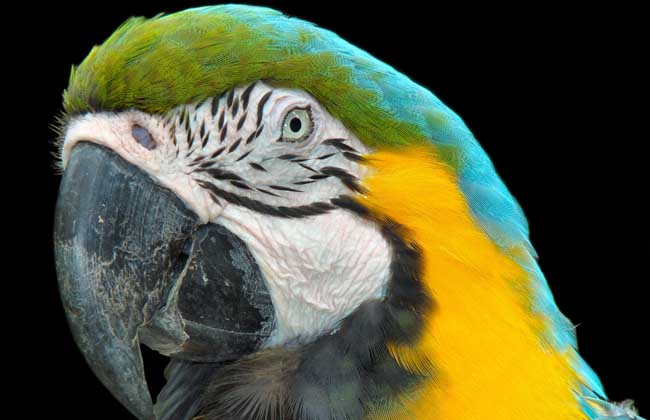
Macaws are the most brilliantly colored of the large parrots, with extremely long tails, large sickle-shaped beaks, and bare facial skin that can turn red when the bird is excited. They are also relatively strong at learning to talk and can be kept as pet birds for enjoyment. If you also like these large, beautiful macaws, then before preparing to keep one, the first thing you need to understand is how much a macaw costs.
How much do macaws cost?
The market price of macaws is relatively much more expensive than that of other parrots. Usually the blue-and-gold macaw is around 8000 to 10000 yuan, the red-and-green macaw is more than 15000 to 20000 yuan, and the scarlet macaw is around 30000. In addition, there is also the mini macaw (red-shouldered macaw), which is the smallest species among macaws, and it will not cost less than 5000 yuan at the very least. The above are only ordinary ones; if they can talk and perform tricks, the price is even higher!
How do you choose a good macaw?
1. Do not casually buy macaws of unknown origin. Many low-priced birds are often wild macaws captured in large numbers by commercial trappers. After long journeys and under the stress of hunger and dehydration, their bodies are quite weak. If you greedily try to save money and casually buy birds of unknown origin, you may end up losing both your money and the bird, with both the bird and your money gone. When choosing a macaw, you should choose a reputable and trustworthy bird shop or breeder to buy from. Choosing a parrot from a bird shop or breeder with a good rearing environment provides guarantees for the bird's health and quality.
2. When choosing a macaw, you should also carefully observe the bird's physical and mental state. If a macaw is listless, has dirty, messy, and puffed-up feathers, is sleepy and inactive, slow to respond, has abnormal growth or damage to the beak or feathers, cannot stand on both feet, has wings at different heights with an uneven appearance on the two sides, has vomit stuck near the beak, cannot open its eyes or has abnormal discharge from the eyes, has nostrils full of discharge or nasal fluid, has abnormal breathing sounds, has wounds that will not heal or abnormal bleeding, has feces stuck around the vent or near the tail feathers, has abnormal droppings that are all unformed, or is too thin or too fat, all of these indicate health problems. When purchasing, you need to pay attention to these details to avoid buying an unhealthy macaw.
3. On the contrary, choosers should select macaws that are energetic, full of vitality, vivid and captivating in body color, with soft and glossy feathers, a sturdy and strong body, quick responses, clear and bright eyes, and no abnormal discharge at the corners of the eyes. These can be regarded as healthy birds. When choosing, if you are unable to make an accurate judgment yourself, it is necessary to invite a pet bird expert to accompany you to ensure that you can select a healthy, high-quality macaw.
What kinds of macaws are there?
1. Blue-and-gold macaw: For ordinary keepers, the blue-and-gold macaw is interesting and full of entertainment value, and is therefore deservedly widely popular. However, the reason they are widely kept is often mistakenly thought to be that they are relatively ordinary, and they are frequently hybridized with other species. Perhaps, as the most common macaw, their temperament is indeed ideal, and they adapt easily to new living environments. Compared with other macaws, they are very friendly and easily blend into your family.
2. Red-and-green macaw: Do not be misled by its name. In fact, the red-and-green macaw is mainly scarlet red with only green bands on the wings. The red-and-green macaw is the most intelligent of all macaws, with a tendency to enjoy mischief and a very strong ability to learn quickly. Among different groups, it has outstanding social friendliness. In body shape, the red-and-green macaw is much larger than the blue-and-gold macaw and the scarlet macaw. In addition, the red-and-green macaw has two subspecies, one of which is as large as the hyacinth macaw!
3. Military macaw: The military macaw is one of the most underestimated parrot species. Its temperament and language ability are enough to rival the blue-and-gold macaw. It has an overall dull color tone, which perhaps makes it seem a bit less impressive in front of other members of its kind, but it is still very beautiful. Because the problem of bird smuggling always exists, the purchase of this type of bird is limited. It is smaller than the several species mentioned above, naturally gentle, and compared with other large macaws it is not considered active. In a new environment, they easily and quickly become friends with humans.
4. Red-breasted macaw: The red-breasted macaw has a cheerful voice and a mischievous temperament, and likes to eat nuts and corn. In the native United States and Bolivia, it mainly eats these two kinds of food. As a medium-sized macaw bird, they are about two feet long, yet one foot shorter than the larger members of the same kind, but their many advantages in personality are enough to make up for the gap in body size. Although they may not be as common as the blue-and-gold macaw and the scarlet macaw, birds available for keeping can still be found.
5. Scarlet macaw: In the scarlet macaw you will see the miracle that nature has created in color coordination. It can be listed among the ten most beautiful parrots in the world, and among the population it will be the quickest to win people's affection. As the most impressive macaw, the scarlet macaw is very sensitive to any improper rearing methods, so they are sometimes called "troublemakers," but if they grow up in a loving environment and have appropriate time out of the cage to play, they will be comparable to the blue-and-gold macaw. There are many kinds of scarlet macaws. The most unusual and most noteworthy kind is the one with emerald green and yellow patches on the wings. The number of wild scarlet macaws continues to decline, and they have now received widespread attention from tropical environmentalists.