What is the general market price of parrotfish?
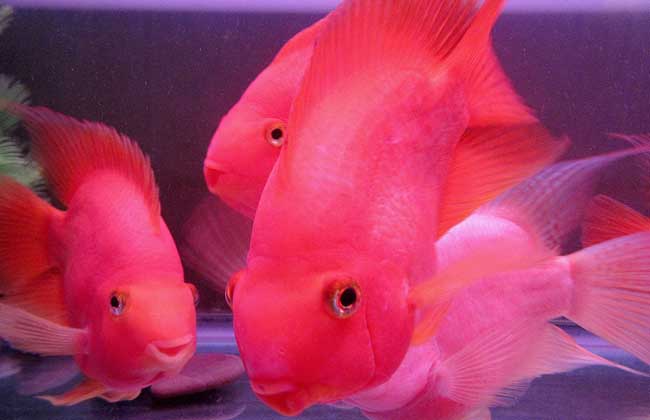
The parrotfish is a brightly colored tropical fish that lives among the coral reefs of tropical oceans. It has beautiful, gorgeous colors on its body, just like the colorful coat of a parrot, and is a fish with very high ornamental value. Common types include the king kong parrotfish, the blood parrotfish, and the red yuanbao parrotfish, and the price of each type of parrotfish also differs. Let us take a look below at the market price of parrotfish!
The market price of parrotfish
The market price of parrotfish is not high, generally ranging from just over ten to several tens of yuan, with few rare specimens costing several hundred to over a thousand. For ordinary types of parrotfish whose body size is about the same as a business card, the price of the red parrotfish is only around 15 to 20. Prices vary depending on the type, size and color; for example, the price of the red fortune blood parrotfish is over a hundred yuan.
How to keep parrotfish well
1. Water temperature: When parrotfish turn white or turn black, a large part of the reason is unsuitable water temperature. The parrotfish is one of the easier tropical fish to keep, with low demands on water temperature and strong adaptability, but it is especially sensitive to sudden changes in water temperature. The aquarium water temperature should be between 25-30°C, and it is best to maintain it at around 28°C; the parrotfish will then turn red and be full of vitality.
2. Feed: The parrotfish can be called the foodie of fishes. It eats live shrimp, bait, flakes and so on, but it must absolutely not be fed small river fish. Parrotfish are greedy and do not know when they are full, so feeding them small river fish will stuff them. In addition, the gills of parrotfish are very fragile, and small river fish also have a harmful effect on the gills. Feeding small river fish will also cause the parrotfish's body color to fade.
3. Light: Parrotfish are relatively sensitive to light. Keep 1-2 hours of strong light exposure each day, and then let them spend the rest of the day in a darker environment. You cannot rely on natural light alone; you should provide timed, measured lighting. However, the lighting time should not be too long, and after turning off the lights the aquarium environment should remain fairly dim. If the aquarium is in a room that does not face the sun, add two hours of light each day, and then turn off the lights. If the room has relatively sufficient light, then after the lighting period you should properly block the light in the room so that the aquarium stays in a dim state.
Notes on keeping parrotfish
1. Keeping the water fresh can ensure that the parrotfish does not fade. If no new water is added for more than 4 days, the parrotfish will lose color, so generally change the water once every three days, one quarter at a time. Under normal circumstances, parrotfish will become lighter in color during the first 2-3 hours after a water change, but they will quickly return to red.
2. Parrotfish are timid. Turn on the light before feeding. Five minutes after turning on the light, wait until all the fish have adapted and gradually become bolder, then feed them. Over time, the parrotfish will slowly get used to your feeding rhythm, and the next time the light comes on they will all gather together.
3. Feed once a day to form a routine. Before walking up to the aquarium, do not let your shadow sway across the aquarium and affect the parrotfish. Before feeding, stop in front of the aquarium for a moment and then put in the food.
4. If keeping them with large fish, you can prepare some pellet feed (dry shrimp is of course better) and put it in together with other bait. The pellet feed is relatively small, so the large fish cannot finish it all at once, and the parrotfish can snatch some. Parrotfish generally will not compete for food with other fish, so over time, without food, they will become listless and may even die. But do not keep them with small fish either, because after the parrotfish grow up they will swallow some small fish.