What are the effects and uses of Guifu Dihuang Wan
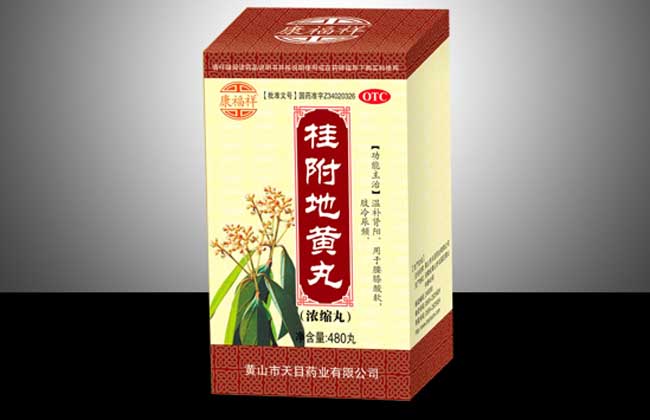
Guifu Dihuang Wan is a well-known traditional Chinese patent medicine name, a tonic formula, a black-brown water-honey pill, a dark-brown small honey pill or large honey pill, sweet with a sour and pungent taste. It has the effect of warming and tonifying kidney yang, and mainly treats insufficiency of kidney yang, soreness and cold of the waist and knees, edema of the limbs, difficult or excessive urination, phlegm-fluid retention with wheezing and cough, and wasting-thirst, and other conditions. Let us take a look below at the effects and uses of Guifu Dihuang Wan!
The effects and uses of Guifu Dihuang Wan
1. Warming and tonifying kidney yang: Guifu Dihuang Wan has the effect of warming and tonifying kidney yang. It can be used for insufficiency of kidney yang, soreness and cold of the waist and knees, edema of the limbs, difficult or excessive urination, phlegm-fluid retention with wheezing and cough, and wasting-thirst, and is also used for lower abdominal spasm and tension, soreness and weakness of the waist and legs, and a frequent sensation of cold in the lower half of the body belonging to kidney deficiency with weakened yang. It is also used to treat chronic bronchial asthma, chronic bronchitis and other diseases belonging to deficient wheezing or phlegm-fluid wheezing due to kidney deficiency and weakened yang, accompanied by cold pain in the waist and difficult urination.
2. Promoting water movement and transforming qi: Guifu Dihuang Wan has effects such as promoting water movement and transforming qi. It can not only treat insufficiency of kidney yang, edema of the limbs, increased nighttime urination and other conditions, but can also assist in the treatment of chronic nephritis, hematuria, proteinuria, renal hypertension, edema, as well as asthma syndrome, dyspnea syndrome, neurasthenia, chronic urinary tract infection, chronic glomerulonephritis, prostatic hypertrophy, edema, cataracts, chronic waist and leg pain, senile vaginitis, diabetes, senile urinary incontinence, infertility and other diseases.
Suitable and contraindicated uses of Guifu Dihuang Wan
1. Those with kidney yin deficiency: People with kidney yin deficiency have both heat signs such as fever and night sweats, dry mouth and throat, and deficiency signs such as dizziness and tinnitus, soreness and weakness of the waist and knees, insomnia and spermatorrhea. Liuwei Dihuang Wan, with its six drugs used together and three tonifying and three reducing actions, is suitable for patients with the above symptoms such as hypertension, hyperlipidemia, diabetes, and tumors during chemotherapy, but those with spleen and kidney yang deficiency must not take it.
2. Yin deficiency with hyperactive fire: Traditional Chinese medicine believes that yin deficiency generates internal fire. In addition to kidney yin deficiency signs, there also appear signs of deficient heat such as emaciation, reddening of both cheeks, and five-center heat. Zhibai Dihuang Wan is suitable for patients with this condition such as tuberculosis, menopausal syndrome, chronic pharyngitis, and nerve deafness, but those with yang deficiency cold signs or excess heat signs should not take it.
3. Lung and kidney yin deficiency: Those with lung yin deficiency develop symptoms such as dry cough with blood and afternoon tidal fever. Maiwei Dihuang Wan is used to treat patients with lung and kidney yin deficiency such as pulmonary tuberculosis, diabetes, and cor pulmonale, but patients with common cold should use it cautiously.
4. Yin deficiency and blood deficiency: People with yin deficiency and hyperactive fire, in addition to kidney yin deficiency signs, also develop blood heat signs such as bright red bleeding and irregular menstruation. Guishao Dihuang Wan is suitable for patients with yin deficiency and blood heat such as hypertension, neurasthenia, menstrual disorders, and functional uterine bleeding. Likewise, those with yang deficiency and blood cold signs should not use it.
5. Liver and kidney yin deficiency: Liver and kidney yin deficiency, in addition to kidney yin deficiency signs, also presents symptoms such as dizziness and blurred vision, deafness and blurred eyesight. Qiju Dihuang Wan is not only suitable for hypertension and hyperlipidemia, but is also used for patients with cataracts, optic nerve atrophy, and dry eye with liver and kidney yin deficiency symptoms, but it should be used cautiously for dizziness, blurred vision, and tinnitus caused by excess fire.
6. Yin depletion eye diseases: Suitable for eye diseases caused by liver and kidney yin depletion, such as optic neuritis, retinal macular degeneration, and keratoconjunctivitis sicca, but it should not be taken for eye diseases caused by upward disturbance of liver fire.
7. Insufficiency of kidney yang: Traditional Chinese medicine believes that when yang qi is depleted there must be signs of deficiency cold, with cold symptoms such as cold pain in the waist and knees, coughing and wheezing with edema, frequent urination and diarrhea. Guifu Dihuang Wan is the only traditional Chinese patent medicine in the Dihuang Wan series suitable for those with deficiency of both yin and yang, for example patients with kidney yin deficiency combined with kidney yang deficiency signs such as lumbar muscle strain, chronic bronchitis, and diabetic nephropathy edema, but it is contraindicated for those with yin deficiency generating internal heat.
Precautions for Guifu Dihuang Wan
1. Avoid foods that are difficult to digest.
2. Patients with common cold and fever should not take it.
3. During treatment, sexual activity should be moderated.
4. Not suitable for those with yin deficiency and internal heat.
5. Those with serious chronic diseases such as hypertension, heart disease, liver disease, diabetes, and kidney disease should take it under the guidance of a physician.
6. Children, pregnant women, and nursing women should take it under the guidance of a physician.
7. This product is best taken before meals or together with food.
8. If symptoms do not improve within 2 weeks of taking the medicine, one should go to the hospital for treatment.
9. It is prohibited for those allergic to this product, and it should be used cautiously by those with an allergic constitution.
10. Use is prohibited when the properties of this product have changed.
11. Children must use it under adult supervision.
12. Please keep this product out of the reach of children.
13. When taking this medicine, it is not advisable to take halloysite or its preparations at the same time.
14. If you are using other medicines, please consult a physician or pharmacist before using this product.