What side effects can occur from taking Fritillaria cirrhosa?
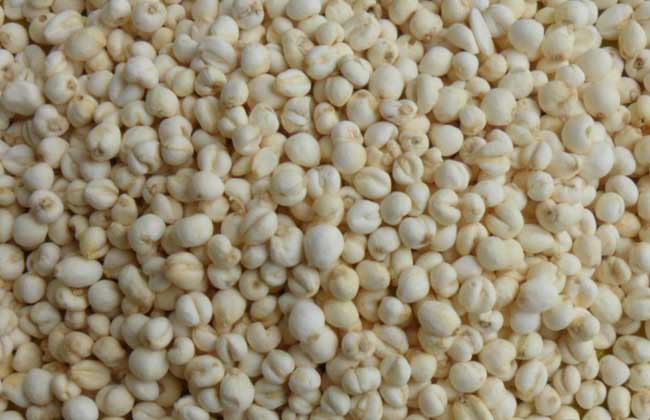
Fritillaria cirrhosa is a medicinal plant of the genus Fritillaria in the lily family, growing in temperate high mountain and plateau zones in mixed broadleaf-conifer forests, coniferous forests, and alpine scrub; according to differences in character it is customarily called Songbei, Qingbei, Lubei, and cultivated varieties. It is a precious Chinese medicinal herb for moistening the lungs and stopping cough, with a long history of use, outstanding curative effects, and fame at home and abroad. Now let us take a look at what side effects Fritillaria cirrhosa has!
What side effects does Fritillaria cirrhosa have?
From the perspective of toxic side effects, Fritillaria cirrhosa has no toxic side effects, but the concern is that the medicine may not match the syndrome. Because Fritillaria cirrhosa is a cooling medicine, its main functions are clearing heat and removing toxins, and resolving phlegm and stopping cough, and it is used for excess lung heat with phlegm-fire, so it must not be used by those with lung cold and white phlegm; used incorrectly it cannot cure the disease and instead worsens it. If the cough is of a cold nature, taking Fritillaria cirrhosa powder is like “adding frost to snow”, and is also very unsuitable. If the mouth is bland with no thirst, the throat itches, the cough occurs mainly at night, and the phlegm is thin and white, it must absolutely not be used, and a physician should be consulted promptly for diagnosis and treatment.
Medicinal contraindications of Fritillaria cirrhosa
1.
2.
Medicinal effects of Fritillaria cirrhosa
1. Dispersing nodules and eliminating abscesses: Fritillaria has the effect of dispersing nodules and eliminating abscesses. Whether Fritillaria cirrhosa or Fritillaria thunbergii, both have the effects of clearing heat and resolving phlegm, and dispersing nodules and eliminating abscesses, and can be used to treat scrofula often caused by phlegm-fire binding and stagnation, sores and ulcers and breast abscesses caused by accumulated heat toxin, as well as lung abscess with coughing of pus and blood and chest tightness and cough, with very good curative effects.
2. Clearing the lungs and resolving phlegm: Fritillaria cirrhosa is cold in nature and bitter in taste, and has the function of clearing the lungs and resolving phlegm. It can be used to treat chronic internal-injury cough, dry cough, and coughing of dry phlegm and hot phlegm, with quite good results. Fritillaria thunbergii is bitter in taste and has the effect of clearing and resolving hot phlegm and descending and discharging lung qi, and is mostly used to treat cough from externally contracted wind-heat and cough caused by phlegm-heat stagnating in the lungs.
3. Removing toxins and reducing swelling: Tubeimu is the dried tuber of the cucurbitaceous plant Bolbostemma paniculatum, bitter in nature and taste, and has the effects of removing toxins, dispersing nodules, and reducing swelling. It can be applied to treat breast abscess, scrofula, phlegm nodes, and other conditions, with very good curative effects.
Precautions for Fritillaria cirrhosa
1. During the period of taking Fritillaria cirrhosa, avoid eating overly greasy or spicy foods. In fact, even when not taking Fritillaria cirrhosa, when taking other herbal medicines one needs to keep the diet relatively light, because spicy or overly greasy foods will destroy the medicinal efficacy of the medicine.
2. Those with spleen-stomach deficiency cold and cold phlegm or damp phlegm should not take it, or should take it with caution. Because the medicinal effect of Fritillaria cirrhosa is slightly cold, people with cold spleen-stomach may experience more problems after eating Fritillaria cirrhosa.
3. Special groups such as pregnant women, children, and the elderly need to take Fritillaria cirrhosa under a doctor's guidance, so that it can be taken more safely, healthily, and with peace of mind.
4. Patients with bronchiectasis, lung abscess, cor pulmonale, pulmonary tuberculosis, or diabetes should take it under a physician's guidance.
5. People allergic to Fritillaria cirrhosa must not use it; if one has an allergic constitution, Fritillaria cirrhosa should be used with caution to avoid harming one's own body.