What are the effects and actions of the root of ramie
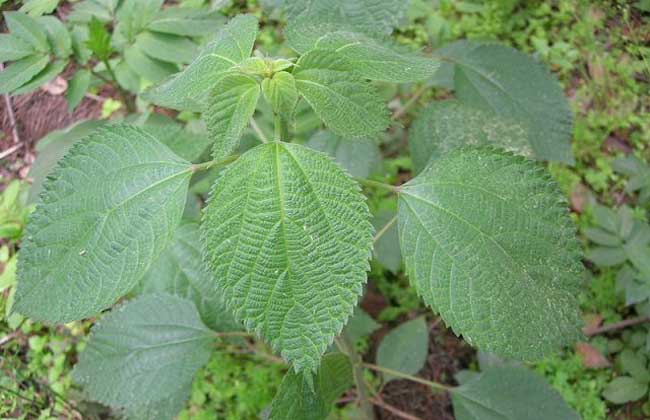
The root of ramie is also known as jiazhu ma, yema, baima, etc. It is the root of the plant ramie (Boehmeria nivea) in the nettle family, genus Boehmeria. Used as medicine, it has the effects of cooling the blood, stopping bleeding, calming the fetus, clearing heat, and removing toxins. It has a therapeutic effect on conditions such as colds with fever, high fever from measles, urinary tract infections, nephritis with edema, abdominal pain in pregnant women, restless fetal movement, threatened miscarriage, and traumatic injuries. Now let us take a look at the effects and actions of the root of ramie!
Medicinal effects of the root of ramie
[Nature and flavor] Sweet in flavor, cold in nature.
[Meridian entry] Heart and liver meridians.
[Effects] Cools the blood, stops bleeding, calms the fetus, clears heat, and removes toxins. It mainly treats colds with fever, high fever from measles, urinary tract infections, nephritis with edema, abdominal pain in pregnant women, restless fetal movement, threatened miscarriage, and traumatic injuries.
Related discussions on the root of ramie
1. "Bencao Jingshu": In "Bielu", it is used for red patches in children because its cold nature can cool the blood. Soaking ramie juice to treat thirst is due to its effect of removing heat. "Rihua Zi" uses it to treat heat in the heart and diaphragm, bleeding from a leaking fetus, restlessness of the heart before and after childbirth, epidemic febrile diseases, great thirst and mania, as well as covering toxic arrows and snake and insect bites. All of these are because its cold nature can relieve heat and cool the blood.
2. "Bencao Shu": Danxi said that it greatly nourishes yin and at the same time moves stagnant blood, so it is sufficient to tonify and move. Now, sweet and cold medicines can purge fire. Does this substance stop blood strangury and treat erysipelas, or does it enter the blood aspect and purge heat? But as for its especially effective action in calming the fetus and treating leaking blood, then its power to tonify yin and invigorate blood is again not something that can be discussed merely on a par with other substances that purge heat. Its harmonizing of blood lies in tonifying yin, and the reason it can both move and stop can be pondered."
3. "Bencao Zhengyi": White ramie is cold in nature. Ancient formulas often say that it mainly treats difficulty in urination, heat clumping of the five stranguries, and similar patterns, so it has the power to drain heat and promote free flow. This is why "Rihua Bencao" says it is sweet, cold, and slippery. Yet people in recent times insist on using it to calm the fetus, but in fact since it is both cold and slippery, it is certainly not suitable for those with restless fetal movement. Moreover, the root mainly moves downward, and is especially a prohibited item in pregnancy.
Pharmacological actions of the root of ramie
1. Hemostatic effect: Soaking artificial wounds at the tails of rats and mice with an extract of wild ramie can reduce the amount of bleeding and shorten bleeding time. Oral administration or intraperitoneal injection in mice also has the same effect. After intramuscular injection in rabbits, clotting time is shortened, but platelet count shows no obvious change.
2. Coagulant effect: The synthetic "hemagglutinic acid amine (caffeic acid diethylamine salt)", when injected intravenously into rabbits and intraperitoneally into mice, significantly shortens both clotting time and bleeding time. "Hemagglutinic acid amine" has no antifibrinolytic effect in test tubes.
3. Toxic side effects: The toxicity of "hemagglutinic acid amine" is extremely low. The median lethal dose for intraperitoneal injection in mice is 1583±80 mg/kg. Intravenous injection in rabbits has no effect on blood pressure or respiration. After continuous intravenous injection for 10 days, there were also no changes in electrocardiogram or liver and kidney function.
4. Other effects: The organic acid salts and alkaloids contained in the root of ramie have inhibitory effects in vitro on both Gram-positive and Gram-negative bacteria. Among them, hemolytic streptococcus, pneumococcus, Escherichia coli, and Bacillus anthracis are highly sensitive to the organic acid salts, while Salmonella is highly sensitive to the alkaloids.
Medicinal selected formulas for the root of ramie
1. To treat phlegm asthma and cough: Ramie root (charred while retaining its nature), grind into powder. Dip three to five qian in raw tofu and eat, and it is effective. If not fully cured, two or three slices of fatty pork may be dipped and eaten, which is very effective.
2. To treat difficulty in urination: Use ramie root and clam powder, half a liang each, and grind into powder. Take two qian per dose, swallowed on an empty stomach with freshly drawn water.
3. To treat five types of strangury: Two stems of ramie root, crushed. Use one and a half bowls of water, decoct to half a bowl, and take it all at once, and free flow is achieved, very effective.
4. To treat swelling and pain of the anus: Pound fresh ramie root into a paste and sit on it, which is good.
5. To treat prolapse of the rectum that does not return: Pound ramie root into a paste, decoct into a soup, and use for fumigation and washing.
6. To treat five-colored erysipelas: Boil ramie root into a thick juice and bathe with it three times a day.
Medication contraindications of the root of ramie
1. Those without excess heat should take the root of ramie cautiously.
2. Patients with weak stomach and diarrhea should not take the root of ramie, and those whose illnesses are not caused by blood heat should also not use the root of ramie.
Compatibility effects of the root of ramie
1. White cogongrass rhizome: Both have the effects of clearing heat, cooling blood, and draining dampness. When used together, their effects are more pronounced, and they are used to treat blood strangury and heat strangury caused by damp-heat.
2. Wild chrysanthemum: Both have detoxifying functions. When pounded together for external application, they can treat carbuncle swelling caused by heat toxin.
Clinical applications of the root of ramie
1. Blood-heat bleeding: The root of ramie is cold in nature and enters the blood aspect. Its function is to cool the blood and stop bleeding. For all bleeding patterns in which there is heat in the blood aspect and blood extravasates due to damage to the collaterals, it can be applied. If the amount of bleeding is small and the condition is relatively mild, this product may be used alone in decoction. If the condition is relatively severe, with incessant bleeding and signs of qi escaping with the blood, it should be used in combination with ginseng, clam powder, and the like, such as in Ramie Root Powder ("Shengji Zonglu").