What exactly are the effects and benefits of cumin?
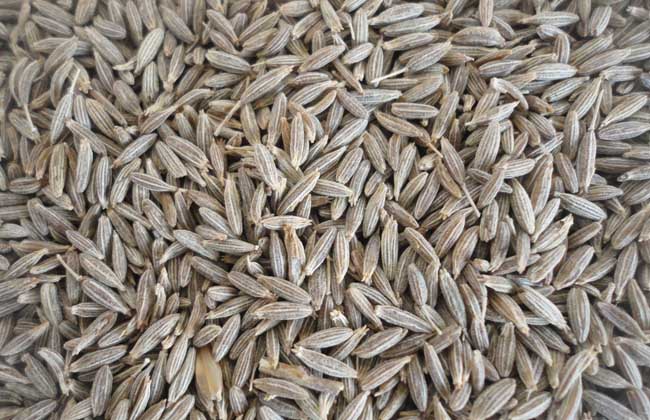
Cumin is also known as kummin, cumin celery, and maqinzi, among other names. It is the fruit of Cuminum cyminum, a plant in the genus Cuminum of the Apiaceae family. It is cultivated in ** and Taiwan, China. As a medicine, it has the effects of dispersing cold and relieving pain, and regulating qi and harmonizing the middle. It has therapeutic effects on cold pain in the epigastrium and abdomen, indigestion, cold hernia with bearing-down pain, irregular menstruation, and other conditions. Now let us take a look at the effects and benefits of cumin!
The medicinal value of cumin
[Nature and flavor] Pungent in flavor, warm in nature.
[Meridian entry] Liver, kidney, spleen, and stomach meridians.
[Effects] Disperses cold and relieves pain, regulates qi and harmonizes the middle. It mainly treats cold pain in the epigastrium and abdomen, indigestion, cold hernia with bearing-down pain, and irregular menstruation. Those with yin deficiency and hyperactive fire should take it with caution.
The medicinal effects of cumin
1. Removing rank odors and cutting greasiness: Cumin has a strong aroma. When eaten with beef, mutton, and other foods, it can remove rank odors and cut greasiness, and improve appetite.
2. Sterilizing and preserving: Cumin can inhibit the growth of certain microorganisms, thereby sterilizing and preserving food.
3. Refreshing the mind: Cumin has effects such as refreshing the mind and unblocking the meridians, reducing fire and calming the liver.
4. Stimulating appetite and promoting eating: Cumin has a strong flavor. Regular consumption can stimulate appetite and improve appetite, making it suitable for people with indigestion to eat more of.
Related discussions on cumin
1. "** Chinese Herbal Medicine": Disperses cold and removes dampness, regulates qi, stimulates appetite, and relieves pain. Treats indigestion and stomach cold with abdominal pain.
2. "** Medicinal Plant Records": Regulates qi and relieves pain, harmonizes the middle and stomach, moves blood stasis, and disperses wind-cold. Treats cold hernia, swollen and painful descending testicles, irregular menstruation, and stomach cold with abdominal pain.
3. "Taiwan, China Medicinal Plant Records": Strengthens the stomach and dispels wind. Treats diarrhea and gonorrhea. For external use, treats scorpion stings.
How to eat cumin
1. Cumin can be eaten raw or cooked. Generally speaking, aromatic cooked cumin is suitable for dipping food, while raw cumin is suitable for stir-frying and pan-frying or grilling, to avoid repeated high temperatures causing the aroma to disappear.
2. Cumin can be added in small amounts when stir-frying dishes such as shredded potatoes, green peppers, and tofu.
3. When cooking, you can use whole cumin seeds, grind them into half-whole half-broken pieces, or directly buy cumin powder.
4. Cumin seed powder has the effect of removing fishy odors and increasing aroma, and is also one of the ingredients for making curry powder and chili powder.
5. Europeans use the stems and leaves of cumin to make pickles.
6. After cumin meets oil or is heated at high temperature, its aroma becomes stronger and stronger. Therefore, in addition to barbecue, it is more suitable for cooking methods such as pan-frying, deep-frying, and stir-frying.
7. Cumin is hot in nature, so the amount used for seasoning should not be too much. 3 to 8 grams each time is sufficient.