What are the effects and functions of Tie Bao Jin? Explained clearly in one article
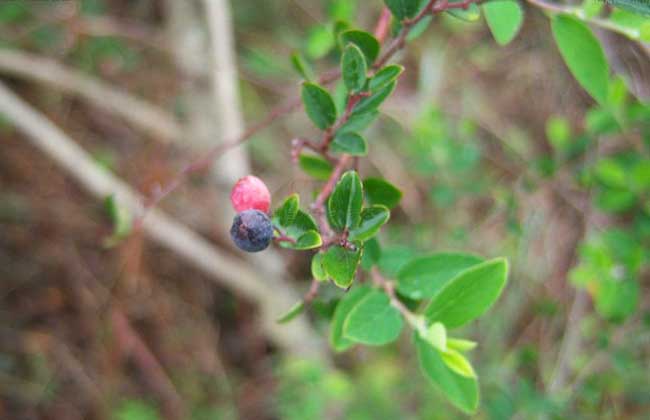
Tie Bao Jin, also known as Laoshucao, Shurutou, Wujinteng, etc., is a vine-like or low shrub plant of the genus Berchemia in the Rhamnaceae family. It is named because the cork hairs of the root are brown like iron and its xylem is yellow like gold. When used as medicine, it has effects such as reducing swelling and detoxifying, stopping bleeding and relieving pain, and dispelling wind and dampness. It has therapeutic effects on carbuncles, boils and pyogenic infections, cough with hemoptysis, gastrointestinal bleeding, and traumatic injuries. Let us take a look at the effects and functions of Tie Bao Jin below!
The medicinal effects of Tie Bao Jin
[Nature and flavor] Bitter in taste, slightly astringent, neutral in nature.
[Meridian entry] Heart and lung meridians.
[Effects] Reducing swelling and detoxifying, stopping bleeding and relieving pain, dispelling wind and dampness. Mainly treats carbuncles, boils and pyogenic infections, cough with hemoptysis, gastrointestinal bleeding, traumatic injuries, scalds and burns, rheumatic bone pain, and wind-fire toothache.
Medicinal discussions of Tie Bao Jin
1. "Lingnan Caoyao Lu": Relieves snake venom, treats malignant sores, applied after pounding; treats traumatic injuries, can set bones and relieve pain, treats intestinal colic pain, decocted in water and taken orally.
2. "Lingnan Herbal Records": Can resolve blood stasis, eliminate hemoptysis and coughing blood, and has the effect of (eliminating) dampness toxins and relieving pain.
3. "Hunan Materia Medica": Clears heat, suppresses cough and resolves phlegm, stops bleeding and relieves pain. Mainly treats pulmonary tuberculosis, stomach pain, scalds and burns.
4. "Fujian Materia Medica": Strengthens the kidneys and replenishes qi, dispels wind and promotes dampness removal, reduces swelling and detoxifies. Mainly treats wind-toxin migratory abscesses, pulmonary tuberculosis, diabetes, gastric ulcer, orchitis, spermatorrhea, rheumatic joint pain, soreness and pain of the waist and knees, traumatic injuries, lymphatic tuberculosis, urticaria, carbuncles and pyogenic swellings, multiple abscesses, and wind-fire toothache.
Clinical applications of Tie Bao Jin
1. Treating poor appetite in children: Take the whole herb of Tie Bao Jin (dried) and decoct in water for oral administration. For those over 6 years old, 2 liang per day; for 3 to 6 years old, 1.6 liang per day; for those under 3 years old, 1 liang per day. Take continuously for 3 to 5 days. Those with roundworms were given deworming medication. 126 cases were treated, with results showing marked effect in 98 cases (77.7%), improvement in 18 cases (14.2%), and no effect in 10 cases (8.1%).
2. Treating mental illness: Take 8 liang of Tie Bao Jin and 2 liang of hibiscus, decoct in water 3 times, combine the filtrates, concentrate over a gentle fire to 1 jin, add 1 liang of white sugar, and take in 3 divided doses with sweet fermented rice wine as a guiding agent. A total of 30 cases of manic-type and depressive-type mental illness were treated, with 70% showing significant effects, and no recurrence was observed after 3 to 6 months.
3. Treating chronic bronchitis: Take 2 liang of the stems and leaves of Tie Bao Jin, make into 100 milliliters of syrup, and take in 3 divided doses. Taking continuously for 15 days constitutes one course of treatment. 56 cases were treated: 24 cases were recently controlled, 17 cases showed marked effect, 13 cases improved, and 2 cases had no effect. In effective cases, the effects of stopping cough, resolving phlegm, and relieving asthma mostly appeared within 3 to 5 days. No toxic effects were observed during the course of treatment.
Medicinal selected prescriptions of Tie Bao Jin
1. Treating boils: 30 grams of Laoshucao, pounded into a paste, add a little salt flower, apply to the affected area, and also decoct 60 grams of white chrysanthemum and 5 grams of licorice for oral administration.
2. Treating testicular abscess: 15 to 30 grams of Laoshuer herb root, one duck egg. Decoct in half water and half wine for oral administration.
3. Treating external hemorrhoids: 30 grams of fresh Laoshuer herb root (washed, sliced), 1 section of pig tail root. Stew with an appropriate amount of water for oral administration.
4. Treating scalds and burns: An appropriate amount of Laoshucao, pounded into a paste, mixed with tea oil and applied externally to the affected area.
5. Treating traumatic swelling and pain: Fresh root bark of Guangzhi Gouercha, pounded into a paste for external application, or soaked in wine for external rubbing.
6. Treating rheumatic joint pain and erysipelas: 60 to 90 grams of Tie Bao Jin. Decoct in water and take with yellow wine.
7. Treating stomach duct pain: 30 grams of Tie Bao Jin, 15 grams of dried cycad flowers. Decoct in water for oral administration.
8. Treating nosebleeds, hemoptysis from pulmonary tuberculosis, and gastric bleeding: 30 grams of Tie Bao Jin, 15 grams each of bletilla and lily, 6 grams of peach kernel, 9 grams of white cogongrass rhizome. Decoct in water for oral administration.
9. Treating diabetes: 60 grams of Tie Bao Jin, 30 grams of Di'er Cao. Stew with rock sugar for oral administration.