What are the benefits and effects of Bifidobacteria?
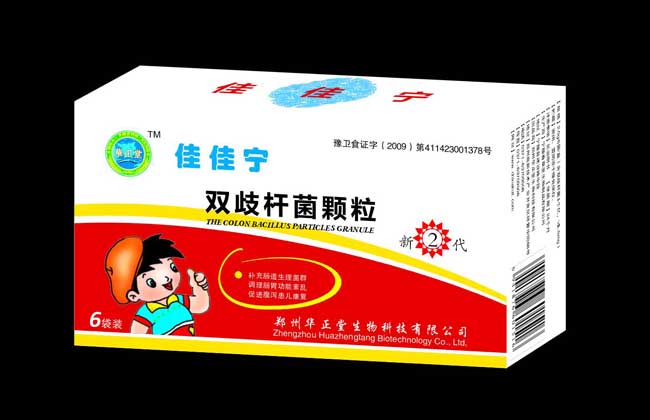
Bifidobacteria is an anaerobic Gram-positive bacillus isolated in 1899 by the French scholar Tissier from the feces of breastfed infants. The number distributed in the gastrointestinal tract decreases with age: in infants, Bifidobacteria account for 60 percent of the total intestinal flora, while in people over 60 years old, Bifidobacteria account for only 7.9 percent. Let us take a look below at what Bifidobacteria does!
The nutritional effects of Bifidobacteria
1. Promoting absorption: After fermenting in the human intestine, Bifidobacteria can produce lactic acid and acetic acid, which can improve the utilization of calcium, phosphorus and iron and promote the absorption of iron and vitamin D. Bifidobacteria ferment lactose to produce galactose, which is a component of cerebroside in the brain and nervous system and is closely related to the rapid growth of the brain after birth. Bifidobacteria can produce vitamin B1, B2, B6, B12 and alanine, valine, aspartic acid and threonine and other nutrients essential to the human body, and have an important nutritional effect on the human body that cannot be ignored.
2. Anti-aging effect: Microecological surveys in Europe, America and Japan show that the number of Bifidobacteria in the feces of long-lived elderly people is comparable to that of middle-aged and young people, and scientists in China reached the same result in a survey of long-lived elderly people in the Bama area of Guangxi. The reason Bifidobacteria resist aging is that Bifidobacteria can inhibit the growth of putrefactive bacteria and reduce the formation of harmful substances such as ammonia, hydrogen sulfide, indole and skatole in their metabolites.
3. Disease prevention effect: Bifidobacteria differ from general drugs. General drugs provide one-way treatment, for example lowering blood pressure, lowering blood lipids, treating diarrhea, treating constipation, and so on; their effect is one-way. The effect of Bifidobacteria, however, is two-way regulation: it can bring high levels down and also bring low levels up. Using Bifidobacteria preparations may treat diarrhea and constipation at the same time and restore the body to normal; this is the effect of regulation.
The pharmacological effects of Bifidobacteria
1. Treating chronic diarrhea: Bifidobacteria can treat chronic diarrhea. Clinical observational studies using Bifidobacteria on patients with chronic diarrhea show that after two weeks of medication, the patients' abnormal stool frequency and shape and clinical symptoms disappeared, with a total effective rate of 90.3% and a low recurrence rate. Many domestic hospitals have already made Bifidobacteria preparations the first-choice drug for treating chronic diarrhea.
2. Preventing and treating constipation: Bifidobacteria are mainly used for symptoms such as functional constipation. Functional constipation is generally closely related to intestinal flora imbalance, and the two are mostly cause and effect of each other. In particular, foreign bacteria (or transient bacteria) and other putrefactive bacteria in the intestine increase, producing corresponding toxic metabolites such as amines, phenols and indoles. By regulating the normal intestinal flora and restoring the balance of normal intestinal flora, the number of putrefactive bacteria is greatly reduced, and the absorption of their toxic metabolites is reduced, thereby alleviating constipation symptoms.
3. Preventing and treating tumor formation: Aflatoxin is a fungal toxin that often contaminates food and can induce liver cancer. Experimental results confirm the ability of Bifidobacteria to bind aflatoxin in the body. In addition, Bifidobacteria can bind with inducers such as nitrosamines or nitrosoguanidine, masking the active genes of mutagens or degrading the active genes of mutagens, thereby reducing their activity.
4. Protecting the human liver: Harmful bacteria in the human intestine produce and release toxins into the blood, causing severe damage to the liver. Bifidobacteria preparations can inhibit the number of toxin-producing harmful bacteria, thereby playing a good therapeutic role for liver patients. Bifidobacteria can also be used to treat hepatic coma and can inhibit hepatitis B virus and promote the conversion of both major and minor three-positive [hepatitis B markers] to negative.
5. Preventing and treating cardiovascular disease: The cholesterol content in human blood can lead to the occurrence of arteriosclerosis and hypertension. Beneficial bacteria such as Bifidobacteria can affect cholesterol metabolism, converting it into steroids that the human body cannot absorb and lowering the cholesterol concentration in the blood, thus having a certain preventive and therapeutic effect on hypertension and arteriosclerosis.
6. Improving lactose digestion: Milk is a good food for the elderly and infants, but a considerable proportion of Chinese people lack lactase and cannot break down the lactose in milk. After drinking milk, these people often experience gastrointestinal disorders, leading to gastrointestinal cramps, bloating or diarrhea, forcing this population to avoid drinking milk and thus giving up other important components in milk. Bifidobacteria can produce lactase during the fermentation of dairy products, helping patients digest lactose.
What does Bifidobacteria do?
1. Inhibiting pathogenic infection: A large amount of Bifidobacteria lives in the intestines of healthy people. The most typical example is breastfed infants, whose intestinal bacterial flora is 99% Bifidobacteria. Because Bifidobacteria can produce acetic acid and lactic acid, the pH value in the intestine tends toward strongly acidic, so it can inhibit the reproduction of pathogenic bacteria and prevent the human body from being infected. Breastfed infants have less diarrhea or enteritis and a lower mortality rate than formula-fed infants, and this is the reason.
2. Inhibiting intestinal putrefaction: When protein is decomposed by bad bacteria in the intestine, it forms putrefactive substances such as amines, ammonia, indole and hydrogen sulfide. After these substances are absorbed by the human body, they become the cause of various diseases such as constipation, diarrhea, cancer and hypertension, and accelerate the aging of the body. As mentioned above, the reason feces gives off an odor also lies in these putrefactive substances. If Bifidobacteria win the battle against bad bacteria, they can inhibit intestinal putrefaction.
3. Being able to produce vitamins: Inhibiting intestinal putrefaction cannot yet be considered the main function of Bifidobacteria. Bifidobacteria can indeed produce vitamin B1, B6, B12, K12, niacin and iodine and other elements. Some of these will be absorbed by the body and are of great benefit to the human body.