What are the benefits and effects of sun-dried ginseng
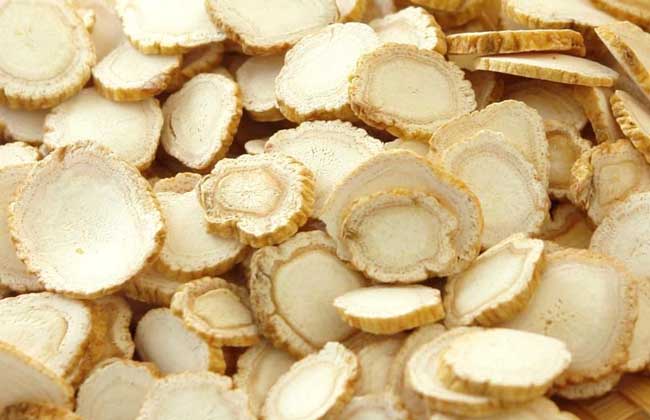
Sun-dried ginseng is ginseng made by cleaning fresh ginseng and drying it with drying equipment. It includes garden ginseng, mountain ginseng, understory ginseng, wild mountain ginseng, etc., and is divided into two major categories: hard branch and soft branch. Hard branch has full and plump pulp and heavy weight, and is dried at about 70 degrees; soft branch has insufficient pulp and wrinkled skin and light weight, and is dried in a ventilated and cool place or at low temperature. Now let us take a look at the benefits and effects of sun-dried ginseng!
The medicinal value of sun-dried ginseng
[Nature and flavor] Sweet in taste, slightly bitter, slightly warm in nature.
[Meridians entered] Lung and spleen meridians.
[Effects] Greatly tonifies original qi, benefits blood, nourishes the heart and calms the mind. It can regulate the nervous, cardiovascular and endocrine systems, improve mental and physical activity capacity and immune function, and enhance resistance to stress, fatigue, tumors, aging and radiation. It also benefits the heart and restores the pulse, calms the mind and promotes fluid production, and tonifies the lungs and strengthens the spleen. It is used for debility with impending collapse, shortness of breath and panting, spontaneous sweating and cold limbs, mental fatigue, poor appetite, vomiting and diarrhea, panting due to qi deficiency or chronic cough, thirst due to fluid depletion, insomnia and frequent dreaming, palpitations and forgetfulness, impotence, frequent urination, and all conditions of insufficiency of qi, blood and body fluids.
The medicinal effects of sun-dried ginseng
1. Greatly tonifies original qi: Sun-dried ginseng is suitable for those with collapse due to original qi deficiency, pale complexion, palpitations and restlessness, and uncontrollable spontaneous sweating, accompanied by cold sweating, cold limbs, and a faint, barely perceptible pulse.
2. Tonifies the spleen and benefits the lungs: Sun-dried ginseng can treat qi deficiency of the spleen and lungs. It is used for weakness of the spleen and stomach, fatigue and lack of strength, vomiting and diarrhea, insufficient lung qi, coughing and panting with lack of strength, and susceptibility to wind-cold.
3. Promotes fluid production and quenches thirst: Sun-dried ginseng is used for thirst due to fluid damage, thirst with fever and restlessness, sweating and bodily fatigue, and rapid but weak pulse, belonging to those with internal heat and insufficiency of qi and yin.
4. Calms the mind and increases intelligence: Sun-dried ginseng mainly treats restlessness of the mind and insomnia and forgetfulness caused by insufficiency of qi and blood.
Medicinal contraindications of sun-dried ginseng
1. Use with caution in cases of deficient heat and deficient activity; contraindicated in those with hyperactivity of liver and gallbladder; incompatible with Veratrum nigrum.
2. Do not use ginseng for cough, do not use ginseng for pain, do not use ginseng for colds, do not use ginseng for fever, and do not use ginseng during active bleeding.
3. Healthy children and adolescents may not eat sun-dried ginseng, but those with weak constitution and delayed development (including physical and intellectual) need to eat sun-dried ginseng. If healthy children take sun-dried ginseng and exceed the dosage, problems such as precocious puberty and nosebleeds may occur.
4. Do not drink tea while eating sun-dried ginseng. Tea leaves contain a large amount of tannic acid, which will destroy the active ingredients in American ginseng. You must wait 2 to 3 days after taking American ginseng before drinking tea. You also cannot eat radish. Radish disperses qi, while ginseng tonifies qi, and the two conflict.
Suitable groups for sun-dried ginseng
1. Suitable for insufficiency of spleen qi. Symptoms include fatigue and lack of strength, poor appetite, fullness and stuffiness in the upper abdomen, vomiting and diarrhea, etc.
2. People with a yin-deficient constitution.
3. Thirst due to fluid damage, and wasting-thirst.
4. Restlessness of the mind, insomnia and frequent dreaming, palpitations and forgetfulness, etc.
5. Patients with chronic diseases such as diabetes, cancer, hepatitis and nephritis.
How to consume sun-dried ginseng
1. Stewed chicken: Take 1 hen (black-bone chicken is better), remove feathers and internal organs, then slice 5 to 10 grams of ginseng and place it into the chicken cavity. Sew the belly opening closed and put it in a clay pot, add water and seasonings, and simmer over low heat until the meat is cooked and the soup is thick. Eat the chicken, drink the soup, and eat the ginseng, 1 to 2 times a week. It is suitable for those who are debilitated after long illness, have insufficient qi and blood, and are weak after childbirth, and it also has a good auxiliary therapeutic effect on various types of anemia.
2. Stewed and taken: Take 5 to 10 grams of ginseng, cut into thin slices, add 30 grams of crystal sugar and an appropriate amount of water, and stew until it boils. After the crystal sugar dissolves, drink the soup and eat the ginseng. It is suitable for those with depletion of original qi and postpartum dizziness due to blood loss. If there is severe depletion of original qi and sudden collapse of qi and blood requiring emergency rescue, take 30 to 60 grams of ginseng, decoct it thickly, and drink it in one dose.
3. Soaked in liquor: Choose 1 ginseng with intact roots and whiskers, immerse it in 500 grams of baijiu, then seal it and place it in a cool place, shaking it several times daily. Drink after half a month, 30 to 50 milliliters each time, 1 to 2 times daily. It is suitable for those with yang qi deficiency, constitutional deficiency, and chronic diseases.
4. Brewed as tea: Cut ginseng into thin slices and put them into a cup, 1 to 2 grams each time. Pour in boiling water, then cover the cup and steep for about 5 minutes. Drink it as tea until the medicinal flavor disappears, then chew and eat the ginseng residue.
5. Cooked as porridge: Slice 3 grams of ginseng, add water and stew until it boils, remove the residue and take the juice, add an appropriate amount of rice and clean water, and cook into a thin porridge. When hot, mix in an appropriate amount of honey or white sugar and eat, chewing the ginseng. Ginseng powder can also be stirred into the porridge and eaten, 1 dose daily. It can benefit qi and nourish blood, strengthen the spleen and open the appetite, and is suitable for patients with chronic gastrointestinal diseases with relatively poor digestive function and for the elderly and debilitated.
6. Steamed egg: Take 1 egg, remove the shell and put it in a bowl, add 1 to 2 grams of ginseng powder and an appropriate amount of clean water, season and mix well; or drill a small hole in the top of the egg, add the ginseng powder, mix well, seal the outside with wet paper, and steam until cooked before eating, 1 dose daily. It can tonify deficiency and support healthy qi, and strengthen the body, and is suitable for the recuperation of various chronic debilitating diseases.
7. Mixed as powder: Dry ginseng and grind it into powder, 1 to 2 grams each time, taken as above, or swallowed with warm boiled water. These two methods are suitable for various patterns of qi deficiency.