What are the benefits and effects of bistort? A detailed guide
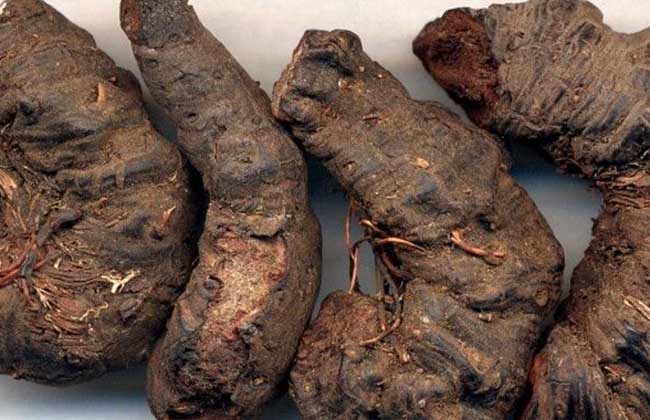
Bistort, also known as zishen, mumeng, xiashen and so on, is a perennial herbaceous plant of the genus Polygonum in the family Polygonaceae. Used as medicine, it has the effects of clearing heat, removing toxins, reducing swelling and stopping bleeding, and it treats conditions such as red dysentery with heat diarrhea, cough due to lung heat, carbuncles and scrofula, mouth and tongue sores, blood-heat vomiting and nosebleeds, hemorrhoid bleeding, and snake and insect bites. Now let us take a look together at the benefits and effects of bistort!
The medicinal benefits of bistort
[Nature and flavor] Bitter and astringent in taste, slightly cold in nature.
[Meridian entry] Lung, liver and large intestine meridians.
[Effects] Clearing heat, removing toxins, reducing swelling and stopping bleeding; mainly treats red dysentery with heat diarrhea, cough due to lung heat, carbuncles and scrofula, mouth and tongue sores, blood-heat vomiting and nosebleeds, hemorrhoid bleeding, and snake and insect bites.
Related discussions on bistort
1. "Modern Practical Chinese Medicine": Taken internally it treats red dysentery; used as a gargle it serves as an astringent for stomatitis; used externally it treats hemorrhoids and swellings.
2. "Guangxi Chinese Materia Medica": Treats damp-heat of the stomach and intestines, and red dysentery; used externally it treats mouth ulcers, carbuncles and burns. Among the people it is used as a blood-tonifying medicine after childbirth.
3. "Chinese Materia Medica": Clears heat and removes toxins, disperses nodules and reduces swelling. Treats febrile disease with convulsions, spasms of the hands and feet, tetanus, carbuncles and scrofula, and snake and insect bites.
Medicinal formulas containing bistort
1. Bistort Decoction: Treats prolonged cough due to yin deficiency, pulmonary tuberculosis and wheezing cough. Bistort 9 g, honey-prepared lily 9 g, sand root 6 g, honey-fried licorice 6 g, decocted in water. In the formula, bistort clears heat and removes toxins and astringes and drains dampness, serving as the chief drug.
2. Cold-fever-clearing granules: Treats upper respiratory tract infection, acute tonsillitis and pharyngitis; the main ingredients are dqingye, banlangen, bistort and forsythia. Taken dissolved in boiling water, 18-36 g per dose, 3 times a day. In the formula, bistort clears heat and removes toxins, astringes and drains dampness, and reduces swelling, serving as the chief drug.
3. Treating enteritis and red-white dysentery: Bistort 30 g, decocted in water. In the formula, bistort clears heat and removes toxins, astringes and drains dampness, reduces swelling and stops bleeding, serving as the chief drug.
New clinical uses of bistort
1. Treating pulmonary tuberculosis: Take bistort, wash it clean, dry it in the sun and crush it into powder, add starch and mix evenly, then press into 0.3 g tablets. Adults take 4-6 tablets each time, children reduced as appropriate. In treating 12 cases of pulmonary tuberculosis, 8 were cured, 3 improved and 1 was ineffective.
2. Treating chronic bronchitis: Use 1:1 bistort injection (each 1 ml containing 2.2-2.5 mg of zishen flavonoids) by intramuscular injection, 2 ml each time, twice a day, with 10 days as one course of treatment; 103 cases were treated with satisfactory results.
3. Treating nasopharyngeal carcinoma: Bistort 12 g, mint 3 g, angelica dahurica 6 g, wild chrysanthemum, raw schizonepeta, the benefits and effects of prunella vulgaris, cocklebur fruit and subprostrate sophora 9 g each, the benefits and effects of barbed skullcap 30 g, decocted in water, 1 dose a day. 20 days constitute one course of treatment.
4. Treating esophageal cancer: Bistort, honeysuckle, subprostrate sophora, oldenlandia diffusa, coix seed and phellodendron 2 parts each, citron 1 part, ground together into powder, made into pills with refined honey, each weighing 9 g, taken 3 times a day, 2 pills each time, dissolved in boiling water.