What are the benefits and effects of lotus rhizome nodes? Read this one article to understand
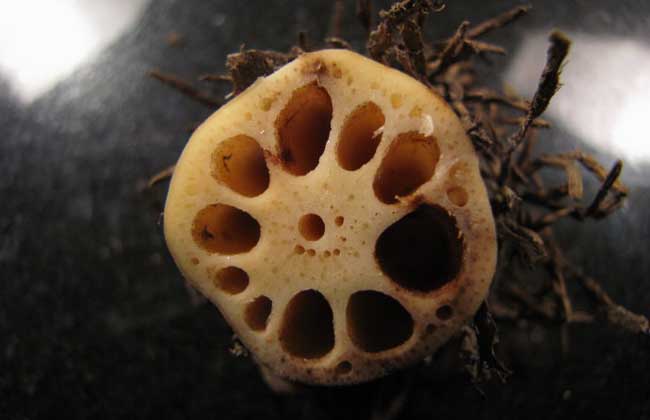
Lotus rhizome node, also known as Oujieba, Guangoujie, etc., is the dried rhizome node of the lotus (Nelumbo nucifera), a perennial aquatic herb of the genus Nelumbo in the family Nymphaeaceae. It is cultivated throughout northern and southern China. Used as medicine, it has the effects of astringing, stopping bleeding, and dissolving blood stasis, and has therapeutic effects on conditions such as hematemesis, hemoptysis, epistaxis, hematuria, and abnormal uterine bleeding. Let us now take a look at the benefits and effects of lotus rhizome nodes!
The medicinal effects of lotus rhizome nodes
[Nature and flavor] Sweet, astringent in flavor; neutral in nature.
[Meridian tropism] Liver, lung, and stomach meridians.
[Effects] Astringing, stopping bleeding, and dissolving blood stasis; mainly treats hematemesis, hemoptysis, epistaxis, hematuria, and abnormal uterine bleeding.
Related discussions on lotus rhizome nodes
1. "Compendium of Materia Medica": Disperses blood stasis, clears heat toxin.
2. "Bencao Qiuzhen": Lotus rhizome node is astringent in flavor. Together with raw rehmannia juice and human urine. It is good at stopping all bleeding conditions of hematemesis and epistaxis. Avoid iron.
3. "Bencao Congxin": Clears heat toxin, disperses blood stasis, treats postpartum blood stagnation.
Compatible applications of lotus rhizome nodes
1. For those with hemoptysis due to pulmonary tuberculosis, lotus rhizome node can be combined with bletilla striata to astringe the lung and stop bleeding.
2. If there is sudden violent hematemesis, lotus rhizome node can be used together with lotus leaf base to strengthen the effect of stopping bleeding.
3. For those with abnormal uterine bleeding of the deficiency-cold type, lotus rhizome node can be assisted with mugwort leaf, prepared ginger, etc., to warm the meridians and stop bleeding.
4. For hematuria due to blood heat, lotus rhizome node can be used together with small thistle, cattail pollen, and white grass root to cool the blood and stop bleeding.
5. For those with unceasing hematemesis and epistaxis due to blood heat, lotus rhizome node can be combined with raw rehmannia and large thistle to cool the blood and stop bleeding.
Medicinal selected formulas for lotus rhizome nodes
1. To treat blood stasis from falling off a horse, accumulated in the chest and abdomen, with countless spitting of blood: pound fresh lotus rhizome nodes into a paste, mix with wine, squeeze out the juice, and drink as much as desired.
2. To treat sudden violent hematemesis: seven lotus rhizome nodes and seven lotus leaf tops. Grind the above together with honey into a fine paste, add two cups of water, decoct to eight parts, remove the residue, and take warm. Or grind into powder and take mixed with honey.
3. To treat bleeding during defecation: dry lotus rhizome nodes in the sun and grind into powder; take 10 grams mixed with a decoction of ginseng and white honey, twice a day.
4. To treat unceasing nasal bleeding: pound lotus rhizome nodes into juice and drink, and also drip it into the nose.
5. To treat heat strangury with urination: equal parts fresh lotus rhizome node, rehmannia juice, and grape juice. Take half a cup each time, add honey, and take warm.
6. To treat red painful eyes due to heat: take one lotus root, with the node attached, fill its hollow spaces with mung beans, add several bowls of water, decoct to half a bowl, and eat together with the lotus root.
7. To treat cracked and chapped feet from frostbite: steam lotus rhizome nodes until cooked, pound into a paste, and apply.
8. To treat phlegm-heat in the upper burner: half a cup each of lotus rhizome node and pear juice, take mixed.
9. To treat wheat awns, dust, and other objects entering the eye and not coming out: take one section of lotus rhizome node, wash clean and pound into a paste, wrap it with silk cloth and place it over the eye, collect the juice, and let it fall into the eye.