Detailed Introduction to the Efficacy and Effects of Paclitaxel
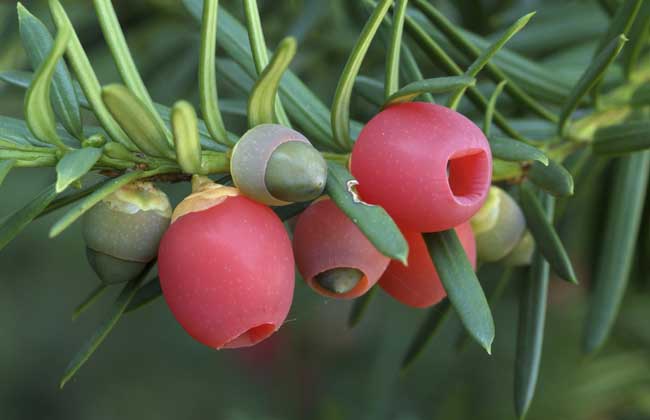
Paclitaxel, also known as Taxol, Zisu, Tesu and so on, is a new type of anti-cancer drug that has attracted much attention and become very popular in recent years. It is especially effective in treating ovarian cancer and breast cancer, and is a first-line drug for treating these two diseases. If combined with cisplatin, it can effectively fight lung cancer. Let us take a look at the efficacy and effects of paclitaxel below!
The Efficacy and Effects of Paclitaxel
Paclitaxel is mainly suitable for ovarian cancer and breast cancer, and also has a certain therapeutic effect on lung cancer, colorectal cancer, melanoma, head and neck cancer, lymphoma and brain tumors. Microtubules are a component of eukaryotic cells. Under normal circumstances, a dynamic equilibrium exists between microtubules and tubulin dimers. Paclitaxel can cause the two to lose this dynamic equilibrium, induce and promote tubulin polymerization, prevent depolymerization, and stabilize microtubules. These effects cause cells to be unable to form spindles and spindle fibers during mitosis, inhibiting cell division and proliferation, thereby exerting an anti-tumor effect.
Dosage and Administration of Paclitaxel
1. First ask the patient whether there is a history of allergy, and check the white blood cell and platelet counts. Those with a history of allergy and those with low white blood cells/platelets should use it with caution.
2. Paclitaxel can cause allergic reactions. Dexamethasone 20 mg should be taken 12 hours and 6 hours before administration, and diphenhydramine 50 mg orally and cimetidine 300 mg intravenously should be given 30-60 minutes before administration.
3. The usual dose of paclitaxel is 135-175 mg/sq m. The injection should first be added to 500-1000 ml of normal saline or 5% glucose solution. A glass bottle or non-polyethylene infusion set should be used, with a specially made rubber tube and a 0.22-micron microporous membrane filter.
4. After the start of infusion, blood pressure, heart rate and respiration should be measured once every 15 minutes, and attention should be paid to whether there are allergic reactions.
5. Paclitaxel is generally infused over 3 hours.
6. After paclitaxel injection, blood counts should be checked at least twice a week, and it may be repeated after 3-4 weeks depending on the situation.
7. Paclitaxel can be used in combination with cisplatin, carboplatin, ifosfamide, fluorouracil, doxorubicin, VP-16 and so on. When blood counts are low, G-CSF should be used, or paclitaxel plus G-CSF should be given preventively.
Adverse Reactions of Paclitaxel
1. Allergic reactions: the incidence rate is 39%, of which the incidence rate of severe allergic reactions is 2%. Most are type 1 allergic reactions, manifested as bronchospastic dyspnea, urticaria and hypotension. Almost all reactions occur within the first 10 minutes after medication.
2. Bone marrow suppression: this is the main dose-limiting toxicity, manifested as neutropenia, while thrombocytopenia is rare, generally occurring 8-10 days after medication. The incidence rate of severe neutropenia is 47%, and the incidence rate of severe thrombocytopenia is 5%. Anemia is relatively common.
3. Neurotoxicity: the incidence rate of peripheral neuropathy is 62%, the most common manifestations are mild numbness and paresthesia, and the incidence rate of severe neurotoxicity is 6%.
4. Cardiovascular toxicity: there may be hypotension and asymptomatic short-term bradycardia. Muscle and joint pain: the incidence rate is 55%, occurring in the joints of the limbs, and the incidence rate and severity are dose-dependent.
5. Gastrointestinal reactions: the incidence rates of nausea, vomiting, diarrhea and mucositis are 59%, 43% and 39% respectively, generally mild to moderate.
6. Liver toxicity: elevation of ALT, AST and AKP.
7. Hair loss: the incidence rate is 80%.
8. Local reactions: inflammation at the vein used for infusion and at the site of drug extravasation.
Precautions for Paclitaxel
1. Hematologic toxicity: this is the main factor limiting dose escalation. Generally, when white blood cells are below 1500/cubic mm, G-CSF should be used as adjuvant therapy, and when platelets are below 30000/mm, component blood transfusion should be given.
2. Allergic reactions: in addition to pretreatment, if there are only mild symptoms such as facial flushing, skin reactions, slightly rapid heart rate and slight decrease in blood pressure, the drug does not need to be stopped, but the infusion rate can be slowed down. However, if severe reactions occur such as low blood pressure, angioneurotic edema, dyspnea and generalized urticaria, the drug should be stopped and appropriate treatment should be given. Patients with severe allergies should not be treated with paclitaxel again next time.
3. Nervous system: the most common is numbness of the fingers and toes. About 4% of patients, especially at high doses, may develop obvious sensory and motor disturbances and reduced tendon reflexes. There have been individual reports of grand mal seizures during infusion.
4. Heart and blood vessels: transient tachycardia and hypotension are relatively common and generally do not require treatment. However, close observation should be carried out during the first hour of infusion; afterward, except for patients with severe conduction block, it is not necessary to observe once every hour.
5. Joints and muscles: about half of patients will feel joint and muscle pain 2-3 days after medication, related to the dose used. It generally recovers within a few days. In patients given G-CSF, muscle pain will worsen.
6. Hepatobiliary system: because most paclitaxel is excreted in bile, patients with hepatobiliary disease should be carefully observed. In data from thousands of cases, about 8% of patients had elevated bilirubin, 23% had elevated alkaline phosphatase, and 18% had elevated aspartate aminotransferase. However, there is currently no information showing that paclitaxel causes severe liver damage.