What are the benefits and effects of hibiscus flowers
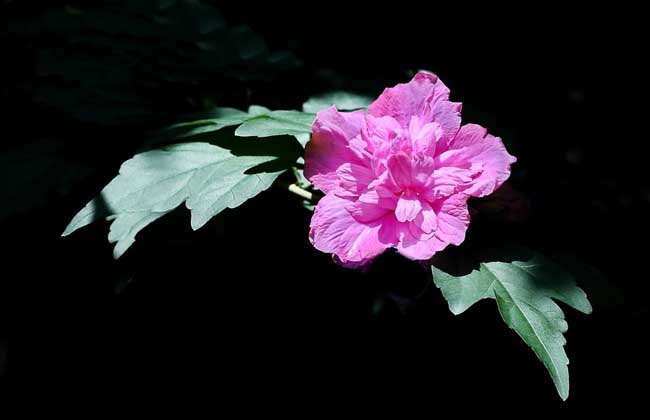
Hibiscus flower, also known as hedge flower, trumpet flower, white hibiscus flower, etc., is the flower of the hibiscus plant of the Malvaceae family, Hibiscus genus, distributed in the southeast and southwest of China. Used as medicine, it has the effects of clearing heat and draining dampness, cooling blood and removing toxins, and has therapeutic effects on intestinal wind with bloody stool, red and white dysentery, hemorrhoid bleeding, lung-heat cough, coughing blood, leukorrhea, sores, boils and carbuncles, and scalds. Let us take a look at the benefits and effects of hibiscus flowers together!
The medicinal effects of hibiscus flowers
[Nature and flavor] Sweet, bitter in flavor, cool in nature.
[Meridian entry] Spleen, lung, and liver meridians.
[Effects] Clearing heat and draining dampness, cooling blood and removing toxins; mainly treats intestinal wind with bloody stool, red and white dysentery, hemorrhoid bleeding, lung-heat cough, coughing blood, leukorrhea, sores, boils and carbuncles, and scalds.
The pharmacological effects of hibiscus flowers
1. Hibiscus flower has no obvious effect on pathogenic Escherichia coli and Shigella dysenteriae.
2. Hibiscus flower can kill insects and relieve itching; washing the hair and face with it can treat scalp itching.
3. Animal tests on hibiscus flowers prove that its pollen has a sensitizing effect.
Related discussions on hibiscus flowers
1. "Rihua Zi Bencao": Treats intestinal wind with bloody stool and red and white dysentery, and is roasted for medicinal use; made into a decoction as a substitute for tea, it treats wind.
2. "Gangmu": Reduces sores and swelling, promotes urination, and removes damp-heat.
3. "Bencao Huiyan": Can remove various heat; its lubricating and laxative properties can guide out accumulated stagnation, and it is good for treating red and white accumulative dysentery, dryness and obstruction with no passage, and a bearing-down sensation with the urge to defecate but no discharge; pound the juice and mix with raw white liquor and drink warm.
4. "Benjing Fengyuan": The red ones treat intestinal wind and bloody dysentery, the white ones treat leukorrhea and white dysentery.
5. "Jiangxi Chinese Materia Medica": Cooking white flowers together with mountain sparrow and eating them can stop nosebleeds.
Medicinal selected formulas for hibiscus flowers
1. To treat dysentery with inability to eat: remove the calyx from red hibiscus flowers, dry in the shade and grind into powder; first fry two flatbreads, dip them in the powder and eat.
2. To treat red and white dysentery: hibiscus flowers one liang (halved for children), decoct in water, mix with white honey three fen and take. For red dysentery use red flowers, for white dysentery use white flowers; avoid sour and cold foods.
3. To treat vomiting blood, passing blood, and red and white dysentery: hibiscus flowers nine to thirteen blossoms. Add an appropriate amount of boiling water and rock sugar and steep for half an hour, take before meals, twice a day.
4. To treat wind-phlegm congestion and counterflow: sun-dry hibiscus flowers, roast and grind, take one or two spoonfuls each time, swallowed with boiling water on an empty stomach; white flowers are especially good.
5. To treat regurgitation: thousand-petal white hibiscus flowers, dry in the shade and grind into powder, mix with aged rice soup and take for three to five days; if there is no improvement, then mix with rice drink and take again.
6. To treat leukorrhea in women: hibiscus flowers two qian, grind into powder, mix with human milk, steam over rice until cooked and eat.
7. To treat furuncles and boils: fresh hibiscus flowers an appropriate amount, a little sweet wine, pound into a paste and apply externally.