What are the rescue methods for strychnine poisoning?
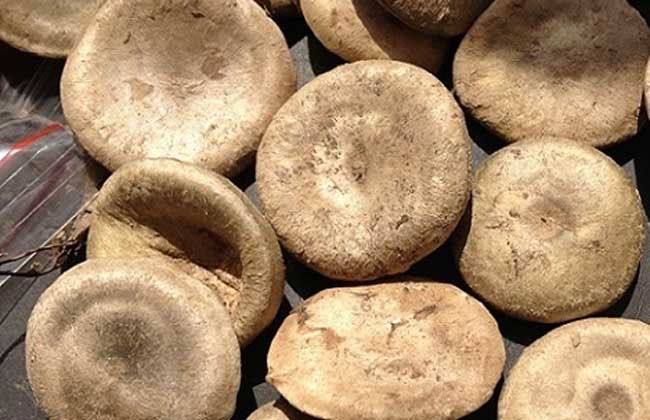
Strychnos nux-vomica is also known as fanmubie, crow's eye, and so on. It is the dried mature seed of the Loganiaceae plant Strychnos nux-vomica or Strychnos wallichiana, and it has the effects of freeing the collaterals and stopping pain, and dispersing nodules and reducing swelling. It mainly treats stubborn wind-damp impediment, numbness and paralysis, traumatic injuries, carbuncles and swollen painful sores, rheumatoid joint pain, and other conditions, but it is highly toxic, and improper use can easily cause poisoning. Let us take a look below at the rescue methods for strychnine poisoning!
The poisoning mechanism of strychnine
Strychnos nux-vomica mainly contains brucine (strychnine) and strychnine alkaloid, both of which are highly toxic, mainly causing neurotoxicity. Strychnine prevents cholinesterase from breaking down acetylcholine, and acetylcholine accumulates in the tissues, causing excitation of the entire central nervous system. A toxic dose of strychnine can cause transcendental inhibition of the cerebral cortex, markedly increased spinal reflex excitability, and special tonic spasms, often leading to death by suffocation due to tonic contraction of the respiratory muscles. In extremely large doses, strychnine alkaloid can block neuromuscular transmission and produce a curare-like effect.
The poisoning symptoms of strychnine
The early clinical poisoning symptoms and signs of strychnine include dizziness, lightheadedness, chest tightness, nausea, vomiting, generalized itching, pain, burning heat, abdominal pain, restlessness, slowed heartbeat, rising blood pressure, increased respiration, a cramping sensation in the masticatory muscles and neck muscles, difficulty swallowing, accelerated breathing, constricted pupils, and generalized tightness, followed by extreme simultaneous contraction of the extensor and flexor muscles (must be differentiated from tetanus), and then the typical symptoms of strychnine poisoning appear, progressing from clonic to tonic with an opisthotonus posture. Convulsive symptoms may last more than 10 minutes to several hours, and each episode may last from a few seconds to several minutes. Any stimulus can trigger another convulsion, and after the convulsion the muscles relax. In severe poisoning cases, bulbar paralysis may occur, and death may result from respiratory paralysis, suffocation, heart failure, or ventricular fibrillation.
The rescue of strychnine poisoning
1. Avoid stimulation: rest quietly in a dark room and avoid sound and light stimulation.
2. Protect the airway and control convulsions: immediately administer intravenous injections such as diazepam, phenobarbital, and phenytoin sodium to control convulsions, or use a retention enema with 10% chloral hydrate.
3. Reduce poison absorption and accelerate poison elimination: after convulsions are controlled and the airway is protected, for those who ingested the poison orally, gastric lavage with a gastric tube may be performed when indicated, and activated charcoal may be instilled after gastric lavage.
4. Muscle relaxation: for those whose spasms are difficult to control, muscle relaxants may be used on the basis of endotracheal intubation and artificial ventilation.
5. Symptomatic and supportive treatment: such as maintaining water and electrolyte balance, correcting acidosis, maintaining adequate urine output, and protecting renal function.
The prevention of strychnine poisoning
1. Strictly control the dose: when taking strychnine preparations, the strychnine content of a single dose should be controlled at about 6 mg, which is the key to avoiding poisoning.
2. It must be processed according to the law: oral strychnine must be processed. During processing, whether by sand scalding or oil frying, the heat must be well controlled. Over-frying or over-scalding reduces the medicinal effect, while under-processing leaves greater toxicity and easily causes poisoning after taking it.
3. Firmly grasp the method of use: when taken orally, strychnine must be based on syndrome differentiation as a prerequisite, and after lawful processing it is made into pills or powders for administration, strictly preventing misuse and abuse.
4. The dose for the first use should not be too large: because the optimal effective dose of strychnine is very close to the toxic dose, one should start with a small dose and increase gradually. If numbness of the tongue, tightness of the lips, mild headache, dizziness, or mild generalized muscle twitching occurs, the dose should be reduced immediately.
5. Time of administration: taking it before sleep can reduce side effects, but when getting up at night someone should provide support.
6. Toxicity reduction: decocting strychnine together with more than double the amount of licorice or sappanwood can reduce or alleviate the toxic effects of strychnine.
7. Correctly judge the therapeutic effect: some active ingredients of strychnine are themselves toxic components. For example, the strychnine alkaloid and brucine it contains are highly toxic, have a narrow safety range, and are rapidly absorbed orally. When the dose is gradually increased from small amounts, the therapeutic effect must appear first and then the toxic reaction occur, so this important link must be well controlled.
8. Pay attention to individual differences: individuals may differ in tolerance and reactivity to strychnine, and special attention should be paid when using the drug.
9. Reasonable compatibility of drugs: clinically this drug is mostly used in compound formulas. According to clinical observation, combining this drug with larger doses of white peony root, rehmannia, and the like can reduce its toxicity and decrease the occurrence of adverse reactions.
10. Be alert to the cumulative effect of the poison: strychnine is excreted slowly, so during long-term use one must be alert to its cumulative toxic effect. If long-term use is required, intermittent drug withdrawal may be considered.
11. Precautions for external use: strychnine for external use must also be processed; otherwise it is highly irritating to the skin and can very easily cause allergic reactions. When used externally, the dosage should also be controlled and must not be too large; otherwise there is also the possibility of causing strychnine poisoning.