These 7 flowers bloom more vigorously the more rain they get; move them outdoors on a rainy day and they bloom overnight
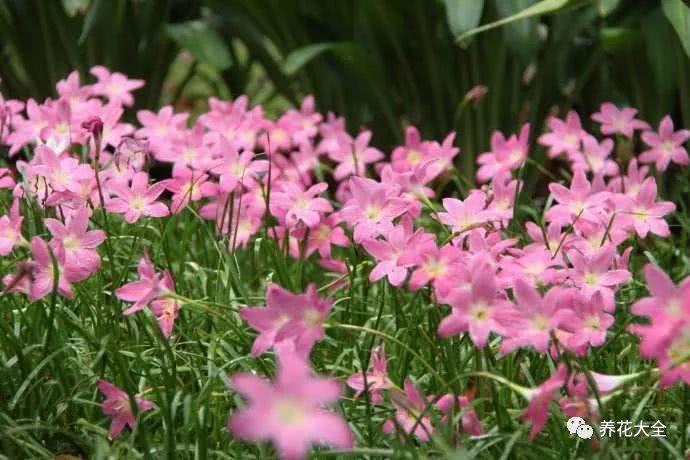
Recently, heavy rainfall has been hitting all parts of the country in waves, and the outdoor-grown flowers of many gardening friends have all been battered, with withered branches and fallen leaves everywhere! But there are just a few kinds of flowers that bloom better the more rain they get; when the wind and rain come together, that is the day they hold their heads high and burst into bloom! Today Huahua will introduce these flowers to everyone!
Rain lily (Zephyranthes)
The Complete Guide to Gardening
The rain lily (Zephyranthes) often suddenly bursts into bloom after heavy rain. Its leaves look like orchid grass, so it is called "wind-and-rain orchid," and because its flower shape resembles a lily, it is also called "rain lily."
Rain lilies are especially easy to grow; just give them rough, ordinary care at normal times, no meticulous attention needed.
Care key points
1. Soil: Rain lilies are not demanding about soil; when planted in the ground they will grow no matter what, and for potted plants the soil can be made by mixing sandy soil with leaf mold and garden soil.
2. Watering: There is no need to water on a fixed schedule; just watch the weather conditions and how wet or dry the potting soil is. In summer, water in the morning and evening, and simply keep the potting soil moist.
3. Light: It is best to place rain lilies in an environment with plenty of sunlight; as long as they are not exposed to harsh, scorching sun, they can get through summer safely.
4. Fertilizing: Fertilize sparingly in summer; applying a thin dose of compound fertilizer once every 2 months is enough.
5. Pruning: Rain lilies generally bloom until September. After the flowers fade, cut short all the spent flower stems and thin branches to prevent leggy growth.
Purple shamrock (Oxalis triangularis)
The Complete Guide to Gardening
Purple shamrock (Oxalis triangularis) likes a humid environment and has always grown vigorously during the plum rain season. Proper exposure to rain helps the growth and development of its flowers and leaves; as long as standing water is drained promptly, the flowering period can last as long as 8 months.
Care key points
1. Temperature: When summer temperatures exceed 35°C, purple shamrock will slowly enter a semi-dormant period, showing signs such as curled and dried-up leaves. At this time, ventilation must be strengthened and water sprayed to cool it down.
2. Watering: After it becomes semi-dormant, reduce watering and frequently spray the leaves, keeping the potting soil only slightly moist. After rain, drain off standing water to avoid root rot.
3. Light: Purple shamrock leaves have strong phototropism, so during growth the pot should often be turned so the plant shape is more attractive. But when the light is too strong, shade it to avoid sunscald.
4. Pruning: When the plant grows too vigorously and the leaves are too dense, be sure to prune it or simply cut off the top. This not only improves ventilation and reduces the occurrence of pests and diseases, but also lets it regrow leaves and makes the plant shape more attractive!
Cyrtanthus (fire lily)
The Complete Guide to Gardening
The delicate, petite cyrtanthus (fire lily) especially loves a humid environment. One gardening friend left cyrtanthus out in the plum rain for 2 months, and it was not damaged by the rain; instead, after some time, it bloomed another round of flowers!
Care key points
1. Soil: Fertile, loose, well-draining sandy soil, peat soil, or leaf mold all work.
2. Watering: Cyrtanthus does not like soil that is too dry. Except in winter, water diligently at other times to keep the soil moist.
3. Light: Cyrtanthus likes light; give it full sun in the morning and afternoon, and shade it appropriately at noon.
Lotus
The Complete Guide to Gardening
The lotus, as an aquatic plant, will not have its growth or blooming affected by proper exposure to rain. After the rain, the lotus is fresh and bright, clear and elegant, just as the saying goes, "a lotus rising from clear water."
Care key points
1. Soil: Lotus likes slightly acidic soil. Fertile river mud, pond mud, and paddy field mud are all natural slightly acidic soils suitable for lotus growth!
2. Light: Lotus is extremely intolerant of shade and needs full-sun management. With insufficient light, it is prone to disease, and the flowers will gradually close.
3. Watering: Summer is the vigorous growth period for lotus, and potted lotus must never lack water. As soon as you see it wilting, water it right away. Note: let tap water sit for a day or two before using it.
4. Fertilizing: Lotus likes fertilizer. In summer, during vigorous growth, apply once a week a top dressing of rotted cake fertilizer water or diluted liquid compound fertilizer during the flowering period. If the soil itself is fertile enough, no fertilizing is needed all year.
Copper coin grass (Hydrocotyle vulgaris)
The Complete Guide to Gardening
Copper coin grass (Hydrocotyle vulgaris) is robust by nature, amphibious, and best withstands wind, sun, and rain. Grown in a water vat in summer, it fills the pot within a couple of days, round and plump and green and glossy; just looking at it lifts your mood.
Care key points
1. Soil: Copper coin grass is not demanding about soil; loose, breathable, well-draining soil is enough.
2. Watering: Summer temperatures are high and copper coin grass has many leaves, so water is easily lost. Water once each morning and evening, and also spray water often to keep it moist and cool.
3. Light: Copper coin grass likes light; ensure 4~6 hours of light each day.
4. Fertilizing: During the vigorous growth period, apply a top dressing of thin liquid nitrogen fertilizer once every 2~3 weeks; use light fertilizer and apply often.
Maidenhair fern
The Complete Guide to Gardening
The maidenhair fern is originally a wild fern grass, mostly growing in dark, damp environments. After rain, its growth speed increases, and it is especially suitable for rooms with poor lighting.
Care key points
1. Soil: Calcareous soil or leaf mold mixed with river sand is relatively suitable for the growth of maidenhair fern.
2. Watering: Maidenhair fern likes water; water it 1~2 times every day, or the leaves will shrivel if it lacks water.
3. Light: Maidenhair fern suits a semi-shaded environment. In summer, it is best placed on a north windowsill, and outdoors it needs shading.
4. Fertilizing: Apply thin liquid fertilizer 2-3 times a month. When fertilizing, do not splash the leaf surface, to avoid causing leaf rot. You can also add some crushed eggshell to the potting soil to supplement the calcium the plant needs for growth.
Mint
The Complete Guide to Gardening
Mint has extremely tenacious vitality. Because it likes light and moisture, it is very tolerant of sun and rain. In summer, put it on a south-facing balcony and give it plenty of water and it will fill the pot.
Care key points
1. Soil: Ordinary garden soil, humus soil, and sandy loam all work.
2. Watering: In summer, be sure to water enough, once each morning and evening, keeping the potting soil moist. Be careful not to let water stand, to avoid root rot.
3. Light: Mint is a long-day plant; even direct light will not scorch it. On the contrary, with insufficient light, the leaves will become dull and wither.
4. Pinching: Mint grows vigorously in summer, and you must pinch the tips often for it to fill the pot.
Gardening friends,
What other flowers do you know that are not afraid of rain?
Leave a comment and recommend them to everyone!
?