1 jin of grapes makes 8 liang of wine; the wine she makes is so fragrant it gets snatched up the moment the lid is opened
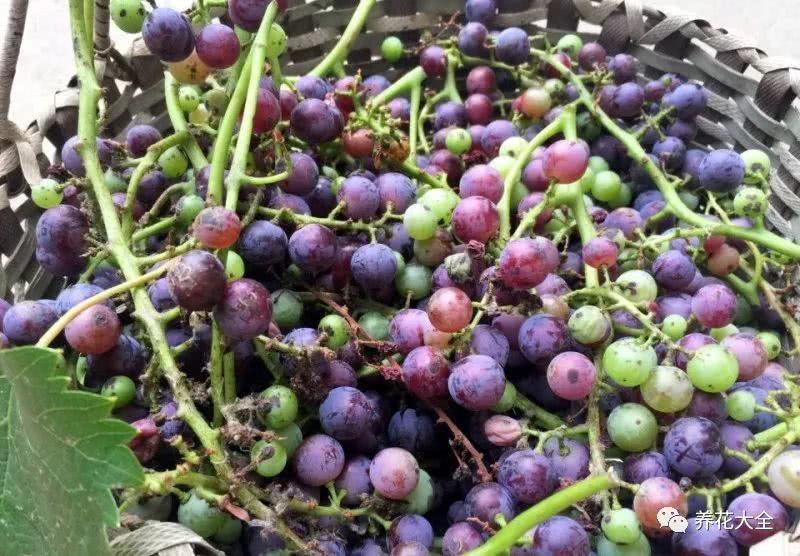
Grapes have long been on the market, and Huahua always sees crowds of people buying them as if they were free - Kyoho, Muscat Hamburg... buying them by the tens of jin to take home. Only after asking a neighbor did she find out it was for winemaking. It just so happened that the neighbor had also brewed a few jars, so Huahua quickly tried to pick up a few tricks to share with everyone. Take a look!
How to choose grapes
The Complete Guide to Growing Flowers
1. Choose ripe grapes with high sweetness
There are many grape varieties on the market. Winemaking is not picky about varieties; just choose well-ripened grapes, which speeds up fermentation and gives higher sweetness.
2. Grapes with special flavors
The ones sold around us are mostly Kyoho grapes - large, thin-skinned, fleshy, and full of juice - and they are most people's first choice for making wine.
There are also some aromatic grapes, such as Muscat Hamburg: it has a rose fragrance, is relatively small, has slightly thicker skin, and produces a brightly colored wine after brewing. It is also very popular!
Of course, if your home is near a vineyard, you can also choose Cabernet Sauvignon or Merlot grapes used for professional red wine production; these grapes have a richer fruity flavor~
Steps for making wine
The Complete Guide to Growing Flowers
1. Select good grapes
1 jin of grapes can yield 6-8 liang of wine. First-timers can buy 5-10 jin to practice. Before buying, taste the sweetness - be sure to buy grapes that are high in sweetness and not astringent.
2. Wash the grapes with salt water
Soak the grapes in salt water (3% concentration) for 10-15 minutes; the main purpose is to disinfect and sterilize. The white film on the grape skins does not need to be rubbed off - fermenting with the white film is faster and better. After soaking in salt water, rinse 1-2 times with clean water, and remove any bad grapes at the same time.
3. Remove the grapes and dry them
Grapes on the bunch are not easy to dry, so remove them first. Friends, do not be lazy~ Use scissors or a small knife to cut them off; do not pull them off directly, as that easily creates openings where bacteria can grow.
After removing them, spread them on a sieve to dry. They must be dried completely, with no raw water left on them!
If you have enough space at home, you can spread them flat to dry. Do not expose them to strong sunlight; keep the moisture!
4. Add white sugar and crush the grapes
Here Huahua has 10 jin of grapes and plans to add 3 jin of white sugar (medium sweetness). Add it in 3 batches while crushing, so the grapes release juice more easily. Just wash your hands and crush by hand; those who are particular about cleanliness can wear disposable gloves.
It is best to call your family to crush them together - many hands make light work. That is Huahua's experience talking!
5. Put the crushed mixture into a large container
The container here is a specially bought glass jar that has already been scalded with hot water for sterilization. The container you use for making wine must be sterilized. Do not fill it too full when loading; leave some space for fermentation.
6. Wait quietly for fermentation
After putting it in the container and sealing it, place it in a cool place at home, away from sunlight, and do not open the lid out of curiosity, because we already added sugar during the crushing process, so there is no need to stir later. The whole fermentation process takes about 20 days.
After about 1 week, the wine begins to separate into liquid and solids - a good sign. Wait another 2 weeks and it is done!
7. Filter
The longer the wine ferments, the stronger the alcohol taste. Huahua does not like it too strong, so she opened the lid and filtered out the residue at 22 days, using two layers of a strainer and gauze~
The rest would not fit, so she put it into drink bottles saved from daily use; it can be drunk at any time~
8. Storage
Homemade wine has no chemical additives, so storage must be done well. For everyday drinking, divide it into several small bottles. If you want to keep it until the New Year, it is best to store it separately, do not open it, and just keep it in a cool, ventilated place at home~
The winemaking method above
Have you learned it
Hurry and save it
You can use it every year~
?